Hindi
Hindi cinema’s grandmaster Bhansali gets a new patron

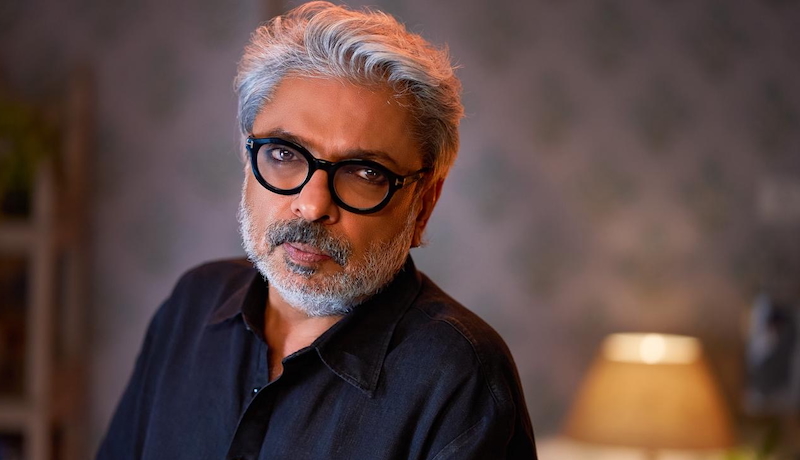
MUMBAI: In a marriage of melody and melodrama, Saregama India has splashed Rs 325 crore on Bhansali Productions, backing one of Hindi cinema’s most lavish auteurs with the kind of cheque that would make even his on-screen maharajas blush.
The deal, announced on December 16th, pairs India’s oldest music label with Sanjay Leela Bhansali, the director who never met a chandelier he didn’t want to film in slow motion. It’s a shrewd play: Saregama secures exclusive rights to all future film music from Bhansali Productions, eliminating the need to duke it out in bidding wars whilst the maestro gets the financial muscle to expand his slate of grandiloquent epics.
For a studio that delivered Rs 304 crore in revenue and Rs 45 crore in profit last year—up from a paltry Rs 5.52 crore in FY24—the timing couldn’t be better. Bhansali Productions is on a roll, with over ten films planned for the next three years, including Love and War, starring Ranbir Kapoor, Alia Bhatt and Vicky Kaushal, and Do Deewane Shehar Mein, a romantic drama featuring Siddhant Chaturvedi and Mrunal Thakur.
Saregama’s initial outlay buys it 9,960 compulsory convertible preference shares, with options to increase its stake to 28 per cent by 2028 and potentially 51 per cent by 2030. The investment, expected to boost earnings per share by FY27, marks a strategic pivot for Saregama, which plans to wind down its own film production over the next two years in favour of such partnerships.
Saregama vice chairperson Avarna Jain called it an alignment with “India’s finest creative minds”. Bhansali, known for films like Padmaavat, Bajirao Mastani and Netflix’s Heeramandi, said the firm has found a partner who understands that “powerful cinema requires time, trust, and deep respect for the process”. Translation: the sets will remain enormous, the costumes extravagant, and the songs suitably stirring.
Kotak Investment Banking advised on the transaction, which brings together content and commerce in a way that’s part pragmatism, part spectacle—much like a Bhansali film itself. If it works, Saregama will have locked in a pipeline of premium music whilst bankrolling Bollywood royalty. If it doesn’t, well, at least the soundtrack will be magnificent.