News Headline
GUEST COLUMN: 2025 forced FMCG brands to make sharper choices


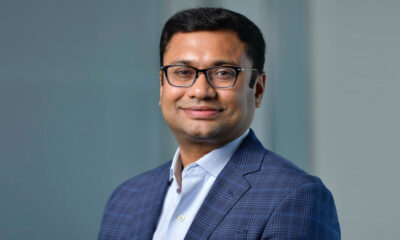
RAIPUR: If 2024 was about stabilising the business, 2025 became the year FMCG brands paused, rethought, and recalibrated, says Akash Agrawalla, Co-founder of ZOFF Foods. In this piece, he examines how brands navigated shifting consumer behavior, rising costs, and evolving media dynamics, highlighting trends in health-conscious consumption, smarter marketing spends, and product innovation. He also explores how companies are building trust, engaging audiences, and preparing for growth in 2026.
FMCG 2025: year ender
If 2024 was about stabilising the business, 2025 became the year FMCG brands paused, rethought, and recalibrated. Brands reviewed their value propositions, tightened distribution strategies, and became far more careful about where they spent their marketing budgets. With uneven consumer demand, fluctuating input costs, and changing media dynamics, FMCG companies focused on balance, cutting excess while still investing where it mattered.
Key trends that shaped FMCG in 2025
If the goal of 2024 was to stabilize the business, FMCG brands halted, reconsidered, and recalibrated in 2025. Companies tightened their distribution plans, examined their value propositions, and became much more frugal with their marketing expenses. Due to variable input costs, shifting media dynamics, and uneven consumer demand, FMCG companies concentrated on striking a balance between eliminating excess and making necessary investments.

Consumption sentiment: healthier, more conscious choices
Consumer sentiment in 2025 reflected a structural shift towards healthier and more mindful consumption, shaped by post-COVID behaviour changes. Rather than cutting back, consumers became more selective, actively choosing products that supported health, wellness, and long-term value.
Spending increasingly moved towards better-for-you foods, clean-label products, functional nutrition, and trusted brands. Households showed a willingness to invest in quality, especially in categories linked to immunity, everyday wellness, and convenience without compromise. This shift was visible across urban markets and gradually extended into smaller towns.
Festive and high-consumption periods reinforced this trend, with consumers prioritising health-led indulgence over excess. Value was no longer just about price, but about benefits, ingredients, and brand credibility.
For FMCG brands, this change created an opportunity to build deeper trust through honest communication and product-led storytelling. Brands that focused on transparency, functional benefits, and everyday wellness were able to stay relevant and strengthen consumer loyalty in a more health-conscious marketplace.
Major challenges FMCG brands faced
Cost management remained an ongoing focus for FMCG companies in 2025. While some input costs eased, price fluctuations continued to affect planning and margin stability. Brands had to strike a balance between maintaining profitability and keeping products accessible to consumers.
The complexity of distribution grew across channels. The importance of general trade persisted, necessitating more operational effectiveness and maintenance. Tighter inventory control and specified commercial conditions were required by modern trade and e-commerce channels. While adoption in rural regions remained low, quick commerce grew quickly in metropolitan markets, maintaining the relevance of old distribution strategies for broader reach.
Regulation around labelling, health claims, and sustainability intensified, forcing marketers to align consumer-facing communication more closely with actual product attributes.
Competition also sharpened. Alongside established FMCG players, digital-first and local brands gained share by reacting faster to consumer preferences and engaging more effectively with niche audiences.
What worked in 2025
In 2025, small, well-thought-out innovations outperformed big launches. New flavours, improved formulations, and convenience-driven formats worked better than entirely new categories. Ready-to-cook formats got a meaningful boost.
In communication, simple and relevant messages stood out. Campaigns focused on everyday problems, specific occasions, or clear benefits resonated more strongly. Health, hygiene, trust, and daily usefulness remained powerful themes. Social media-led, trend-driven campaigns, such as the Sorry campaign, helped brands engage audiences more organically.
Brands that localised communication by region, language, and culture saw higher engagement, particularly beyond metros. Purpose-led messaging worked best when it was closely tied to the product, not abstract positioning.
FMCG advertising spend (AdEx): more focus, better returns
FMCG remained among the largest advertisers in 2025, but ad spends grew at a slower, more controlled pace. Marketing budgets came under closer scrutiny, with ROI becoming a leadership-level priority.
Television continued to play a major role during festive periods and large events. Digital spends, however, became more performance-driven, especially effective for startups. Retail media, influencer marketing, quick-commerce platforms, and targeted digital campaigns gained importance as brands sought more personal consumer connections.
There was a clear shift towards optimising media mixes, rather than spreading budgets thin. Consistency and targeting mattered more than sheer reach.
Outlook for 2026
Looking ahead to 2026, demand recovery, particularly in rural India, will be closely watched. Brands will need to balance premium offerings with affordability, while expanding healthier alternatives. Those that offer a clear progression from entry-level to premium, without losing their core identity, are likely to perform better.
Marketing teams will increasingly rely on data-led decision-making, sharper consumer insights, and media performance tracking. Sustainability will move from a messaging tool to a core business imperative.
If 2025 was about recalibration, 2026 could be about renewed confidence. But success will belong to FMCG brands that stay agile, understand consumers deeply, innovate with purpose, and communicate with honesty.
Note: The views expressed in this article are solely the author’s and do not necessarily reflect our own.






NEW DELHI: Hamdard Laboratories gathered a cross-section of India’s achievers in New Delhi on Friday, handing out the Hakeem Abdul Hameed Excellence Awards to figures who have left their mark across healthcare, education, sport, public service and the arts.
The ceremony, attended by minister of state for defence Sanjay Seth and senior officials from the ministry of Ayush, celebrated individuals whose work blends professional success with a sense of public purpose. It was as much a roll call of achievement as it was a reminder that influence is not measured only in profits or podiums, but in people reached and lives improved.
Among the headline awardees was Alakh Pandey, founder and chief executive of PhysicsWallah, recognised for turning affordable digital learning into a mass movement. On the sporting front, Arjuna Awardee and kabaddi player Sakshi Puniya was honoured for her contribution to the game and for pushing women’s participation onto bigger stages.
The cultural spotlight fell on veteran lyricist and poet Santosh Anand, whose songs have echoed across generations of Hindi cinema. At 97, Anand accepted the honour with characteristic humility, reflecting on a life shaped by perseverance and hope.
Healthcare honours spanned both modern and traditional systems. Manoj N. Nesari was recognised for strengthening Ayurveda’s place in national and global health frameworks. Padma shri Mohammed Abdul Waheed was honoured for his research-backed work in Unani medicine, while padma shri Mohsin Wali received recognition for his long-standing contribution to patient-centred care.
Education and social development also featured prominently. Padma shri Zahir Ishaq Kazi was honoured for decades of work in education, while former Meghalaya superintendent of Police T. C. Chacko was recognised for public service. Goonj founder Anshu Gupta received an award for his dignity-centred rural development initiatives, and the Hunar Shakti Foundation was honoured for empowering women and young girls through skill development.
The Lifetime Achievement Award went to former IAS officer Shailaja Chandra for her long career in public healthcare and governance, particularly in the traditional systems under Ayush.
Speaking at the event, Hamdard chairman Abdul Majeed said the awards were a tribute to those who combine excellence with empathy. “These awardees reflect Hakeem Sahib’s belief that healthcare, education and public service must ultimately serve humanity,” he said.
Minister Seth struck a forward-looking note, saying India’s young population gives the country a unique opportunity to become a global destination for learning, health and wellness by 2047.
The ceremony also featured the trailer launch of Unani Ki Kahaani, an upcoming documentary starring actor Jim Sarbh, set to premiere on Discovery on 11 February.
Instituted in memory of Unani scholar and educationist Hakeem Abdul Hameed, the awards have grown into a national platform that celebrates those building a more inclusive and resilient India. For one evening at least, the spotlight was not just on success, but on service with substance.







