iWorld
Guest article: OTT in India and the endless possibilities

Mumbai; Since 2008, when OTT (Over-the-top) was introduced in India, it has flourished and grown. Starting from BIGFlix, nexGtv to Hotstar, Ditto TV by Zee, and Sony LIV, there are enormous numbers of OTT platforms in the market currently. The number is increasing, and it is not going to stop any sooner.
The OTT market scenario in India is nothing but impressive, with a revenue of $3,666 million in 2023 and a projection of $5,586 million by 2028. India is going to witness an immense growth rate of 8.79 per cent annually over the years. There are currently 481 million OTT subscribers in India, and the number is projected to increase at a rate of 37.3 per cent by the year 2028.
Indian OTT industry is booming with high potential and possibilities for both consumers and creators. Let’s delve deep into the revolution through continuous transformation.
Change of viewing habit through OTT
Do you remember the long wait, regret of missing out on a show, skipping meals, fighting for the remote, and many such nuisances over your favorite television program? Many of us have gone through such days that bring back nostalgia.
Thankfully, those days are gone. We live in a world of 5G, with a wide availability of smart gadgets and affordable internet connectivity. Entertainment is in the palm of our hands, and we can access content at our own time and convenience.
OTT has transformed how we consume content and introduced us to on-demand over-the-top content. Along with the quality and variety of content, OTT brings flexibility and affordability to content consumption, which was hardly possible in traditional media.
All it takes is just one subscription, and all the content is available at your convenience. Watch one episode per day or binge-watch your favorite show; the choice is yours. Apart from flexibility and availability, quality content, interactivity, engagements, and many such technological additions make OTT booming in India and rising every day.
A platform for creators and artists
The rise of OTT also comes with the availability of the platform for independent creators. Those days are gone when artists used to struggle for years to get a break. Streaming platforms such as Amazon Prime, Netflix, Sony LIV, and others ensured every talented individual got a chance to showcase their talent.
The opportunity not only brings light to the unsung heroes but also provides valuable content to the consumers. To the Bone, Sir, The Lift Boy, and Beasts of No Nation are a few examples of what talented individuals can do and offer to viewers around the world.
OTT provides exposure to these talented creators and allows them to build a fan base. Creators get recognition; they get to experiment across formats and genres and tell stories that resonate with the audience.
So, all the creative minds out there can get wings for their creativity with the accessibility of OTT platforms.
Transforming ad viewing through hyper-personalisation
In 2023, OTT made $1.41 billion from its advertising revenue model, a.k.a. AVOD. It is projected to be $2.73 billion by 2028, with an annual rate of 14.13 per cent. Advertisement segments in India proliferate with OTT technology, making them hyper-personalised and target based.
Unlike traditional media, the ads are limited to the target audience, adding to their relevancy. Advanced analytics helps advertisers know the target segment through demographics, age, gender, viewing habits, etc. All the technology and latest formats not only make OTT ads relevant to the viewers but also make them cost-effective for the advertisers.
Hasn’t the OTT made everything about entertainment so perfect? OTT solves minor inconveniences, from viewing experience to useful content and relevant ads. Over-the-top streaming is undoubtedly the best thing that has happened to the entertainment industry. The affordability, accessibility, and availability are just unmatched.
But that’s not all. Have you thought about the troubles leading to the excessive availability of OTT? Let’s talk!
OTT accessibility leading to content fatigue
Ever got agitated searching for what content to watch and ended up watching nothing? Many of us have experienced the same, which resulted in fatigue and exhaustion.
Yes, content fatigue is real, and believe it or not, this is one of the reasons OTT subscribers around the world opt out of their subscription plans. Netflix and Disney+ Hotstar lost around 1.2 million and 3.8 million subscribers in 2023, respectively. Among many other reasons, like their subscription model, sharing option, and so on, content fatigue is another significant reason for losing subscribers.
Well, FAST (Free Ad-supported Streaming Television) has been introduced to fight this fatigue. FAST is the online version of linear television content where viewers watch the scheduled content without choosing anything of themselves. The model has already been popular among viewers, while experts think FAST will be India’s most consumable model in the near future.
Popular Indian media entities such as Zee News, NDTV, ABP, and QYOU’s success in the FAST arena depict the future of OTT consumption through the model.
Environmental impacts of OTT
This top-notch infrastructure provided by technology also has some negative impacts, which we can’t ignore. Millions of servers, devices, and other equipment are being used for uninterrupted services, resulting in carbon emissions. An average of 54 grams of carbon emission happens for one hour of video streaming. Netflix has reported the maximum carbon emission in a report, which is 1.6 kg of CO2 every 30 minutes of streaming.
Considering the emission rate, the OTT platforms use renewable energies, optimise videos, minimise power, and reduce internet consumption. New technologies and strategies are being developed to lessen our environment’s carbon footprint. These careful measures can save us from future environmental hazards interrupting OTT consumption.
What the future holds
The future of OTT is immense and uncertain but positive. The growth is to be continued with technological innovation, creativity, and affordability.
Technology such as generative AI, AI/ML, video analytics, and AR/VR is immensely used and evolving towards unapologetic innovation beyond our imagination. Imagine sitting beside Shah Rukh Khan and Talking to him in real-time through those VR headsets, or having same Shah Rukh Khan voice being heard in all different Indian languages Crazy, right? But, possible. Logituit is working on some of the cutting-edge use cases for the media industry.
The roller coaster of adventure has just started. We are heading to a super sophisticated streaming technology with hyper-personalised content, interactivity, and high engagement.
The future is here, where virtual interaction will be a norm, and what we all watch in a sci-fi movie might soon become a reality. So, brace yourself for all the streaming uncertainty soon to become a reality!
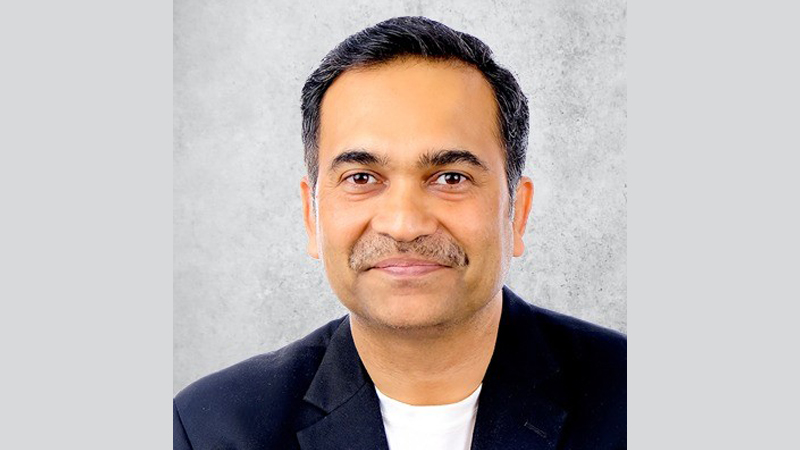
The article has been authored by Logituit co-founder and CEO Sandeep Chandak.