
I&B Ministry
Govt seeks professional help for DD revival


NEW DELHI: Fazed by private sector television channels’ stridency in terms of revenues and viewership in an increasingly digital India, the government is seeking outside professional help in “transformation of Doordarshan.”
A tender has been issued by an organisation under the Ministry of Information and Broadcasting (MIB) to look for a consultant to revamp Doordarshan into a leading public broadcaster that becomes a highly successful medium of mass communication.
Amongst the objectives listed in the tender documents by the Broadcast Engineering Consultants India Ltd. (BECIL) a stated aim is to engage a consulting firm to support Doordarshan in achieving this “transformation goal by undertaking a comprehensive view on the projects and initiatives to be executed” by the Indian pubcaster.
Pointing out that in the last couple of decades after introduction of cable television and technological changes in a country that’s now openly flirting with digital consumption of video and audio on multiple platforms, the government admitted DD’s monopoly days are over and it is not the target media for a large swathe of Indian population. “Given the potential television has, not just commercially but also as a means for socio-economic transformation, it’s critical to revitalize Doordarshan and develop it into a powerful and commercially successful organization of mass communication,” BECIL said in a note enumerating the objectives for the project.
The consultant would have to undertake a comprehensive view on the projects and initiatives to be executed by Doordarshan, engage all stakeholders to arrive at trouble-spots and prepare a solution map for addressing those difficulties. The government is hoping that the consultant will identify in medium term goals for “quick wins” and further help Doordarshan develop a long-term strategic roadmap.
The interested bidders are expected to send in their queries by 2 November 2016 and get responses in a pre-bid meeting on 4 November. The technical bids will be opened on 15 November at 1530 hours. Dates for presentations by bidders and opening of financial bids will be intimated later by BECIL.
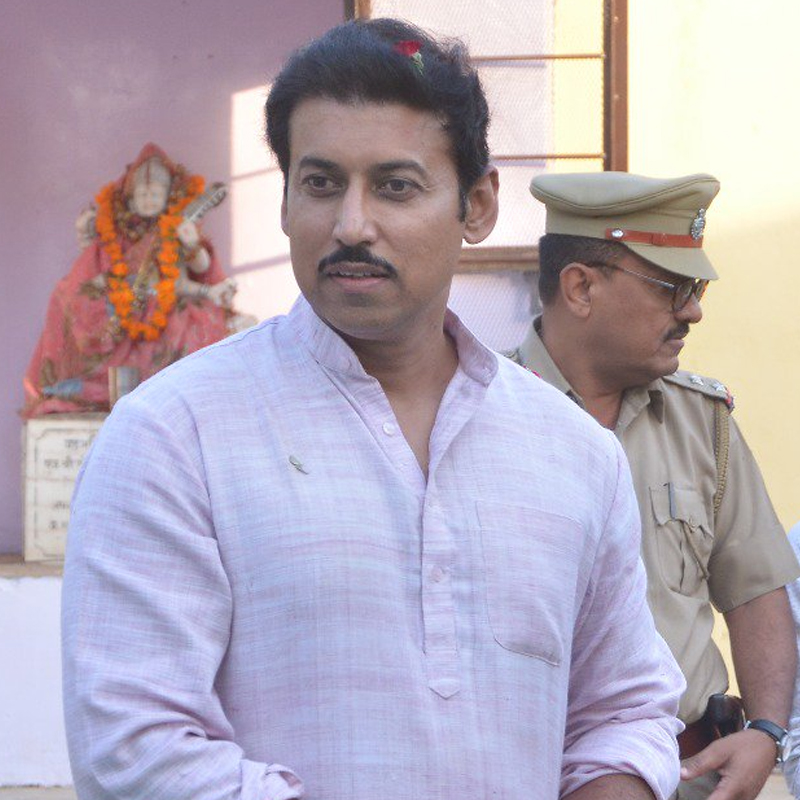
Interestingly, Minister of State for MIB Rajyavardhan Rathore few days back had admitted at a media conference that Prasar Bharati, DD’s parent, lacked adequate programming and marketing capabilities and was open to seeking help from private players.
Doordarshan is one of the largest broadcasting organizations in the world in terms of studios and infrastructure and claims to cover 90 per cent of the total Indian population — a claim that, however, doesn’t aptly reflect in audience measurement data. DD, which offers 23 TV channels in various Indian languages, provides television, radio, online and app-based mobile services throughout India and overseas.
ALSO READ:
Prasar Bharati lacks content & marketing; open to tie-ups: MIB Minister






