I&B Ministry
Govt panel discusses autonomous Prasar’s ‘outreach’ funding from external affairs ministry

NEW DELHI: With the central government laying emphasis on its external relations, particularly with neighbouring countries, the Standing Advisory Committee of All-India Radio has decided to work in tandem with the external affairs ministry with regard to reaching out to other countries through its broadcast services.
The Committee, which met recently after 34 years (the last meeting was in 1983) and for the first time after Prasar Bharati came into being in 1997, took various decisions which will enable greater interaction between the external affairs ministry and the pubcaster.
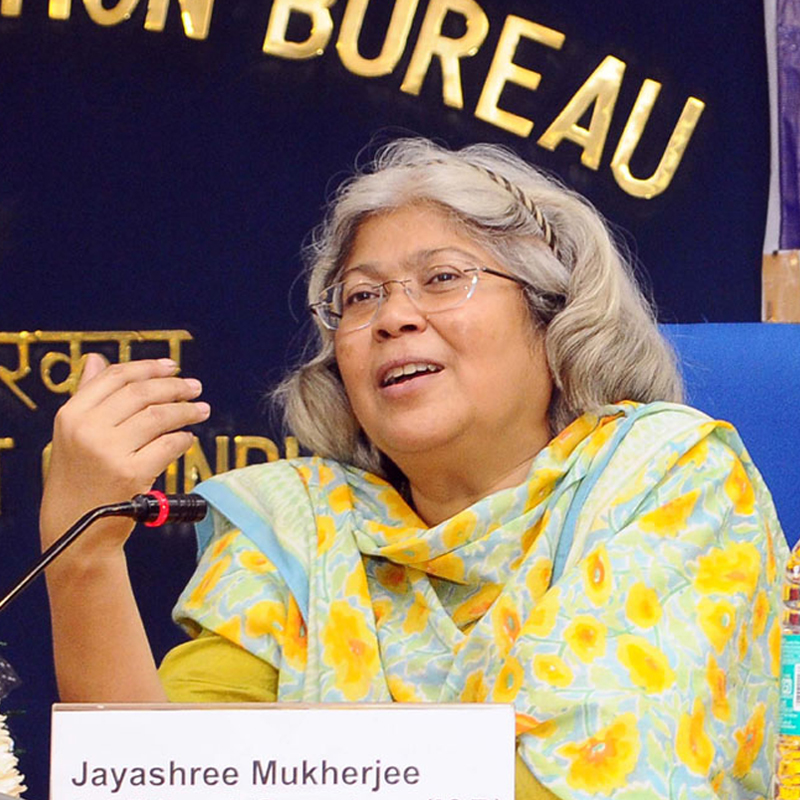
AIR external services director Amlanjyoti Mazumdar told Indiantelevision.com that the meeting, held at the initiative of AIR, was chaired by the ministry of information and broadcasting additional secretary Jayashree Mukherjee though the committee is headed by the MIB secretary.
The committee was “revived and reconstituted” as part of the revamping process of the External Services Division (ESD) of the public broadcaster.
The committee represents various stakeholders of public diplomacy like ministries of external affairs and home affairs as well as the Indian Council for Cultural Relations (ICCR).
Mazumdar said that under Section 12(4) of the Prasar Bharati Act 1990, the ESD has to be funded by the external affairs ministry. However, ESD has, so far, been funded through internal resources of the pubcaster. This matter was also taken up at the meeting, where it was clearly stated that channels like Voice of America or Germany’s Deutsche Welle or the external services of Canada were funded by the foreign affairs departments of those countries.
Mazumdar said the issue was never raised when the government was funding All-India Radio and Doordarshan, but had become important after Prasar Bharati came into being as an autonomous organisation.
One of the issues discussed in the meeting was how to counter the increasing penetration of foreign radio broadcast in the country, particularly in the north eastern states, sources said.
It was pointed out that, at a time when the government is keen to reach out to the neighbouring countries, AIR did not have a service for Bhutan.
A strategy for broadcasting outside India like in Myanmar and Tibetan Autonomous Region was also discussed during the meeting, they said.
The role of Indian missions abroad to enrich the programme with country-specific inputs was also discussed in the meeting, the sources added.