iWorld
Frooti makes web series debut with TTT’s friendship tale Yaar Log!

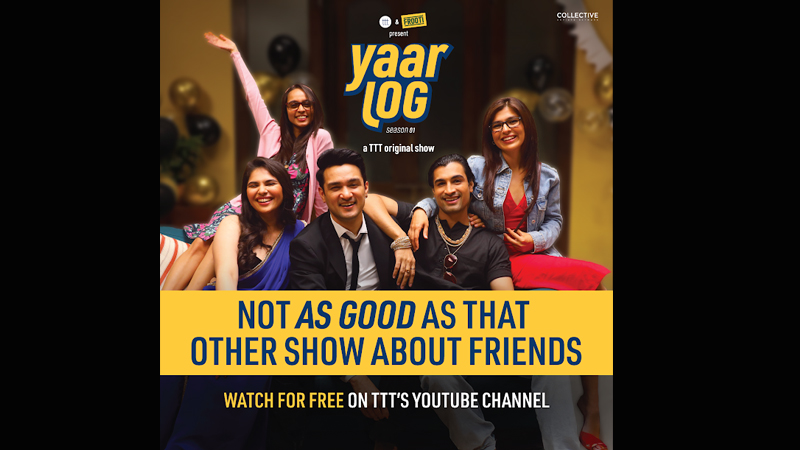
MUMBAI: One sip, one script, and a lot of feels. Parle Agro’s beloved mango drink, Frooti, just made a bold new move from supermarket shelves to streaming screens with the launch of Yaar Log!, an original six-part web series produced by Collective Artists Network’s Terribly Tiny Tales (TTT).
This isn’t just product placement, it’s Parle Agro’s first leap into long-form branded storytelling, and it’s all about friendships that feel as familiar and fizzy as the iconic yellow drink. The show follows a tight-knit group of friends who begin to unravel emotionally when their glue, a core member ironically nicknamed ‘Frooti’ announces he’s moving abroad. What follows is equal parts heartache and hilarity, with Frooti (the drink) making cameo after cameo in fridge raids, meltdowns, and tender goodbyes.
Yaar Log! marks the first time Frooti has been woven into a narrative format. Known for its association with fun and youth culture, the drink is cleverly used as a metaphor for comfort and continuity, the friend who never leaves, even when others do.

“Frooti has always been more than just a beverage, it’s been part of our memories and mischief,” said Parle Agro joint managing director and CMO Nadia Chauhan. “Yaar Log! is about deepening that emotional bond not through ads, but through stories that stick.”
The series premiered on 20 May on TTT’s YouTube and Instagram, with new episodes dropping weekly.
According to TTT Founder & CEO Anuj Gosalia Yaar Log! is a tribute to friendships that shift with time but stay rooted in shared rituals. “It’s for every group chat that’s gone quiet after one friend moved away. And it’s for the bottles of Frooti that stayed in the fridge like a promise.”
With its mix of humour, nostalgia and refreshingly real moments, Yaar Log! positions Frooti not just as a drink, but as a bottled-up feeling sweet, fizzy and always by your side.
And just like that, Frooti’s gone from chilling in your fridge… to warming your heart.







iWorld
Bill Ackman makes a $64bn bid for Universal Music Group
The hedge fund boss wants to list the world’s biggest record label in New York and thinks he knows exactly what ails it
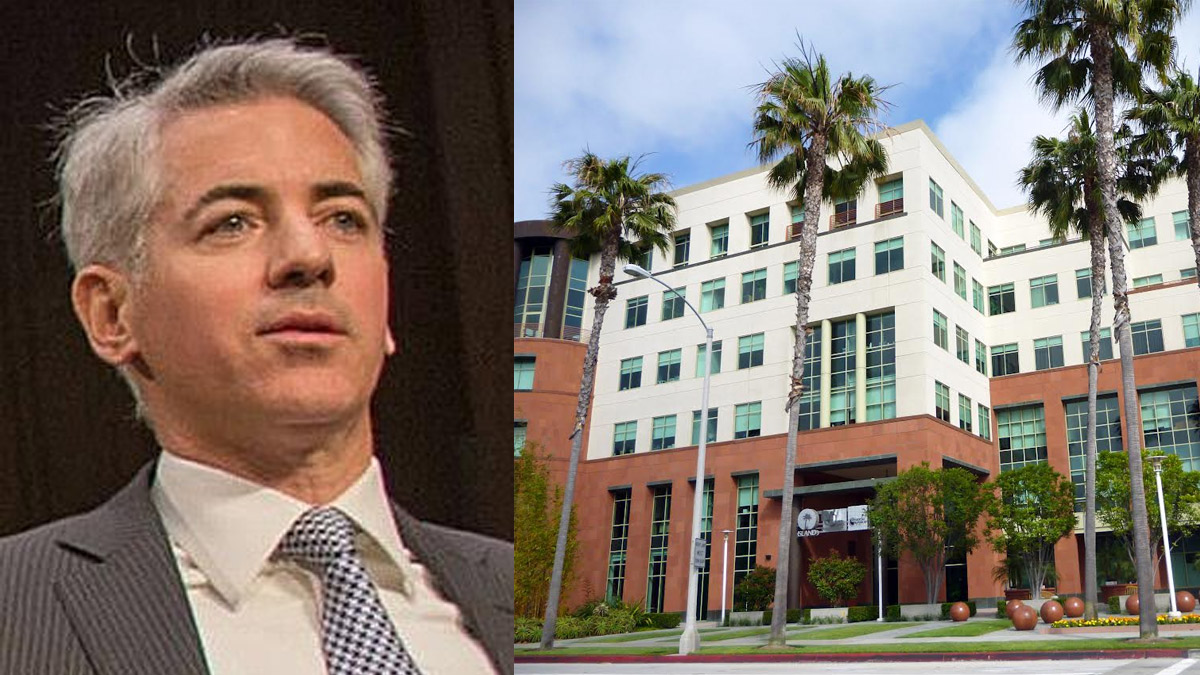
NEW YORK: Bill Ackman wants to buy the world’s biggest record label. Pershing Square Capital Management, the hedge fund run by the billionaire investor, submitted a non-binding proposal on Tuesday to acquire all outstanding shares of Universal Music Group in a business combination transaction worth roughly $64.4 billion (around 55.8 billion euros).
Under the terms of the offer, UMG shareholders would receive 9.4 billion euros in cash, equivalent to 5.05 euros per share, plus 0.77 shares of a newly created company, dubbed New UMG, for each share held. Pershing Square values the total package at 30.40 euros per share, a 78 per cent premium to UMG’s closing price on April 2.
The deal would see UMG merge with Pershing Square SPARC Holdings, with the combined entity incorporating as a Nevada corporation and listing on the New York Stock Exchange. New UMG would publish financial statements under US GAAP and become eligible for S&P 500 index inclusion. Pershing Square says the transaction is expected to close by year-end, with all equity financing backstopped by Ackman’s firm and its affiliates, and all debt financing committed at signing. The transaction would cancel 17 per cent of UMG’s outstanding shares, leaving New UMG with 1.541 billion shares outstanding.
Ackman has a long history with UMG. Pershing Square first bought approximately 10 per cent of the company from Vivendi in the summer of 2021 for around $4 billion, around the time of UMG’s listing on the Euronext Amsterdam exchange. He has since trimmed that position, raising around $1.4 billion from the sale of a 2.7 per cent stake in March 2025, and resigned from UMG’s board in May 2025, citing new executive and board obligations arising from recent investments.
His diagnosis of UMG’s troubles is blunt. The company’s stock has fallen around 33 per cent over the past twelve months on the Euronext Amsterdam exchange, and Ackman lays out six reasons why. These include uncertainty around the Bolloré Group’s 18 per cent stake in the company, the postponement of UMG’s US listing, the underutilisation of UMG’s balance sheet, the absence of a publicly disclosed capital allocation plan and earnings algorithm, a failure to reflect UMG’s 2.7 billion euro stake in Spotify in its valuation, and what Ackman calls suboptimal shareholder investor relations, communications and engagement.
The Bolloré stake has long cast a shadow over the company. Cyrille Bolloré stepped down from UMG’s board in July 2025 as the Bolloré Group battled the French financial markets regulator over its stake in Vivendi, which holds a further capital interest in UMG. UMG had confidentially filed a draft registration statement with the US Securities and Exchange Commission in July 2025 for a proposed secondary listing in America, but put those plans on hold in March 2026, citing market conditions.
Ackman has kind words for UMG’s management, at least. “Since UMG’s listing, Lucian Grainge and the company’s management have done an excellent job nurturing and continuing to build a world-class artist roster and generating strong business performance,” he said. But he made his diagnosis plain: “UMG’s stock price has languished due to a combination of issues that are unrelated to the performance of its music business and importantly, all of them can be addressed with this transaction.”
In other words, Ackman believes UMG is a great business trapped inside a broken structure. If the board agrees, he intends to fix that, loudly and in New York.






