Applications
Foundry promotes sales veteran Chhavi Bhalla to senior director

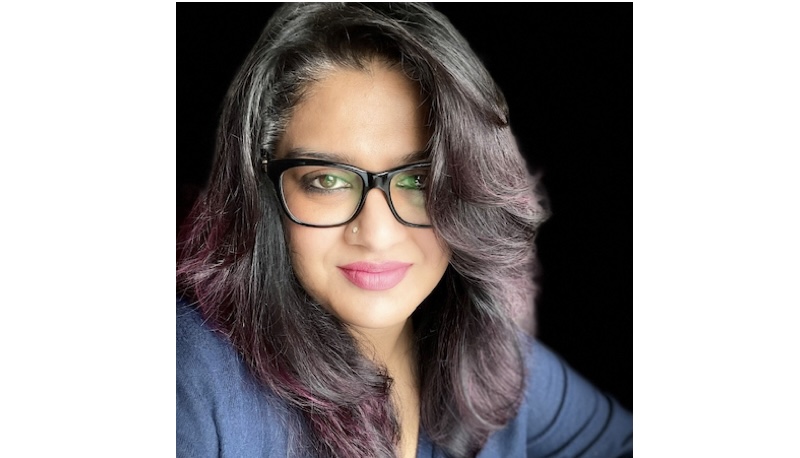
MUMBAI: Chhavi Bhalla has been elevated to senior director of growth sales at Foundry, capping a meteoric rise through the company’s ranks over three-and-a-half years.
Bhalla, who joined the firm as new business manager for North America in March 2022, was promoted to director of growth sales in March 2024 before landing her latest role this month. Her ascent reflects Foundry’s aggressive expansion in the competitive digital media space.
The sales veteran brings formidable credentials from America’s media landscape. At Gannett’s USA Today Network, she delivered $350,000 in fresh revenue through 15 new clients whilst generating creative solutions that contributed 50 per cent to annual turnover. Her portfolio spanned the full digital spectrum—from over-the-top streaming and programmatic advertising to search engine marketing and branded content.

Earlier stints at regional broadcaster Gray Communications and KOLO 8 saw Bhalla add 25 clients worth $200,000 in revenue whilst coaching marketing teams across the American west coast.
Her Indian media pedigree runs deep. A five-month tenure as head of content sales for the public sector at Discovery yielded a $9m partnership with India’s tourism ministry for a bespoke travel series. At Zee Entertainment, she quadrupled revenue relative to production costs through content innovations across the network’s channels.
Her most impressive performance came at Viacom18, where she delivered an 85 per cent revenue surge from north and east India regions, orchestrating branded content deals with corporate giants including GSK, Coca-Cola and Microsoft.
Bhalla’s promotion underscores Foundry’s bet on seasoned operators who can navigate the increasingly complex digital advertising ecosystem whilst delivering measurable growth in challenging market conditions.






Applications
With 57 per cent single new users, Ashley Madison rebrands as discreet dating platform
Platform says majority of new members now identify as single
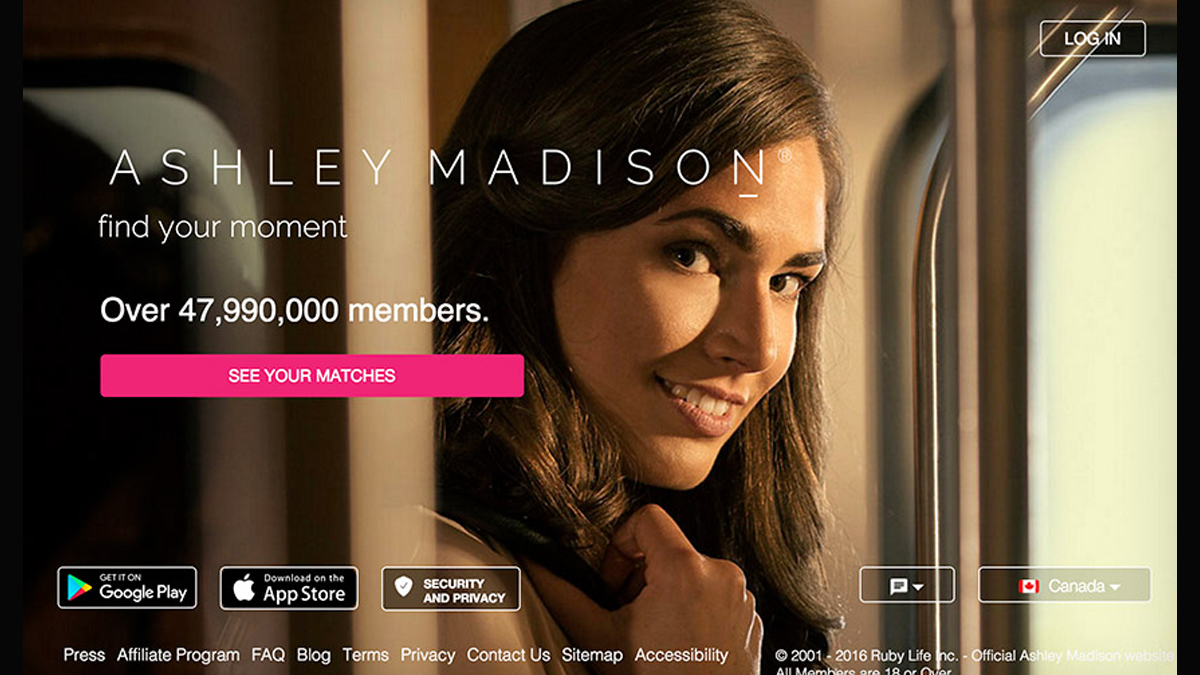
INDIA: Ashley Madison is shedding the “married-dating” label that defined it for two decades, repositioning itself as a platform for discreet dating in what it calls the post-social media age.
The rebrand, unveiled in India on 27 February, 2026, marks a structural shift in business model and identity. Once synonymous with married dating, the company now describes itself as the “premier destination for discreet dating” under a new tagline: Where Desire Meets Discretion.
The pivot is data-driven. Internal figures show that 57 per cent of global sign-ups between 1 January and 31 December, 2025 identified as single: a notable departure from the platform’s married core. The company argues that its community has already evolved beyond its original positioning.
“In an age where our lives have been constantly put on public display, privacy has become the new luxury,” said Ashley Madison chief strategy officer Paul Keable. He framed the platform’s offering as “ethical discretion” for singles, separated, divorced and non-monogamous users seeking private connections.
The shift also taps into wider digital fatigue. A global survey conducted by YouGov for Ashley Madison, covering 13,071 adults across Australia, Brazil, Canada, Germany, India, Italy, Mexico, Spain, Switzerland, the UK and the US, found mounting discomfort with hyper-public online lives.
Among dating app users, 30 per cent cited constant swiping and messaging as a source of fatigue, while 24 per cent pointed to pressure to curate public-facing profiles and early personal disclosure. Some 27 per cent said fears of screenshots or information being shared contributed to exhaustion; an equal share cited unwanted attention.
The retreat from oversharing appears broader. According to the survey, 46 per cent of adults actively try to keep most aspects of their life private online. Only 8 per cent feel comfortable sharing most aspects publicly, while 35 per cent say they are becoming more selective about what they disclose.
Ashley Madison is betting that this cultural recalibration towards controlled visibility can be monetised. By doubling down on privacy infrastructure and reframing itself around discretion rather than infidelity, the company is attempting to convert reputational baggage into a premium proposition.







