iWorld
Flipkart’s entry into video streaming space more of an e-commerce play

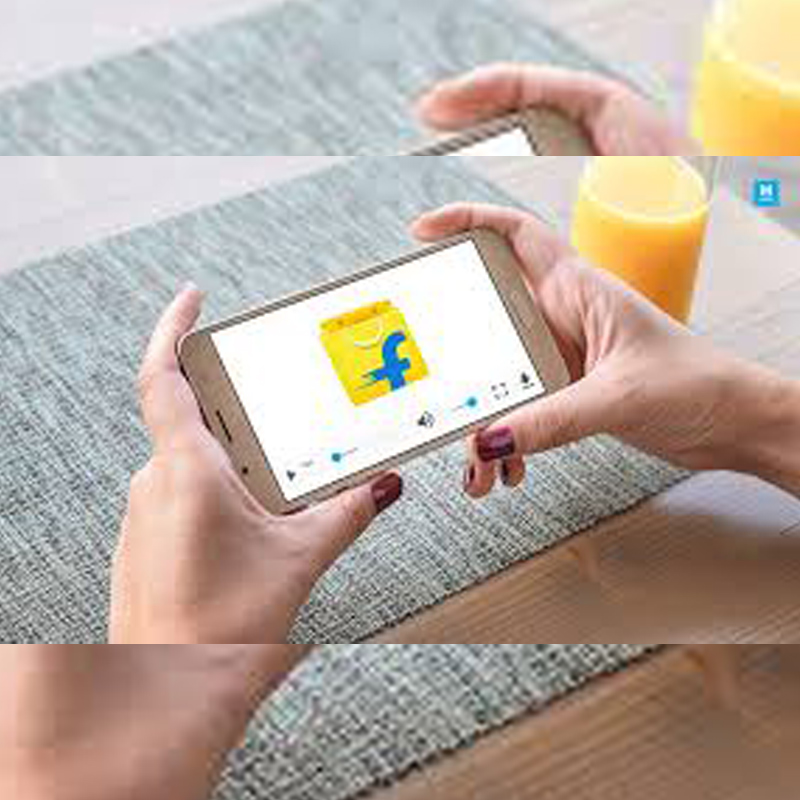
MUMBAI: Ever since Flipkart announced its entry into India’s booming video streaming space, it’s been the talk of the town. The Walmart-owned e-commerce platform will open it up for Flipkart Plus loyalty program members in a fashion similar to Amazon Prime Video.
The upcoming video streaming service will enter the market in September, before the festive season of Diwali. The difference between the two is that Flipkart’s service is entirely free for Plus members while the other entails a cost of Rs 129 a month. Another difference is that Flipkart is currently licensing content while Amazon invests in its own. However, industry experts are divided on the effectiveness of the e-commerce player’s plan to enter the market with commissioned content.
“Walmart acquired Vudu in 2010 and has been trying to scale it with an ad-funded model rather than originals/subscription. For India, if they have decided to do aggregated content, I think it is because they are testing waters initially. Walmart as a new video OTT player is a good step for consumers and the industry. I think once they taste the success they will start investing in local content or originals as well. Walmart is also as deep-pocketed as Netflix or Amazon,” Eros International group chief marketing officer Manav Sethi commented on the strategy.

On the other hand, Elara Capital vice president research Karan Taurani is of the view that until and unless OTT players make an investment into original content, no massive changes can be expected since it is a very crowded space with more than 30 players. Reports say that Flipkart has not ruled out the possibility of launching originals.
Despite its different stance, experts are sure that it will definitely boost Flipkart’s business. One media analyst opined that the model is similar to Amazon Prime Video where content is one offering in Flipkart’s loyalty programme. However, instead of targetting a million subscribers, Flipkart’s aim is to get more consumers to spend money on its platform.
“The play they want to have is really similar to Amazon than Netflix. The idea is to hook the audiences to its content to study consumer behaviour for better targetting,” said another analyst from an auditing firm who wished to remain unnamed. He added that if it can get people to linger on the platform and increase the number of services provided to them, Flipkart will be in a better position to target them efficiently. But he added that the quality of content and price point will also matter.
“In the past 10 years, our vision and ethos have been to create India-specific tech solutions. What we are rolling out when it comes to addressing the needs of the next 200 million users in our country, is taking forward those founding principles of access and affordability,” Flipkart group CEO Kalyan Krishnamurthy commented as per media reports.
Taurani added that Flipkart can tie up with multiple OTT platforms which will help it boost its e-commerce segment. As Amazon Prime is restricted to have in-house content, this can be an advantage.
Moreover, as per Taurani, the OTT platforms or broadcasters providing content to Flipkart will also gain from the deal as this will be an additional revenue stream for them apart from their current tie-up with the telcos. Hence, it’s a win-win situation for both but it will obviously help Flipkart’s e-commerce play more.
It’s yet to be ascertained how this move will create a dent in the market. “It will increase the competition. The consumers who were having 30-plus options will have one more big option to consume. Depending on how Walmart packages and prices it, I think it should see significant consumption uptake,” Sethi added.
According to a recent report from KPMG, the digital segment of the media and entertainment industry in India contributed Rs 173 billion in revenue in FY19 with digital advertising and subscription from OTT platforms contributing significantly. The potential of the market is noticeable as the report predicts 580 million OTT consumers by FY24 will be spending more than 30 minutes on online video platforms each day.





iWorld
Samay Raina returns with Still Alive, confronts 2025 controversy in bold comeback special
Comeback set tackles controversy, blending humour with raw storytelling
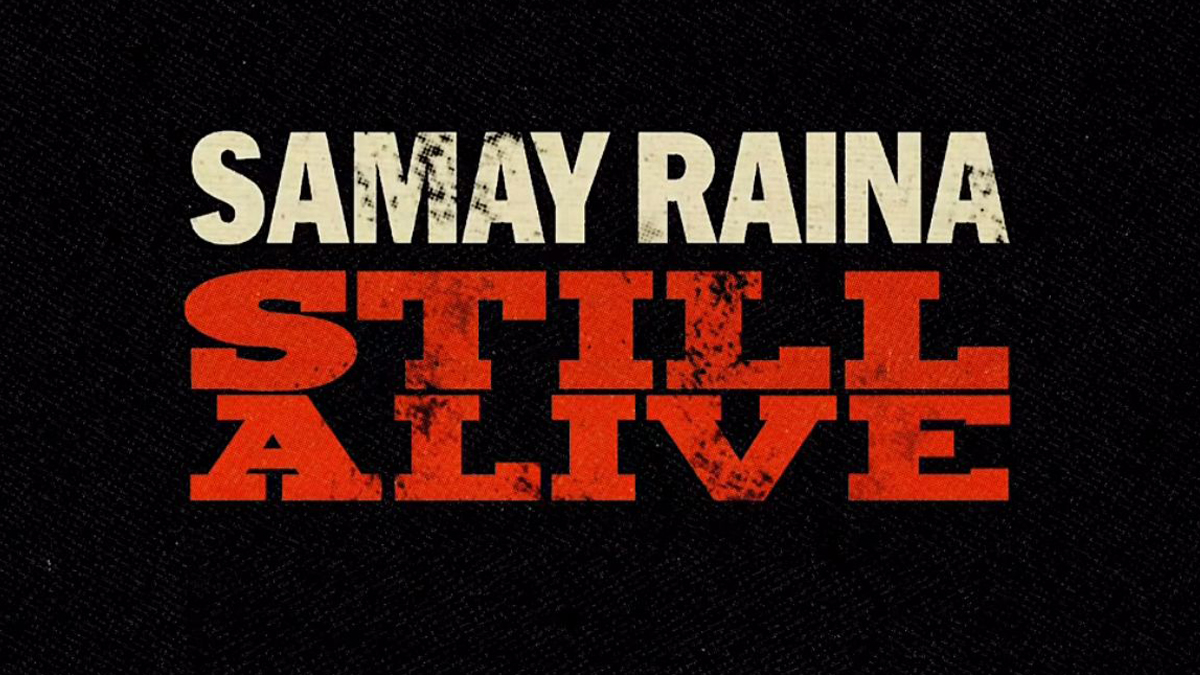
MUMBAI: Samay Raina is set to release his new stand-up comedy special, Still Alive, on YouTube on April 7, 2026, marking a high-profile return following a turbulent year.
The trailer for the special dropped on April 5, offering a glimpse into what Raina describes as a raw and unfiltered set that leans as much on honesty as it does on humour.
Positioned as a comeback of sorts, Still Alive draws heavily from the controversy surrounding his show India’s Got Latent in early 2025. The episode led to legal trouble, multiple FIRs, and a lengthy six-hour interrogation by the Maharashtra Cyber Cell, placing the comedian at the centre of intense public scrutiny.
Rather than sidestep the episode, Raina leans into it. The special reflects on the fallout and his personal journey through it, blending observational comedy with moments of emotional candour. Early audience feedback from live performances suggests the tone is less about rapid-fire punchlines and more about storytelling with bite.
The special was filmed during his global Still Alive & Unfiltered tour, which ran from August 2025 to early 2026. The tour saw Raina perform across major international venues, including the Madison Square Garden Theatre in New York, a milestone that places him among the youngest Indian comedians to take that stage.
The title itself signals resilience. “Still Alive” is a nod to navigating both legal and public backlash while choosing to remain unapologetically authentic, a theme that appears to anchor the set.
With the special set to premiere online, all eyes are now on how audiences respond to a performance that promises equal parts reflection and wit. For Raina, the message is clear. He is not just back, he is ready to be heard on his own terms.






