International
Family Ties creator Gary David Goldberg succumbs to brain cancer

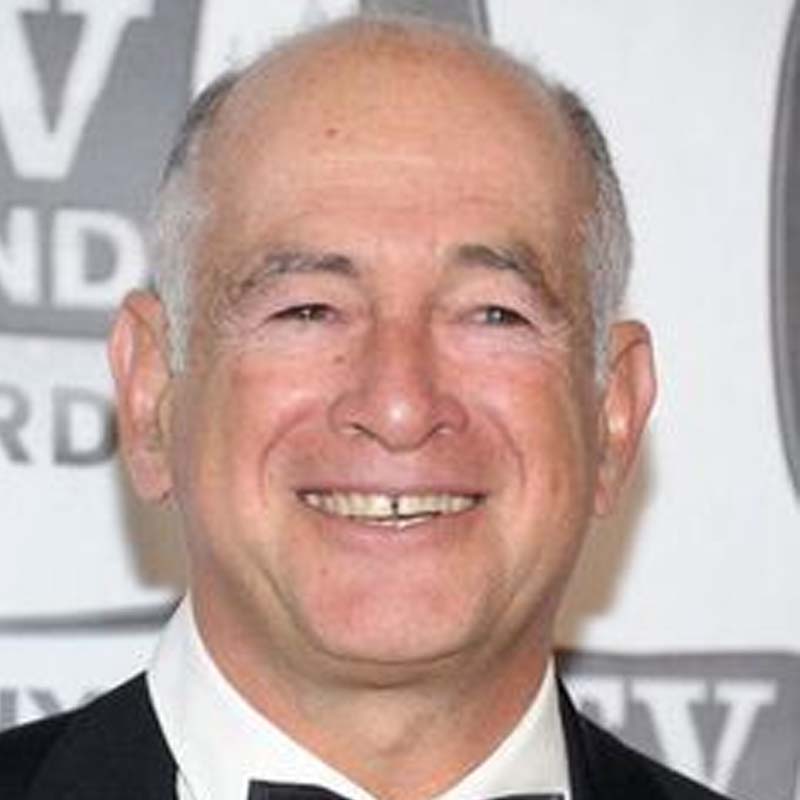
MUMBAI: After the recent shock of James Gandolfini‘s sudden death, the industry receives another jolt at the demise of Gary David Goldberg, the creator ofFamily Ties and Brooklyn Bridge and co-creator of Spin City. It is reported that Goldberg succumbed to his long battle with brain cancer, early this morning at his house in Montecito in California. He passed away just two days before his 69th birthday.
Goldberg, who shot to fame with his hitFamily Ties, was born in Brooklyn, New York. The American sitcom which spans over three decades was apparently an inspiration from his personal life. The two time Emmy Awards winner also worked onThe Bob Newhart Show and Lou Grant. Among his other laurels Goldberg also won two Golden Globes, two WGA Awards, six Humanitas Prizes and a Peabody.
 Goldberg worked with actor Michael J. Fox for Family Ties and Spin City both of which were commercially successful delivering blockbuster ratings. The finale of Family Ties ranked among the Top 10 series finales of all time with 36.3 million viewers and Fox‘s farewell episode on Spin City bringing in 32.8 million viewers, one of the largest audiences for a series this century. Beyond his work in television, Goldberg also directed features such as “Dad,” starring Jack Lemmon; “Bye Bye Love,” with Paul Reiser; and “Must Love Dogs.”
Goldberg till the last, was well supported by his wife, Dr. Diana Meehan, who apart from being a producer, author and advocate also co-founded the Archer School For Girls in Brentwood and his two grown-up daughters, former Friends executive producer and comedy writer Shana Goldberg-Meehan and a freelance writer and Huffington Post contributor Cailin Goldberg-Meehan, both who are following in their father‘s footsteps with careers in TV writing.