iWorld
Facebook appoints Umang Bedi as managing director India

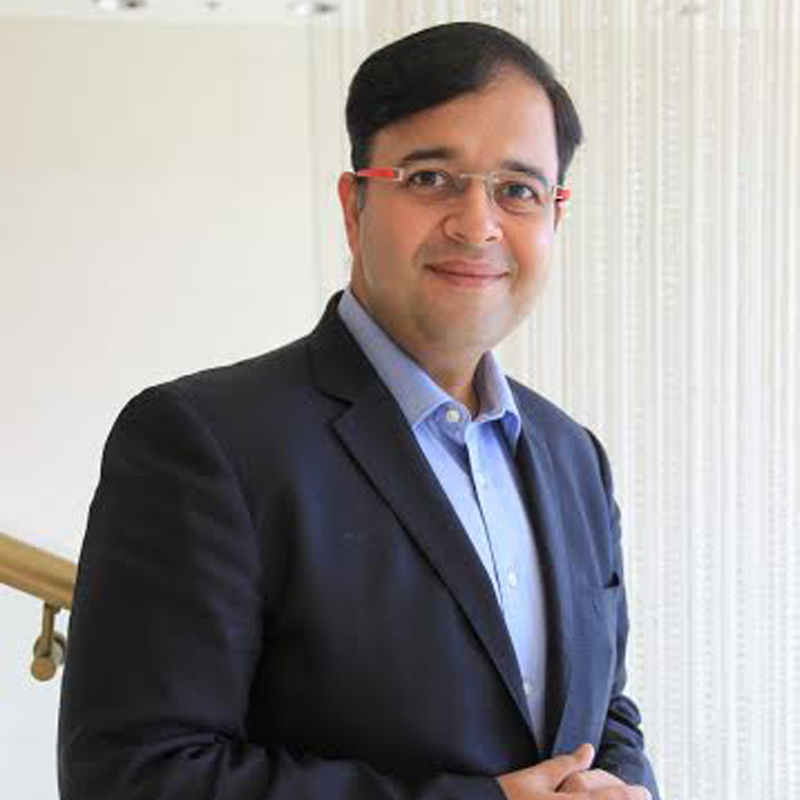
MUMBAI: Facebook has appointed Umang Bedi as Managing Director, India, where he will lead in building and maintaining strategic relationships with top clients and regional agencies in the country. He will take over from Kirthiga Reddy, who will be returning to United States to take on a new role at the company’s headquarters at Menlo Park.
“I am thrilled to join Facebook and am looking forward to working with the talented teams in India, to help brands and agencies grow their business on our platform. For me it’s a promising opportunity to participate in India’s digital growth, and I can’t think of a better place to be at.” said Bedi on her new appointment.
Umang comes to Facebook with close to two decades of leadership experience covering sales, marketing and partnerships where he successfully built teams and grew businesses for multinational companies. Prior to joining Facebook, Umang was the Managing Director of the South Asia region at Adobe. He was responsible for growing their business in India and helping India grow to amongst the leading markets for Adobe in the APAC and global regions.

Umang is an engineering graduate from University of Pune, an alumni of Harvard Business School and the recipient of the prestigious ‘40 Under Forty: India’s Hottest Business Leaders Award 2014’ given by The Economic Times and Spencer Stuart in 2014.
On the other hand, Kirthiga Reddy, who was the face of Facebook in India, is set to join the Global Accounts team at Menlo Park, CA where she will manage a set of global brands and also lead the emerging markets efforts globally for the Global Accounts team, which manages Facebook’s relationships with the world’s largest global advertisers.
“After six years in India building our operations and business, it’s hard to leave a team I now call family. The good news is that we will continue to work together. As I look ahead, I am excited about how well positioned our business is, to grow from strength to strength with Umang’s leadership, and with my next opportunity to shape and drive our emerging markets strategy across some of the world’s biggest brands,” Reddy shared.
Umang will officially start at Facebook in July 2016. Kirthiga will start her new role in August 2016.
“India is known for its great talent pool and we are really pleased to have Umang Bedi, a proven business executive to lead our business in India. I also want to wish Kirthiga the very best in her new global role. Kirthiga has played a huge and key role in building our India business from scratch, and I know she will continue to deliver the same impact in the US,” said Facebook Asia Pacific VP Dan Neary.
He further added, “Facebook is where people and businesses connect on mobile and with close to 150 million monthly active people in India, we see significant opportunities to help Indian business – large and small – deliver against their business objectives in the mobile world.”
Facebook works with more than 85% of the top 100 advertisers in India identified by Kantar. 100% of those advertisers use video within their Facebook campaigns in India.







iWorld
Bill Ackman’s Pershing Square makes $64 billion bid to acquire Universal Music Group
Ackman pitches NYSE relisting plan as UMG board weighs unsolicited offer

The hedge fund has proposed a business combination that values UMG at €30.40 per share, representing a hefty 78 per cent premium to its current trading price. The offer includes €9.4 billion in cash alongside stock in a newly formed entity, with shareholders set to receive €5.05 per share in cash and 0.77 shares in the new company for each UMG share they hold.
Under the proposal, UMG would merge with Pershing Square SPARC Holdings Ltd and re-emerge as a Nevada-based entity listed on the New York Stock Exchange. The move is designed to boost investor visibility and potentially secure inclusion in major indices such as the S&P 500.
Pershing Square Capital Management ceo Bill Ackman argued that while UMG’s operational performance remains strong, its market valuation has lagged due to external factors. “UMG’s stock price has languished due to a combination of issues that are unrelated to the performance of its music business,” Ackman said, pointing to concerns ranging from shareholder overhang to delayed US listing plans.
Ackman also flagged what he sees as untapped potential in UMG’s balance sheet and a lack of clear capital allocation strategy. He added that the market has not fully recognised the value of UMG’s €2.7 billion stake in Spotify, alongside gaps in investor communication.
The proposed transaction would also result in the cancellation of around 17 per cent of UMG’s outstanding shares, while maintaining its investment-grade balance sheet. Pershing Square has said it will fully backstop the equity financing, with debt commitments secured at signing. The deal is targeted for completion by the end of the year.
UMG, however, has struck a measured tone. The company confirmed that its board has received the non-binding proposal and will review it with advisers. It reiterated confidence in its current strategy and leadership under Lucian Grainge, signalling no immediate shift in stance.
The proposal comes at a time when global music companies are navigating evolving investor expectations, streaming economics and capital allocation pressures. For Pershing Square, the bet is clear: sharpen the financial story, relist in the US, and let the music play louder in the markets.
Whether UMG’s board is ready to change the tune remains to be seen, but the spotlight on its valuation just got a lot brighter.






