News Broadcasting
Except for DNA, everything in ‘MTV Roadies 18’ has changed: Anshul Ailawadi

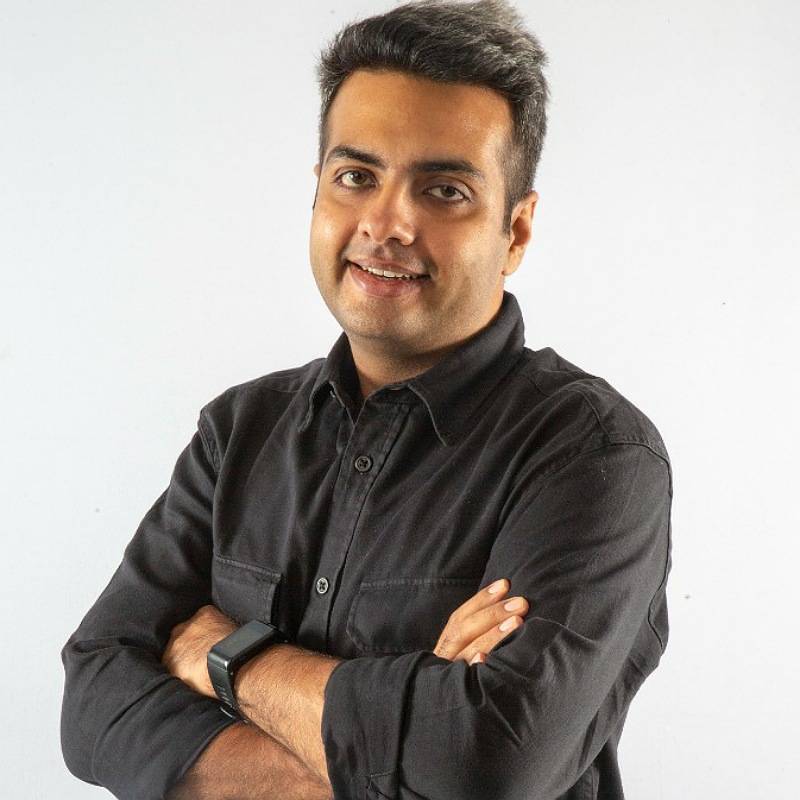
Mumbai: Viacom18 has completely sold out the inventory for “MTV Roadies: Season 18” in what is to be one of the most “financially healthy” seasons of the long-running show, Viacom18 head of youth, music and English entertainment Anshul Ailawadi told IndianTelevision.com at the launch event.
This season of “Roadies” has onboarded Infinix Smartphones as ‘presenting’ partner and CoinSwitch, Paree Sanitary Pads, Leverage Edu and Lakme Sun Expert as ‘co-powered by’ partner. It has also partnered with Rage Coffee, Wai Wai Noodles, Big Muscle Nutrition, Fly High Institute, Romsons Perfume.
“Outside of sport in India, I don’t know of any entertainment property that has a handset manufacturer, a crypto exchange, a make-up brand, an ed-tech company, and a sanitary pad manufacturer as your ‘presenting’ and ‘powered by’ sponsors,” said Ailwadi. “Then, of course, we have the NBA, Wai Wai Noodles, Rage Coffee and a couple more brands that have partnered with “Roadies.” This is India’s longest-running adventure reality show and for the interest of young people, honestly, there’s no better vehicle for the engagement that we offer.”

This year’s “MTV Roadies” will be hosted in South Africa. “The idea was to scale up the show 10 times and visually when we looked at which country or location was the best candidate, the consensus was that South Africa was the spot,” noted Ailwadi. “The kind of landscape and opportunities that it offers are very rare.”
The fresh season of “Roadies” will witness 20 new contestants who will be paired in a new ‘Buddy pairs’ format. The troop will hit the road and create pit stops across destinations where the contestants will unravel clues for their next task and destination. The new format will also see contestants and Sonu Sood come together over bonding sessions and camp fire huddles.
When queried about the format changes, Ailawadi said, “Let me answer that in another way by telling you what has not changed? The only thing that has not changed is the fact that the DNA of the show is about an adventure and a journey. Everything else has changed. This season has a new host, new location and new format. The show is still about pushing yourself and doing things you never thought you were capable of doing while inspiring your peers. That’s the gist of it. There are several innovations this season but you must watch the show to know more.”
To promote the new season, Viacom18 will broadcast the entire first episode of the show on five channels including MTV, MTV Beats, Colors Infinity, Comedy Central and Vh1 as well as roadblock 15 network channels to drive tune-ins. They have also launched a 360-degree marketing campaign across TV, digital, radio and outdoor.
“We’ve done a campaign with Sonu Sood, who is known for taking migrant workers to their homes during Covid-19, in partnership with metros in Delhi, Bangalore and Bombay that will broadcast a public service announcement voiced by Sonu Sood,” shared Ailawadi.




News Broadcasting
CNN-News18 to host Fury in the Gulf conclave on West Asia crisis
Three-hour summit to unpack geopolitical fallout and impact on India
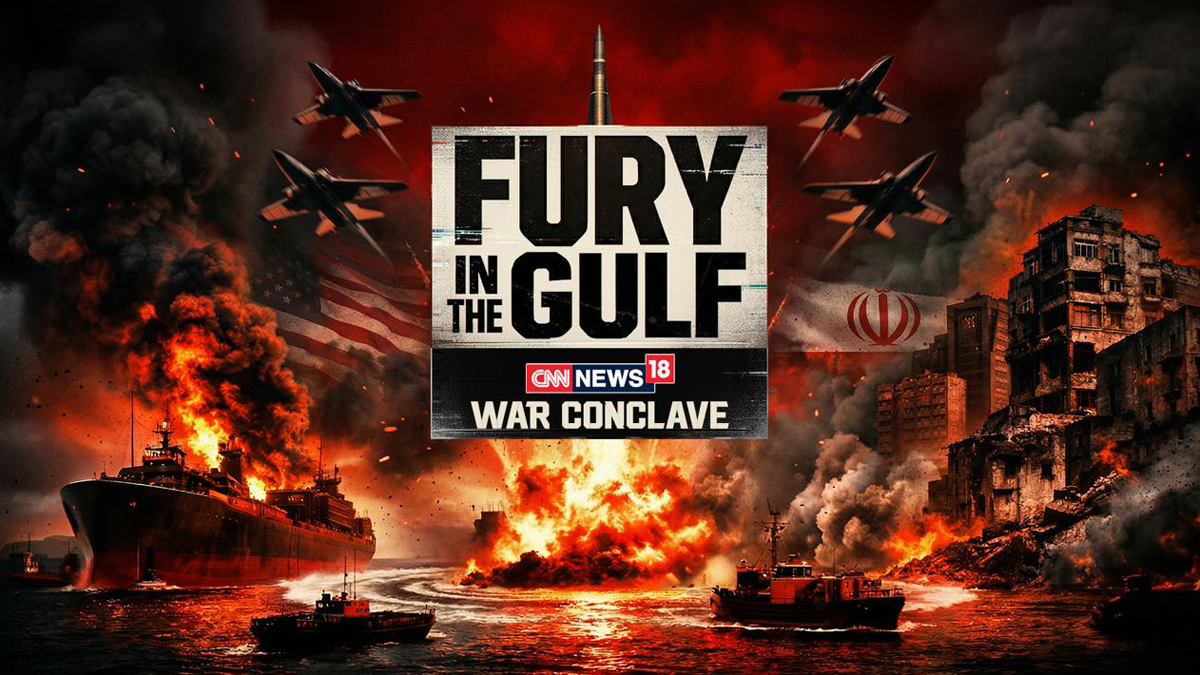
MUMBAI: CNN-News18 is set to host a special three-hour broadcast, Fury in the Gulf – War Conclave, on April 7, aiming to decode the escalating West Asia crisis and its far-reaching implications for India.
Scheduled from 4:00 PM to 7:00 PM, the conclave comes at a time when tensions between Iran and the United States are reshaping global geopolitics and triggering economic uncertainty. With India’s deep energy ties, trade links and large diaspora in the Gulf, the developments carry significant domestic relevance.
Built around the theme ‘Conflict, Consequences, and The Future,’ the programme will feature six curated sessions combining one-on-one interviews and panel discussions. The focus is to cut through the clutter and offer viewers a clearer understanding of the fast-evolving situation.
Key sessions include ‘Diplomacy in Times of War’ featuring Shashi Tharoor, and ‘World After the Iran Conflict’ with voices such as Ram Madhav, Reuven Azar, representatives from the European Union and the Iranian Deputy Envoy. Another session titled ‘Another Dunkirk?’ will bring together K. J. S. Dhillon and Jitin Prasada among others.
CNN-News18 editorial affairs director Rahul Shivshankar said, “In times of war, clarity becomes the most powerful tool. Fury in the Gulf – War Conclave brings together credible voices to address the questions and confusion that arise amid an overwhelming influx of information.”
He added that the initiative is aimed at delivering “facts, perspective, and insight” at a time when misinformation can easily cloud public understanding.
Echoing the sentiment, CNN-News18 CEO– English and business news Smriti Mehra said the conflict marks a defining global moment, with consequences that extend well beyond the region. She noted that the conclave seeks to present the crisis with “depth, nuance and responsibility” so audiences can better grasp its real-world impact.
As geopolitical tensions continue to dominate headlines, the conclave positions itself as an attempt to bring order to the noise, offering viewers a structured, insight-led look at a complex and rapidly shifting global situation.






