iWorld
ErosNow acquires worldwide rights to Zee TV’s content


MUMBAI: EroS International Media is riding high on success. Its on-demand entertainment portal ErosNow has acquired the worldwide rights of popular Zee TV shows.
With this development, the content from Zee will be available to members with no extra subscription costs. With a reach of more than 169 countries and access to more than 670 million viewers globally, Zee TV is the largest media franchise serving the South Asian Diaspora.

The partnership will allow ErosNow to showcase Zee’s premier television content ranging from top rated serials and soaps to reality shows. Shows like -Ek Mutti Aasmaan, Pavitra Rishta, Fear Files, Sapne Suhane Ladakpan Ke, Jodha Akbar, Do Bandhe Ek Dori Se, Kumkum Bhagya, Qubool Hai, Aur Pyar Ho Gaya and Armano ki Doli.
ErosNow CEO Rishika Lulla Singh feels that partnering with Zee for compelling content is a natural step to providing the best of Indian entertainment to the consumers worldwide. “We aim to provide a robust customer experience with an extensive content offering. We are thrilled to introduce prime television programming from Zee TV into our content mix. We are very excited to bring these shows to the platform and are confident this content will be enjoyed worldwide on ErosNow.”
According to Zee MD and CEO Punit Goenka it is a logical extension for the channel to make its programs available on ErosNow. “Zee has always been a leader in the media and entertainment space, having evolved from being a broadcaster to a content creator and aggregator.”
Goenka further adds “Our premium television content is enjoyed by a large global audience across diverse platforms, with a definitive surge in younger viewers who are more accustomed to consuming entertainment via digital platforms. By partnering with ErosNow, we hope to capture viewers from around the world with the best shows from Zee’s library thus living up to our corporate brand philosophy of “Vasudhaiva Kutumbakam- The World Is My Family.”







iWorld
OpenAI hits back at Elon Musk’s lawsuit ahead of trial
Company calls claims “baseless” and accuses Musk of trying to disrupt a rival.
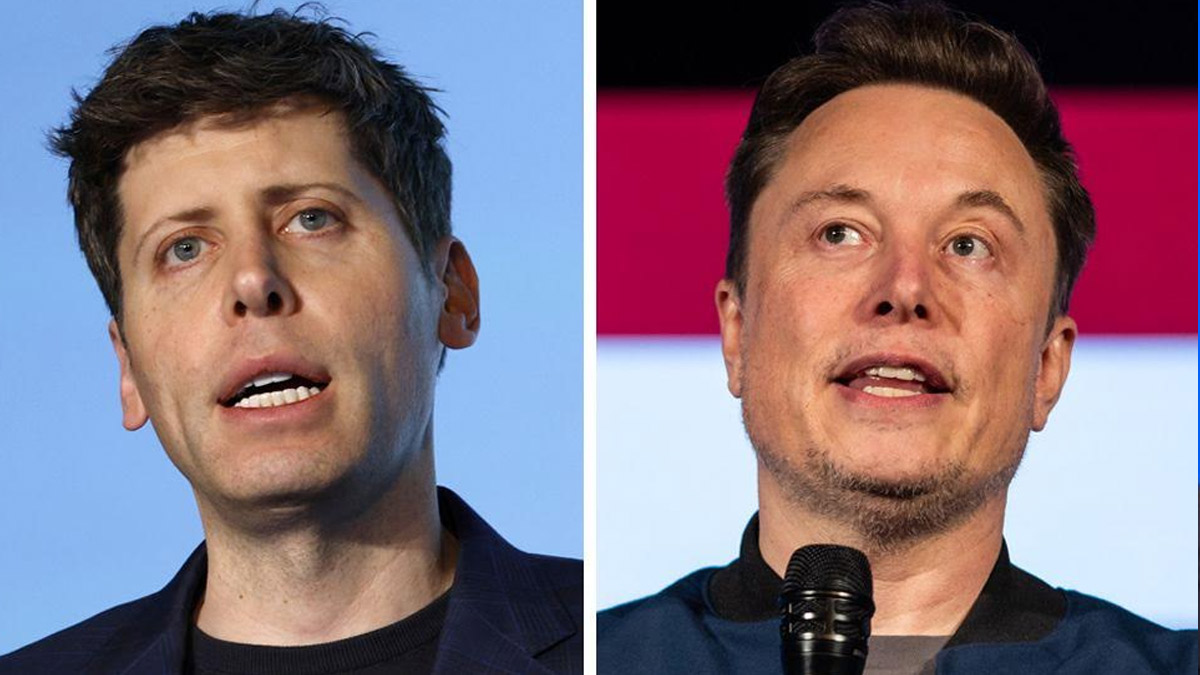
MUMBAI: When the stakes are measured in billions and egos are involved, even Silicon Valley titans can turn a courtroom into a battlefield. OpenAI has issued a sharp public response to Elon Musk’s ongoing lawsuit, accusing the billionaire of filing the case to harass a competitor rather than address genuine concerns. In a strongly worded statement shared on its official X account, OpenAI described Musk’s allegations as “baseless” and suggested the lawsuit is an attempt to disrupt the company as the case heads toward trial later this month in Oakland, California.
The response comes after Musk’s legal team recently amended the complaint, proposing that any damages potentially exceeding $150 billion should go to OpenAI’s nonprofit entity rather than to Musk personally. OpenAI questioned the timing and motive behind this change, calling it a late-stage attempt to “pretend to change his tune” on the nonprofit structure.
The company further labelled the lawsuit a “harassment campaign”, arguing that Musk’s actions are driven by personal rivalry, ego, and a desire for greater control and financial upside.
At the heart of the dispute is Musk’s claim that OpenAI has abandoned its original nonprofit mission of developing artificial intelligence for the benefit of humanity. A co-founder who left in 2018, Musk is seeking governance changes, including the removal of CEO Sam Altman from the nonprofit board, and the return of certain financial gains linked to Altman and President Greg Brockman.
OpenAI has firmly rejected these allegations, maintaining that its current hybrid structure, a public-benefit corporation overseen by a nonprofit parent remains true to its long-term goals. The company has also previously accused Musk of anti-competitive behaviour aimed at weakening its leadership.
As the case prepares for a jury trial, this public exchange highlights the deepening rift between two of the most influential figures in the AI revolution and raises broader questions about governance, mission, and power in the fast-moving world of artificial intelligence.
In the high-stakes game of AI, it seems the real drama isn’t just inside the models, it’s playing out in courtrooms too.






