Hindi
Eminent film historian Feroze Rangoonwala passes away

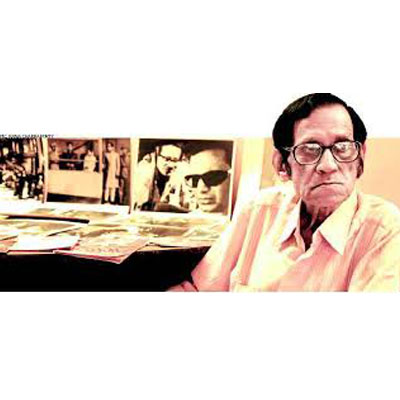
NEW DELHI: Eminent film historian Feroze Rangoonwala, credited with having written the highest number of books on Indian cinema, is no more.
Rangoonwala passed away at his residence in Mumbai earlier this week, aged 77, of prolonged sickness.
He has left behind a wealth of information on Indian cinema, particularly at a time when efforts are on to save cinematic material for archival purposes.
Rangoonwala was best known for creating the first book of Indian filmography in 1969, Indian Film Index, and his magnum opus, Pictorial History of Indian Cinema, which for its period of issue had a record run in printing. Its Russian translation led to Indian cinema being introduced to the big Soviet readership, which loved Indian films. The book also saw multiple printings.
It came about five years after Indian Film written by an American film historian Erik Barnouw and Indian filmmaker S Krishnaswamy, which was the other major book on Indian cinema at that time.
Rangoonwala wrote 15 major books spanning a career of five decades. These included Indian cinema, Past and Present in 1983, and several monographs on different film personalities including those on filmmakers Guru Dutt and Bimal Roy – some written for the National Film Archives of India. Other books include Satyajit Ray’s Art, Seventy-five years of Indian cinema, and Bharatiya Chalchitra Itihas.
He started as a film publicist in Mumbai in the early 1950s, and soon created a major hobby into a scholastic career. He also collected a large number of film posters and rare photographs. His knowledge of the film industry made him a much sought after person to sit in both international and Indian film juries.
Unfortunately Rangoonwala remained least acknowledged by the Indian government circles and did not receive any accolades.
Rangoonwala finally called it a day in 2006, as illness dogged him.
He sold off his entire collection of Indian cinema memorabilia to a collector of film history and retreated into private life. He also donated some rare photographs from cinema to the National Film Archives of India.