GECs
Echostar, Viacom play the blame game over signal cut off

MUMBAI: For those who thought cable operators fighting with broadcasters over fees is an “Indian malaise”, think again. Much the same issues are behind the head-on collision in the US between cable and satellite operator biggie Echostar and media major Viacom.
All the Viacom channels (the likes of MTV and Nickelodeon) as well as all CBS stations have been off Echostar’s Dish Network since yesterday.
Expectedly each party has been blaming the other. “Viacom is demanding rate increases of nearly four times the rate of inflation for various cable channels. This amounts to hundreds of millions of dollars in fees that would increase the cost of our services,” Echostar’s statement read.

If all this sounds familiar to harried cable subscribers in India, there is one difference. Echostar has stated that customers who are suffering the loss of a CBS station or an MTV channel would receive a monthly $1 credit per channel until the concerned stations are returned.
That’s not the case in India whenever a channel goes on the blink as customers get no refund whatsoever. The latest channel that looks like getting affected is Ten Sports with talks between the broadcaster and cable ops having broken down just days ahead of the historic India-Pakistan cricket series begins (13 March).
MTV COO and president Mark Rosenthal had some cutting remarks to make on the situation.” Echostar has been trying to paint itself as the victim in this situation. To hear them tell it, they were forced to pull the plug on our networks to protect their subscribers from the ‘exorbitant’ rate increases and unfair carriage requirements we were trying to foist on them. In a word, that’s ludicrous.”
“The facts are these. EchoStar is hardly some small mom-and-pop operation that is being pushed around. It has more than 9 million subscribers — 10 per cent of all multichannel homes and 43 per cent of all satellite households. It is the fourth largest distributor in the US and as a result it has enormous negotiating power. Faced with the clout that comes with having that massive distribution, we’ve been doing everything humanly possible we can — for months now — to finalise a deal with them.
“In our negotiations with Echostar, we were extremely flexible and offered substantial compromises. Every cable and satellite operator negotiates these sorts of agreements, and we have been able to establish and maintain solid business partnerships with virtually all of them. The sole exception is the Echostar/Dish Network,” Rosenthal claimed.
As far as the increases that were being asked for were concerned Rosenthal made the following justification. “The increases we’ve been asking for are both modest and reasonable. These amount to less than six cents per month per subscriber for all of our services combined including CBS and BET. Echostar recently raised its rates to subscribers by as much as three dollars per month.”
“What we were seeking for all of our multiple channels together which include Nickelodeon was substantially less than the $2 a month per subscriber that distributors pay for ESPN alone. In all, Americans spend more than 20 per cent of their TV viewing time watching our networks, yet our fees amount to less than five per cent of what EchoStar generates from their average customer.”
Echostar had filed an antitrust suit against Viacom in January, claiming that the media giant was attempting to use the leverage it has with CBS to drive rate hikes and force it to carry channels it did not want to distribute. A temporary restraining order then forced Viacom to continue supplying its programming to Echostar. When this order expired the singals were cut off.
Rosenthal added, “It is also worth noting that Echostar has a history of bringing frivolous lawsuits and has been sanctioned or admonished by federal judges several times, including in a litigation with CBS when they were found by a Federal judge to have engaged in “clearly willful” copyright violations. Just this week, a federal judge sanctioned Echostar in yet another antitrust case they brought.”






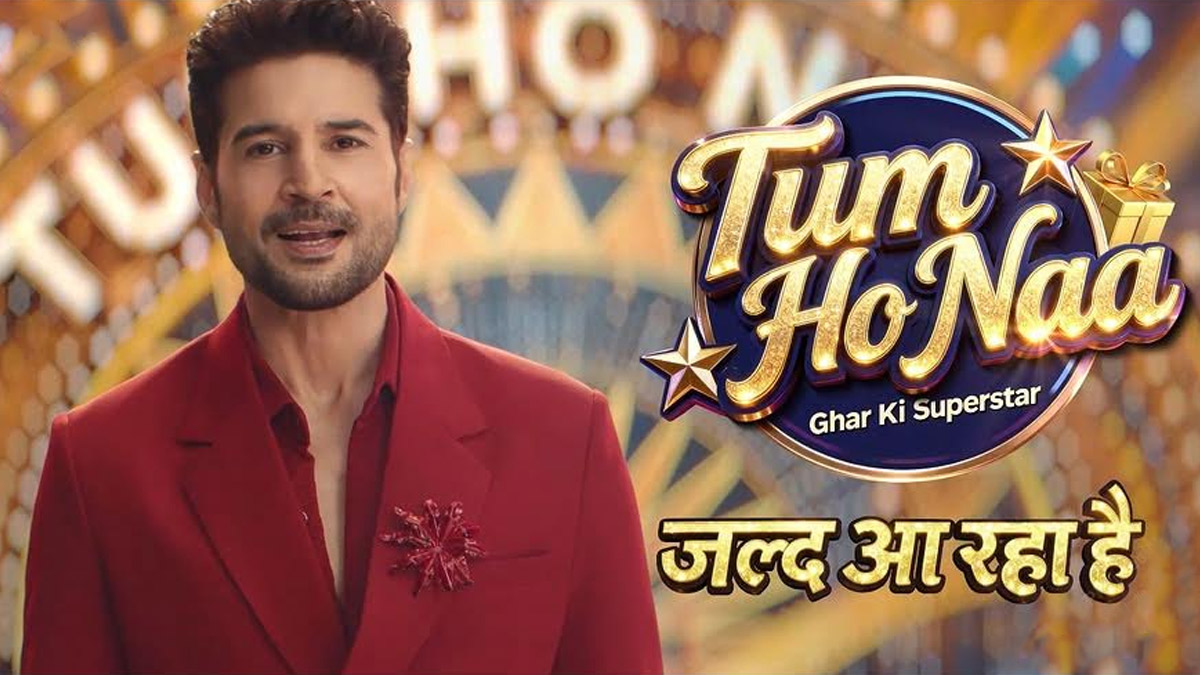
MUMBAI: Lights, camera… connection because this time, the game isn’t just about winning, it’s about who’s with you. Sony Pictures Networks India is gearing up to launch a new reality game show, Tum Ho Naa, expanding its unscripted slate with a format that promises both emotion and engagement.
The show will premiere soon on Sony Entertainment Television and stream on Sony LIV, with Rajeev Khandelwal stepping in as host. Known for his measured screen presence and selective choices, Khandelwal’s return to television adds a layer of familiarity and credibility to the upcoming format.
While specific details of the gameplay remain under wraps, the positioning suggests a reality format that leans as much on emotional resonance as it does on competition, an increasingly popular blend in Indian television, where audiences are gravitating towards content that offers both stakes and storytelling.
Khandelwal, reflecting on his return, noted that his choices have often been guided by instinct rather than convention, describing Tum Ho Naa as a project that feels “close to the heart”. His association also signals Sony’s continued focus on anchoring new formats with recognisable faces who bring both relatability and depth.
The launch comes at a time when broadcasters are doubling down on original non-fiction formats to drive appointment viewing, even as digital platforms expand parallel reach. By placing the show across both linear television and OTT, Sony appears to be aiming for a dual-audience strategy capturing traditional viewers while engaging digital-first consumers.
As the countdown to premiere begins, Tum Ho Naa positions itself not just as another game show, but as a reminder that sometimes, the biggest prize on screen isn’t the jackpot, it’s the journey shared along the way.






