High Court
Early hearing on ‘India’s Daughter’ ban refused; HC to hear case on 11 March

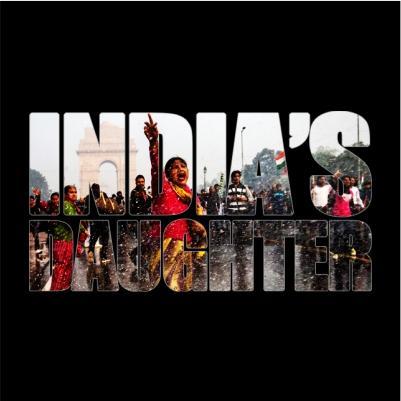
NEW DELHI: Even as the film continues to be available on internet, the Delhi High Court refused to give urgent hearing to a public interest litigation (PIL) seeking lifting of the ban on telecast of a controversial documentary India’s Daughter featuring an interview of one of the four convicts in the 16 December gang rape case.
A bench of justices B.D. Ahmed and Vibhu Bakhru said there is no such urgency in the matter and it will be heard on Wednesday (11 March).
The court’s response came after two law students — Arun Menon and Kritika Padode — sought urgent hearing in their PIL, saying the ban on the documentary is a clear violation of their fundamental rights under Article 19 of the Indian Constitution.
The Information and Broadcasting Ministry also issued an advisory to all television channels to not broadcast the documentary.
The government has sought an explanation from Tihar jail authorities over how the convict was interviewed while being in judicial custody.
A similar petition was filed last week, by a law student, who sought lifting of the ban on the ground that it is “nothing but an honest look at the mind and mindset of one of the convicted rapists of the young woman.”
Today’s plea also sought direction to the Bar Council of India to expedite action against the two lawyer — advocate A.P. Singh and M.L. Sharma — who had allegedly made derogatory anti-women remarks in the documentary.
The plea also said that a direction be issued to the Supreme Court registry to constitute a three judge special bench to hear the appeals of the four death row convicts, which is pending since 25 August, 2014. The apex court in July had stayed the execution of the four convicts in the gang-rape and murder case.
The other petition prepared by Vibhor Anand said that the public at large wanted to see the documentary as within 24 hours of its being put up on YouTube, it was viewed by more 2.86 lakh people.
Meanwhile, another bench of the High Court hearing another case relating to rape pulled up the Central and Delhi government for failing to make even a single documentary or use the visual medium in any manner to educate people about the nature of sexual offences and the stringent punishments involved.
It also noted the ‘disgusting’ trend of people in high positions to make ‘vile’ statements while voicing their tasteless anti-women opinions. “What is in bad taste are the irresponsible and vile statements made very often by erudite people who hold reputable positions and place in diverse fields, and show no signs of shame while voicing their warped and misogynistic ideals,” said the court.
“We express our disgust and displeasure at the apathy and insensitivity of the Union of India and Delhi Government for having failed to take steps to produce even a single documentary or for that matter take the help of any other visual media to educate the people of Delhi, about the nature of sexual offences concerning women and child and create awareness amongst them about the existing laws and stringent punishments provided against such offences despite several directions having been given by this Court,” observed the division bench consisting of Justice Kailash Gambhir and Sunita Gupta, while also comparing this apathy to the efforts of a foreigner.
“In contrast, one individual, a British filmmaker, could make a documentary film on the brutal gang rape that has managed to kick up a storm and trigger a furore in India,” said the court while hearing an appeal against a judgement sentencing a rape accused.
The court further noted that the freedom of expression guaranteed under the Constitution was not absolute. “Clause (2) of Article 19 of the Indian Constitution enables the legislature to impose certain restrictions on free speech. And, these reasonable restrictions should be kept in mind by one and all before giving vent to their opinions and views.”
Meanwhile, the news channel NDTV on International Women’s Day (8 March) showed a blank screen at the time slated for the telecast with only a visual of a lamp, the words ‘India’s Daughters’ and a scroll running beneath it putting out statements issued by the Editors Guild of India and others.
The Guild slammed the government’s move to ban the film, calling the ban wholly unwarranted and based on misunderstanding of the power and the message behind the film.