DTH
Dish TV reports profits in first full quarter post merger with Videocon d2h

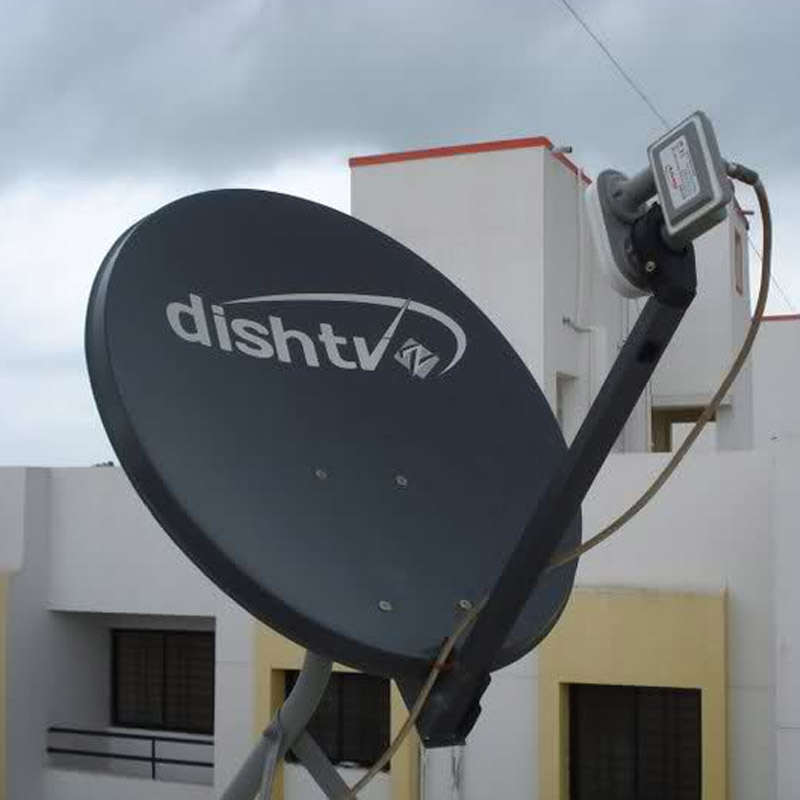
BENGALURU: Indian direct to home (DTH) behemoth Dish TV India Limited (Dish TV) reported profit after tax (PAT) of Rs 22.5 crore for the quarter ended 30 June 2018 (Q1 2019, quarter under review). Dish TV and Videocon d2h were merged on 22 March 2018 and hence Q1 2019 was the first full reporting quarter for the merged entity. In the immediate trailing quarter – Q4 2018, the company had reported more than four times the PAT of Q1 2019 at Rs 118.2 crore, but that could be attributed to differed tax to the extent of Rs 147.1 crore. In Q1 2019, the company reported differed taxes to the extent of Rs 1.8 million.
Since results of the year ago quarter are not comparable, a quarter on quarter (q-o-q) comparison of the numbers of the joint entity has been done here. Operating profit or EBITDA in Q1 2019 was Rs 556.8 crore as compared to an adjusted EBITDA of Rs 400.6 crore in Q4 2018. The company says in its earnings release that adjusted EBITDA is EBITDA adjusted for merger expenses to the tune of Rs. 600 million booked in Q4 2018 that have been excluded while calculating adjusted EBITDA.
The company reported an eight percent q-o-q increase in operating revenue for the quarter under review at Rs1,655.6 crore as compared to Rs 1,532.4 crore in Q4 2018. Dish TV says that subscriber additions picked up speed during the first quarter. The net number of 301 thousand additions took Dish TV’s subscriber base to 2.33 crore.
The company says that higher revenue is attributed to an 8.1 percent q-o-q increase in subscription revenue for Q1 2018 at Rs 1,489.3 as compared to Rs 1,377.1 crore. Incrementally higher HD viewership, lower discounts at package levels and a price hike across a majority of recharge packages brought about this increase in subscription revenues during the quarter. Dish TV says that 44 percent of all subscriber additions were of High Definition and that in total, HD subscribers formed 17 percent of the total net base of the company. ARPU for the quarter increased to Rs 214 from Rs 201 in the previous quarter.
Dish TV CMD Jawahar Goel said, “Price hikes initiated during the quarter were a result of some pricing power gathered over the months. It is a positive sign and should stand us in good stead in the year ahead. The first quarter often sets the pace for the full year. Our performance in the first quarter gives us the confidence to deliver in line with our expectations going forward.”
“We remain positive on achieving the Rs 5.1 billion synergies that we have envisaged from the merger for the current fiscal. Part of the estimated synergies are going to be due to a more rational programming cost. Our interactions with our broadcasting partners so far reinforce our belief in the strength of the new Dish TV platform,” added Goel.
Let us look at the other numbers reported by Dish TV
The merged Dish TV’s consolidated total expenditure reduced 2.9 percent q-o-q in Q1 2019 to Rs 1,098.9 crore from at Rs 1,131.7 crore in Q4 2018. Cost of goods and services in Q1 2019 increased 1.7 percent q-o-q to Rs 884.1 crore from Rs 868.9 crore. Employee benefit expense during the quarter under review reduced 13.7 percent to Rs 57.7 crore from Rs 66.8 crore in Q4 2018. Finance cost in Q1 2019 increased 33.5 percent q-o-q to Rs 177.5 crroe from Rs 132.9 crore. Other expenses in Q1 2019 reduced 19.9 percent q-o-q to Rs 157 crore from Rs 195.97 crore.