DTH
Dish TV plans to raise $200 mn via equity

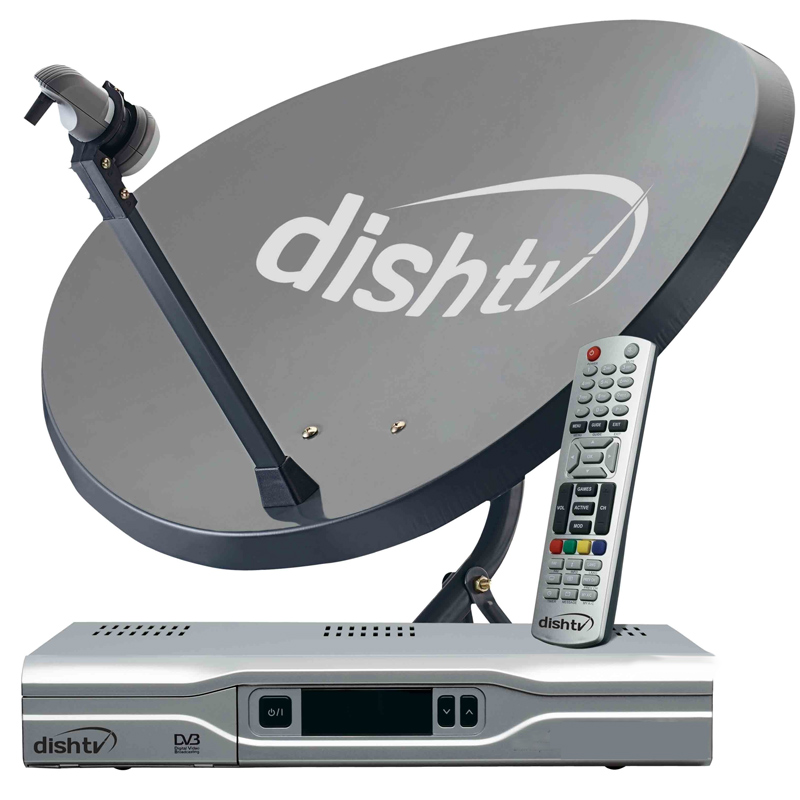
MUMBAI: Dish TV, India’s largest DTH operator in terms of subscribers, plans to raise up to $200 million via the equity route to fund its expansion programme.
The promoter holding stands at 64.8 per cent, providing enough leverage to raise capital by either issuing equity shares or through equity-linked instruments.
Dish TV had earlier taken an enabling resolution to raise up to $200 million, following which it had got US-based Apollo Management to invest $100 million in November 2009.
“We do not have any plans to raise this amount in the near future. It is an enabling resolution that we have taken,” Dish TV CEO RC Venkateish tells Indiantelevision.com.
Dish TV has a cash balance of Rs 4.5 billion and is looking at ramping up 3.1 million subscribers this fiscal to take its total base to the 10 million mark. The customer acquisition cost for the direct-to-home (DTH) service provider has dropped from Rs 2147 in the first quarter of FY’11, but still stands at Rs 2083 in Q2.
“The company does not have any fund requirement at this stage. Perhaps, it wants to build a war chest and utilise the cash if there is a business opportunity. Dish TV may not raise capital in the short run,” says a media analyst who tracks the DTH sector.
In a cricket-heavy year, the DTH sector expects to mop up 11 million subscribers this fiscal. Dish TV expects the trend to continue in the next fiscal as well.
For the second-quarter this fiscal, Dish TV has added 0.76 million subscribers and claims to have a robust 27 per cent incremental market share. In the first six months of this fiscal, Dish TV has mopped up 1.4 million new subscribers.
Says Dish TV India chairman Subhash Chandra, “With 2.8 million subscribers added in the second quarter, the overall market for DTH in the country has already grown to more than 26 million households. In a strong six player market, incremental share over and above a secular number is laudable. Dish TV with an incremental market share of 27 per cent continues to deliver industry leading performance.”
The company’s net loss has narrowed to Rs 452 million for the three-month period ended September, from Rs 631 million in the trailing quarter. In the year-ago period, the DTH operator had posted a net loss of Rs 562 million.

Dish TV’s revenues stand at Rs 3.29 billion, representing a six per cent growth over the trailing quarter and a 27.4 per cent growth over the year-ago period. While subscription revenue accounts for Rs 2.7 billion (up 8 per cent from previous quarter), lease rental is at Rs 550 million.
The Ebitda for the quarter under review stands at Rs 523 million, up from Rs 391 million posted in the previous quarter.
Dish TV has been able to maintain its ARPU (average revenue per user) at Rs 139 million despite sizeable customer acquisitions. Low ARPUs, however, remain a matter of concern.
Says Chandra, “While ARPUs in India remain significantly under-priced compared to similar economies in the world, there exists substantial headroom for growth. Dish TV’s efforts to enhance them with a trade-off between ARPUs and subscriber acquisition is heartening.”
Dish TV is making efforts to lift its ARPUs. Says Dish TV managing director Jawahar Goel, “Our game changing initiatives and strategic marketing resulted in increased stickiness on the higher value packs and maintenance of ARPUs despite huge activations. In our endeavor to strengthen the overall ARPU levels, amongst other things, a price hike across two popular packs was announced towards the end of the second quarter, the impact of which should be visible in the forthcoming quarters.”
Dish TV has reduced its content cost as a percentage of subscription revenue to an all time low of 39 per cent. In the previous quarter, the content cost stood at 41 per cent.
Dish TV’s gross subscriber base stood at 8.3 million for the quarter ended September 2010, while the net subscriber base was 6.8 million. Subscriber churn remained constant at 0.7 per cent per month.
Advertising expenditure for the first six months was at Rs 430 million, well in line with the overall fiscal’s budget of Rs 950 million.
“We remain on track to meet our guided acquisition target as well as budgeted revenue and profitability. With recent pricing and operational initiatives, our focus on driving margin improvements and cash generation gets further strengthened,” says Goel.