DTH
Dish, NAB & others urge FCC to deny Charter-Time Warner Cable merger

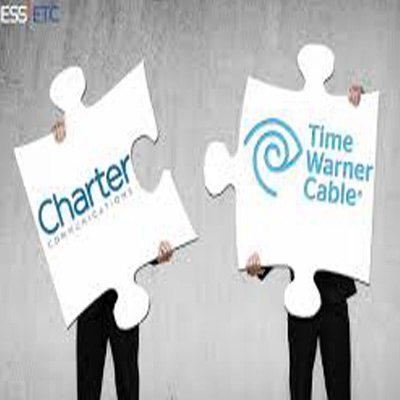
MUMBAI: The Charter Communications, Inc – Time Warner Cable, Inc merger is facing a lot of opposition from broadcasters.
The National Association of Broadcasters (NAB) has filed a petition with the Federal Communications Commission (FCC) that it should not approve the merger unless it is also willing to change broadcast ownership rules, which limits the number of radio and TV stations that a single entity can own.
Joining the NAB is Dish Network Corp, which has filed a petition with the FCC to deny the proposed merger citing substantial harm to competition and consumers. Additionally, set top box maker Zoom Telephonics also asked the FCC to deny the said merger between the two over the issue of access to third-party modems.
As broadcast ownership rules limit mergers, NAB said that broadcasters have far less negotiating power than big cable companies, which will only get bigger if the FCC allows the latest cable merger to proceed.
According to the NAB, the greater imbalance will harm broadcasters in retransmission consent negotiations, in which cable operators pay broadcast stations for the right to air their channels.
NAB said that if the pending merger was approved, then the top four multichannel video programming distributors (MVPDs) will control 79 per cent of the nationwide MVPD market, measured in terms of subscribers, and the top three alone, according to SNL Kagan, “will control two-thirds of the video delivery universe.” If consummated, the merger also would exacerbate concentration levels at the local and regional levels, with clear implications for consumers, as empirical research has shown that large, clustered cable companies charge higher prices than smaller, unclustered ones.
The creation of yet another pay-TV behemoth would further competitively disadvantage local broadcast stations kept by outdated ownership rules from achieving a fraction of the vital economies of scale and scope that MVPDs enjoy and, as the FCC has recognized, can advance the public interest. The gross regulatory disparities between the pay-TV and the free-TV industries are illustrated in any number of ways, including the sheer size of MVPDs compared to TV broadcasters. The market capitalization of the combined AT&T/DIRECTV, for example, is more than 200 times larger than the market cap of several of the most sizable broadcast TV companies. New Charter – which the merging parties describe as “modest” in size – will have a market capitalization 72 times larger than some of the biggest broadcast TV station groups. Beyond this national scale, single pay-TV providers control access to significant percentages of viewers in many local markets. Even standing alone, Time Warner Cable (TWC), for instance, controls over 40 percent of the total MVPD market in 30 different Designated Market Areas (DMAs), and in eight DMAs, TWC’s share of the entire MVPD market exceeds 60 percent. Broadcast TV stations unable to combine under the FCC’s local TV ownership rule are at a notable disadvantage in negotiating retransmission consent agreements with such locally and nationally consolidated MVPDs.
On the other hand, Dish Network Corp’s petition to deny the merger, outlines, among other things, the critical role that high-speed broadband plays in the video industry and the potential for the merger to significantly damage competitive development of over-the-top (OTT) video and limit consumer access to online video programming.
Dish Network said that the merger presents risk of significant harms:
New Parties, Same Harms: The proposed transaction would be no better for the public interest than the one proposed between Comcast and Time Warner Cable.
A Suffocating Duopoly: The transaction will create a suffocating duopoly. Where a Comcast/Time Warner Cable merger would have created one behemoth, this transaction will result in two broadband providers (Comcast and New Charter) controlling about 90 per cent of the nation’s high-speed broadband homes between them.
Threats to Online Video: The top two cable providers post-merger will not need to collude in order to bring their collective weight to bear on an online video distributor (OVD). Parallel foreclosures, with one of the two following the other, would be enough for an OVD to be shut off from most of the homes in the country.
Concentration of Broadband Subscribers: The impact of New Charter would cause a significant proportion of the combined company’s high-speed broadband subscribers to lack access to alternative high-speed broadband options. Indeed, Charter admits that almost two-thirds of households in the New Charter footprint will not have access to at least one alternative high-speed broadband provider. For these customers, switching ISPs is not just an inconvenience, but an impossibility.
Choke Points on the Charter/TWC Broadband Network: New Charter would have a panoply of foreclosure techniques at its disposal. It would be able to foreclose or degrade the online video offerings of competing MVPD and OTT video providers at any of three “choke points”: (1) the points of interconnection to the combined company’s broadband network, in effect the “on ramp” to the New Charter network; (2) the “public Internet” portion of the pipe to the consumer’s home; and (3) managed or specialised service channels, which can act as super HOV-lanes and squeeze the capacity of the “public Internet” portion of the New Charter broadband pipe. In addition, New Charter would have increased leverage that it could use to coerce third-party content owners and programmers to withhold online rights from online video platforms, thereby stifling a source of competition and innovation in the video industry.
Sling TV CEO Roger Lynch states, “I believe that the proposed merger…. would cause significant and irreparable harm to emerging competitive online video products and services, as well as the performance of traditional satellite television service, ultimately reducing competition and choice for consumers. Accordingly, I believe that the merger as currently constructed is not in the public interest and should be denied.”