iWorld
Discover iconic Bollywood classics on National Cinema Day with Tata Play Binge

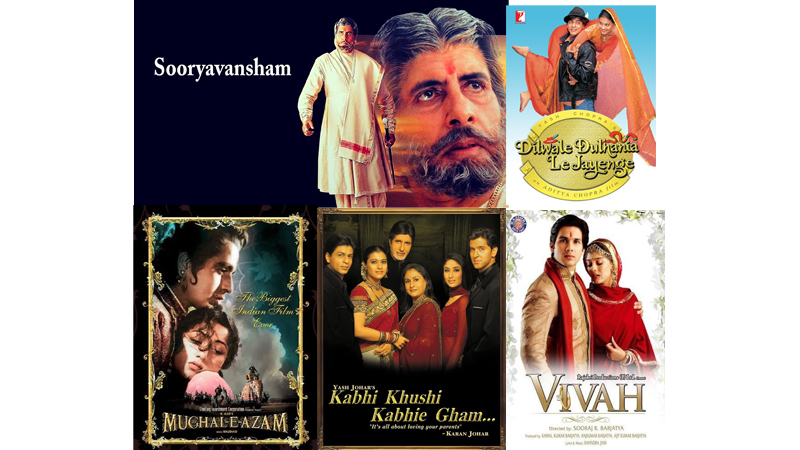
Mumbai: Cinema, a mesmerizing art form, has painted our lives with endless stories, laughter, tears, heart-thumps and created unforgettable memories. National Cinema Day celebrates this love for cinema by bringing us closer to the art. In the spirit of this celebration, Tata Play Binge, the aggregator platform that is home to over 22 OTT apps, brings a meticulously curated list of Bollywood classics that embody the very essence of Indian cinema. From powerful action to heart-melting romance to moving drama, the platform is home to all and more. On this special day, join us in embracing the magic of movies and reliving iconic moments from some of Bollywood’s biggest hits that epitomises Indian cinema’s signature storytelling. These movies have been responsible for making what the world sees as Bollywood today!
Mughal-E-Azam on Zee5
This iconic classic was released in 1960, Mughal-e-Azam is a timeless Indian historical drama directed by K. Asif. Featuring a stellar ensemble cast including Prithviraj Kapoor, Dilip Kumar, and the beautiful Madhubala, it was the highest-grossing film of the yesteryear that went on to grab the Filmfare Award in 1961 for ‘Best Film’ as well as the ‘National Film Awards’ for ‘Best Feature Film in Hindi.’ Mughal-e-Azam became such an iconic part of Indian cinema that it was re-released in color, allowing a new generation of viewers to experience its grandeur and timelessness. Mughal-e-Azam has single-handedly been the stepping stone of Bollywood Cinema which has not only created an audience for such movies but have also paved the way for writers and makers to explore compelling storylines.

Sooryavansham on Sony Liv
Sooryavansham should be made the unofficial flag bearer of movies that people watch for guilty pleasure. Featuring the legendary Amitabh Bachchan in a dual role, the movie is an endearing Bollywood classic that exudes family-centric charm and melodrama. Notably, this iconic movie earned Amitabh Bachchan the prestigious Best Actor Award by the All India Critics Association (AICA) in the year 2000 and became the most telecasted film on television!
Dilwale Dulhania Le Jayenge on Apple TV+
DDLJ, short for Dilwale Dulhania Le Jayenge, is an iconic Indian cinematic masterpiece, redefined the romantic genre and solidified Shah Rukh Khan’s status as the ‘King of Romance’. The movie was a huge blockbuster earning it the Filmfare Awards, National Film Award, Screen Awards and most recently the Star Box Office India Awards for ‘Box Office India Milestone’ in 2014. DDLJ continues to successfully run in old Mumbai theaters till date making every generation fall in love with King-Khan and have over promising expectations from love stories in general!
Vivah on Lionsgate Play
With the tagline journey from engagement to marraige and featuring the talented duo Shahid Kapoor and Amrita Rao, this movie is a heartwarming tribute to the institution of arranged marriage in Indian culture. The film was declared a hit and became one of the biggest commercial successes of the year, establishing Shahid as a leading actor in Bollywood. And yes, it’s the source of the memorable “Jal lijiye” meme that continues to tickle the funny bone of enthusiasts.
Kabhi Khushi Kabhie Gham on Netflix
Affectionately known as K3G and masterfully directed by the maestro Karan Johar, this cinematic extravaganza boasts an ensemble cast of legends including Amitabh Bachchan, Shah Rukh Khan, Kajol, Hrithik Roshan, Jaya Bachchan, and Kareena Kapoor Khan. The film bagged a Filmfare for Kajol as Best Actress while winning the cast many more awards as it broke box office records and was the second highest-grossing film in India that year. It also marked a new era of Hindi films releasing internationally, paving the path for Indian cinema to reach a global audience.
Nayak on Disney+ Hotstar
Directed by the visionary S. Shankar, this Indian political drama, featuring Anil Kapoor and Rani Mukerji takes audiences on a captivating journey through the tangled web of political corruption, media influence, and the moral obligations of public figures. It was one of the most expensive movies of its time. Even though it bombed at the box office, it managed to gather a cult following, primarily because of its theme and still finds an audience every time it runs on television.
Wondering how to get the subscription of these OTT apps? We have Tata Play Binge for you. Viewers can avail the entire package of 22+ apps (Disney+ Hotstar, Apple TV+, ZEE5, SonyLIV, Hallmark Movies Now, MX Player, Lionsgate Play, Aha, VROTT, Sun NXT, ReelDrama, Chaupal, Namma Flix, Planet Marathi, manoramaMAX, Koode, Tarang Plus, Hungama Play, Eros Now, ShemarooMe, Curiosity Stream, Voot Kids, EPIC ON, Travelxp, DocuBay, and ShortsTV) and Games under one subscription, in one app, without having to subscribe or remember the password of every app. Sounds amazing? It is amazing!!
Please Note: Netflix and Amazon Prime Video plans are available for Tata Play DTH subscribers only.
Download the Tata Play Binge app to enjoy the best of entertainment across over 22 OTT platforms.
Tune into Tata Play Binge where the finest classics from diverse platforms unite celebrating the enduring magic of cinema.






iWorld
Crocs India ropes in Rakesh Bedi for quirky new digital campaign
Veteran actor brings humour and nostalgia to brand’s latest ‘Crocshake’ film.
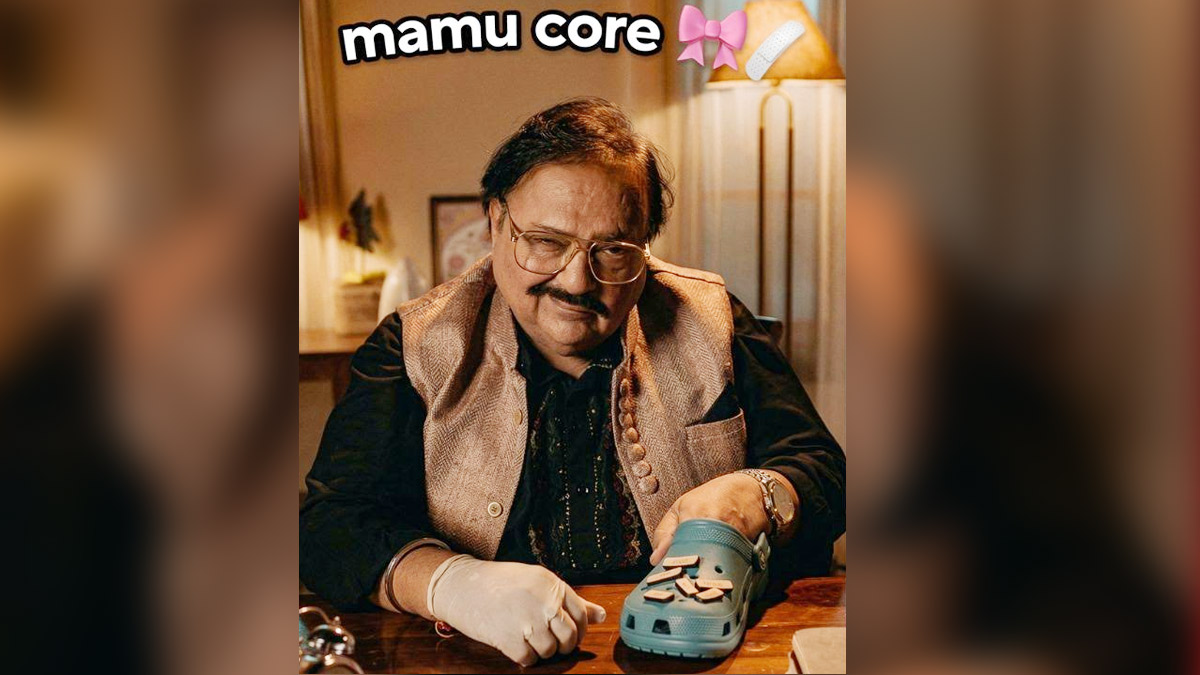
MUMBAI: Crocs has decided to shake things up quite literally by teaming up with veteran actor Rakesh Bedi for its latest digital campaign. The campaign, conceptualised by One Hand Clap, cleverly taps into the current wave of nostalgia and character-led content. It features Rakesh Bedi, who is currently enjoying renewed popularity after Dhurandhar, in a series of increasingly chaotic yet humorous everyday situations.
At the centre of the film is a simple handshake that spirals into a chain of unexpected twists, culminating in the fun “Crocshake.” The light-hearted narrative highlights how ordinary social moments can turn into memorable ones, perfectly aligning with Crocs’ brand ethos of individuality, comfort, and self-expression.
Crocs India country manager Manoj Juneja said the campaign reflects the brand’s desire to stay culturally relevant. “This collaboration with Rakesh Bedi blends humour, nostalgia, and contemporary trends to create content that entertains and sparks conversations,” he noted.
Rakesh Bedi added, “What I loved about this campaign was how naturally the humour came through. It takes a simple, everyday situation and turns it into something completely unexpected. It’s always exciting to be part of something audiences can instantly connect with.”
The campaign builds on Crocs India’s ongoing strategy of creating relatable, digital-first storytelling that resonates with a wide audience while staying true to the brand’s playful personality.
In a crowded footwear market, Crocs continues to stand out by keeping things fun, comfortable, and conversation-worthy proving once again that sometimes all you need is a good shake (or Crocshake) to make your mark.







