International
Director Kaneto Shindo dies at 100
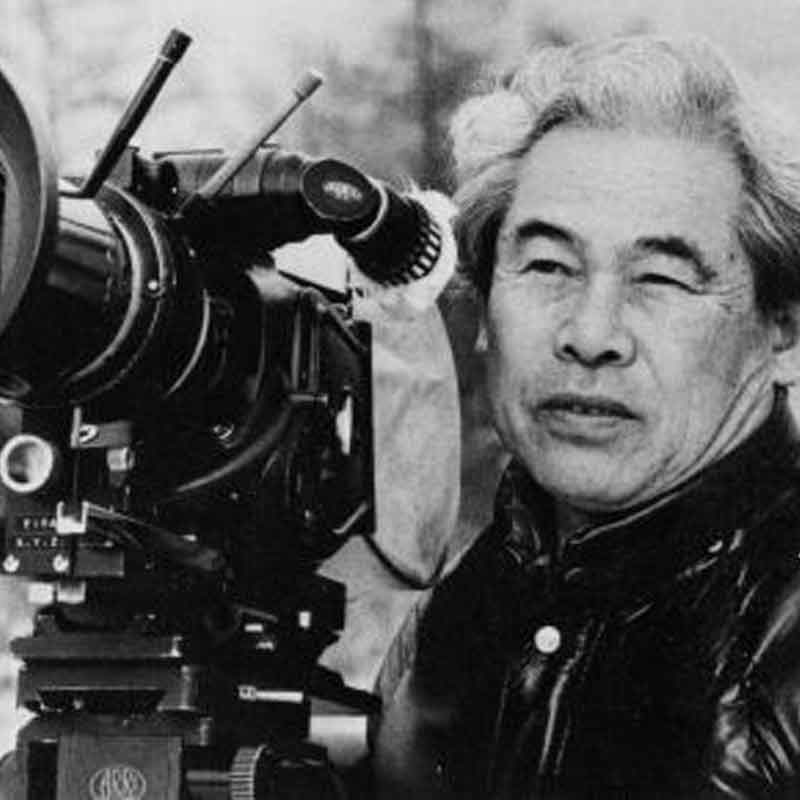
MUMBAI: Director Kaneto Shindo, whose last film Postcard was Japan‘s foreign language Oscar entry this year, passed away at his home in Tokyo yesterday morning. He was 100.
Postcard was based partly on the director‘s own experience in World War II when he was one of only six survivors of a unit of 100 middle-aged men called up toward the end of the conflict. He shot Postcard at the age of 98, despite being wheelchair-bound and suffering from failing eyesight.
“The crew had worked with him many times before, so they understood what his vision was. It was very emotional when they finished shooting as he knew it would be the last time they worked together,” Jiro Shindo, the director‘s son who acted as producer for Postcard had reportedly said late last year.
Born in Hiroshima, Shindo entered the film business when he was 22, later working under legendary director Kenji . His career spanned nine decades, during which he directed 48 films and wrote 238 scripts.

International
Utopai Studios unveils 4K three-minute video generation for PAI platform
New Story Agent and editing tools aim to streamline AI-led filmmaking workflows
MUMBAI: Utopai Studios has announced a major upgrade to its PAI storytelling AI platform, introducing what it claims is an industry-first capability to generate three-minute videos in 4K resolution, alongside enhancements to its Story Agent feature.
The update, rolling out from April 15, expands the platform’s capabilities across the filmmaking process, from early concept development to post-production. The company said the new features are designed to help filmmakers maintain continuity across characters, scenes and visual styles, a key challenge in AI-driven storytelling.
At the heart of the release is a next-generation model that enables more structured narrative development, allowing creators to move more seamlessly from idea to execution. With tools such as multi-shot sequencing and multi-turn editing, the platform aims to give both studios and independent creators greater control over complex storytelling workflows.
Commenting on the launch, Utopai Studios co-founder and CTO Jie Yang said, “The next phase of AI in media will not be defined by isolated tools, but by systems that can carry story, continuity and collaboration across the full creative process.” He added that the update is a step towards enabling more practical, end-to-end narrative development at a professional level.
Echoing this, Utopai Studios co-founder and chief scientific officer Zijian He said, “Generative video is opening the door to a new production model, where creative ambition is less constrained by traditional cost and complexity.” He noted that the platform combines multimodal models with iterative editing to give creators more speed, control and consistency.
The company said PAI is already being used in professional film and television productions, particularly in Hollywood, for tasks such as pre-visualisation, scene design and post-production refinements. The latest update adds features including improved voice options, character consistency, unlimited editing and more flexible asset management.
Utopai also emphasised that its models are not trained on copyrighted material, positioning the platform as a cleaner alternative for creators and rights holders navigating the evolving AI landscape.
As AI continues to reshape content creation, Utopai’s latest push signals a shift from standalone tools to integrated systems, aiming to make high-quality filmmaking faster, more flexible and increasingly accessible.