iWorld
Digital industry to offer SD content to mitigate burden on cellular infra

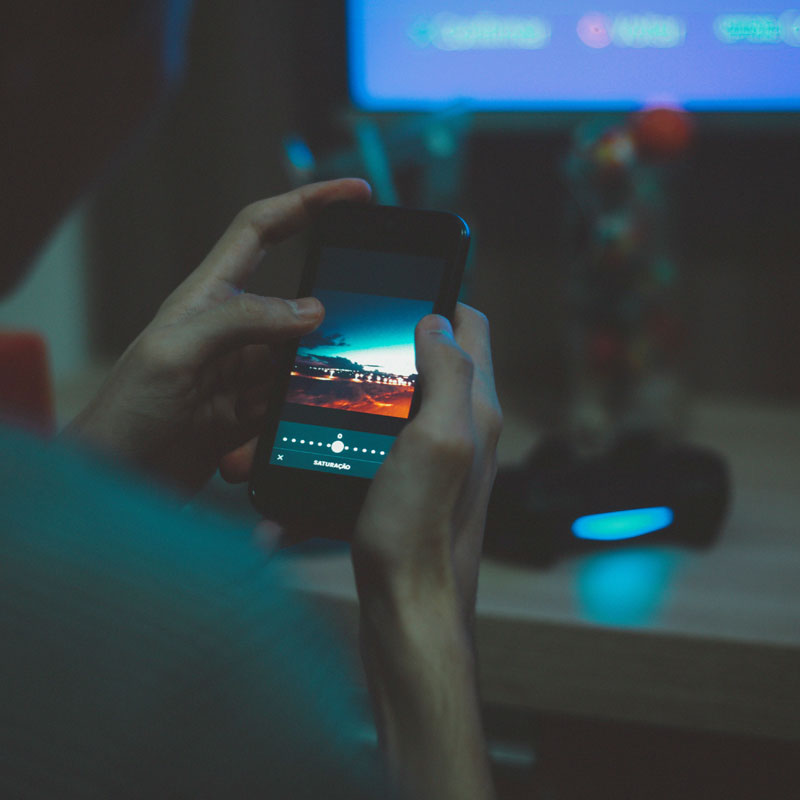
MUMBAI: Key digital industry stakeholders have decided that all companies will immediately adopt measures including temporarily defaulting HD and ultra-HD streaming to SD content or offering only SD content, at bitrates no higher than 480p on cellular networks in the wake of an unprecedented surge in mobile internet consumption caused by a total lockdown leading to people staying indoors.
The digital industry has decided that these voluntary measures will be in effect until April 14.
A meeting of key digital industry stakeholders was organised the other day by Star & Disney India chairman Uday Shankar, with key industry stakeholders. The meeting, held virtually, was attended by NP Singh (Sony), Sanjay Gupta (Google), Ajit Mohan (Facebook), Sudhanshu Vats (Viacom18), Gaurav Gandhi (Amazon Prime Video), Punit Goenka (Zee), Nikhil Gandhi (Tiktok), Ambika Khurana (Netflix), Karan Bedi (MX Player) and Varun Narang (Hotstar).

The Prime Minister’s call for social distancing and now a total lockdown has led to people staying at their homes. This has caused an unprecedented surge in mobile internet consumption. As a result, the government and the telecom operators are concerned about its potential impact on the cellular network infrastructure, said a press release.
The digital industry is aware of this challenge and is committed to ensuring that all citizens are able to access mobile networks wherever and whenever they want.



iWorld
OpenAI hits back at Elon Musk’s lawsuit ahead of trial
Company calls claims “baseless” and accuses Musk of trying to disrupt a rival.
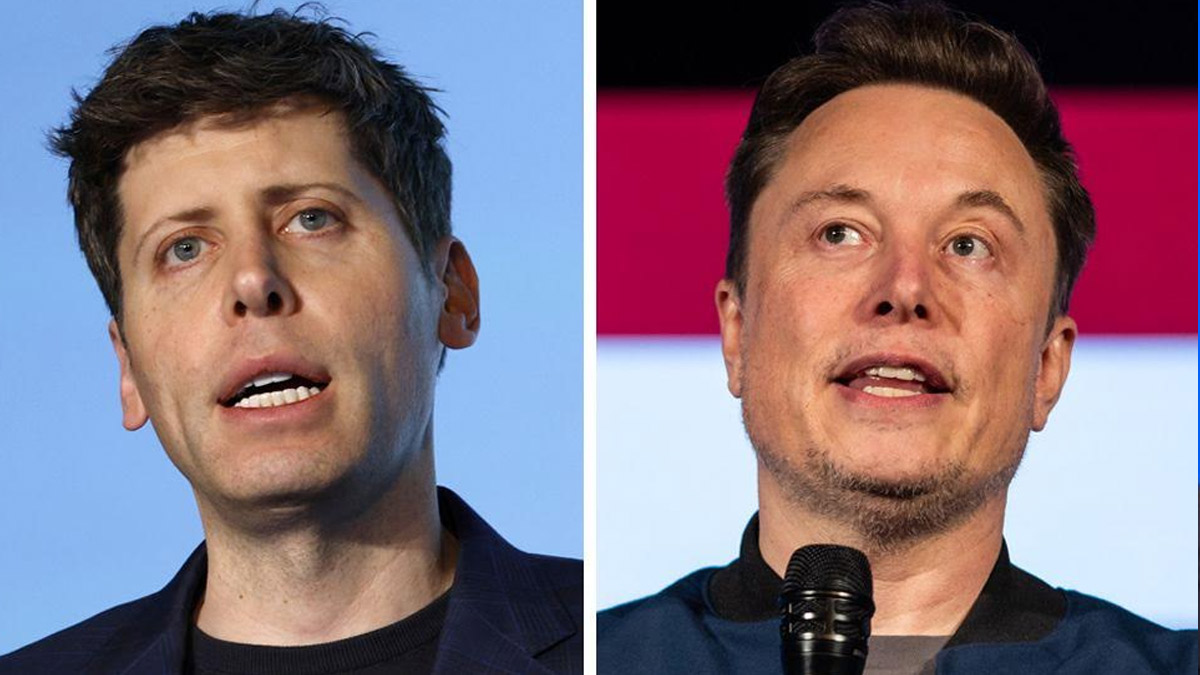
MUMBAI: When the stakes are measured in billions and egos are involved, even Silicon Valley titans can turn a courtroom into a battlefield. OpenAI has issued a sharp public response to Elon Musk’s ongoing lawsuit, accusing the billionaire of filing the case to harass a competitor rather than address genuine concerns. In a strongly worded statement shared on its official X account, OpenAI described Musk’s allegations as “baseless” and suggested the lawsuit is an attempt to disrupt the company as the case heads toward trial later this month in Oakland, California.
The response comes after Musk’s legal team recently amended the complaint, proposing that any damages potentially exceeding $150 billion should go to OpenAI’s nonprofit entity rather than to Musk personally. OpenAI questioned the timing and motive behind this change, calling it a late-stage attempt to “pretend to change his tune” on the nonprofit structure.
The company further labelled the lawsuit a “harassment campaign”, arguing that Musk’s actions are driven by personal rivalry, ego, and a desire for greater control and financial upside.
At the heart of the dispute is Musk’s claim that OpenAI has abandoned its original nonprofit mission of developing artificial intelligence for the benefit of humanity. A co-founder who left in 2018, Musk is seeking governance changes, including the removal of CEO Sam Altman from the nonprofit board, and the return of certain financial gains linked to Altman and President Greg Brockman.
OpenAI has firmly rejected these allegations, maintaining that its current hybrid structure, a public-benefit corporation overseen by a nonprofit parent remains true to its long-term goals. The company has also previously accused Musk of anti-competitive behaviour aimed at weakening its leadership.
As the case prepares for a jury trial, this public exchange highlights the deepening rift between two of the most influential figures in the AI revolution and raises broader questions about governance, mission, and power in the fast-moving world of artificial intelligence.
In the high-stakes game of AI, it seems the real drama isn’t just inside the models, it’s playing out in courtrooms too.






