Hindi
Delhi High Court grants copyright protection for Speedy Singhs

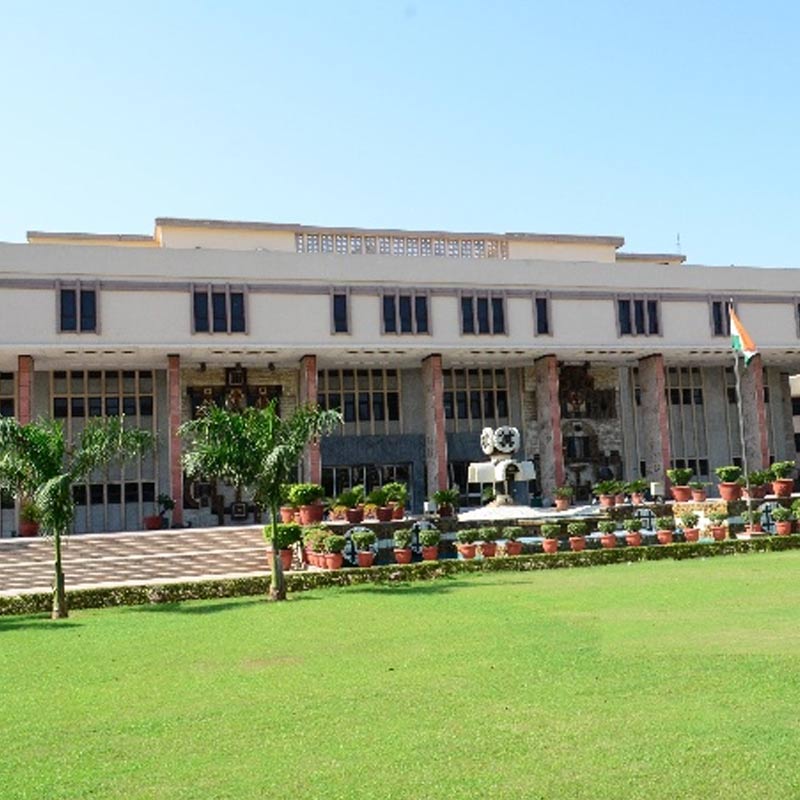
MUMBAI: Following that of Singham and Bodyguard, the Delhi High Court has given the much-needed relief to Hari Om Productions, producer of Speedy Singhs, towards its copyright protection a day before its release on 22 September.
The production house had moved the HC against a few cable operators and against unknown defendants for a temporary and permanent injunction for any copyright infringement.
After hearing the producer‘s lawyers, the Delhi HC passed the ‘John Doe Order‘ against all the defendants, including unknown persons, restraining them from, in any way displaying, releasing, showing, uploading, downloading, exhibiting, playing, defraying the movie Speedy Singhs, without a proper licence from its producers.

The order also restrains those who may wish to release or distribute the film without permission through CD, DVD, Blu-ray, VCD, Cable TV, DTH, internet, MMS, tapes, conditional access system or other media. The order is valid till December 19, 2011.
The term ‘John Doe Order‘ is used to describe an injunction sought against someone whose identity is not known at the time it is issued.
While the makers of Singham got the order from the Delhi High Court in July, Reliance Entertainment got the same in August for Bodyguard.




Hindi
Remembering Gyan Sahay, the lens behind film, television and advertising
From a puppet rabbit selling poppadums to Hindi cinema, he framed it all.
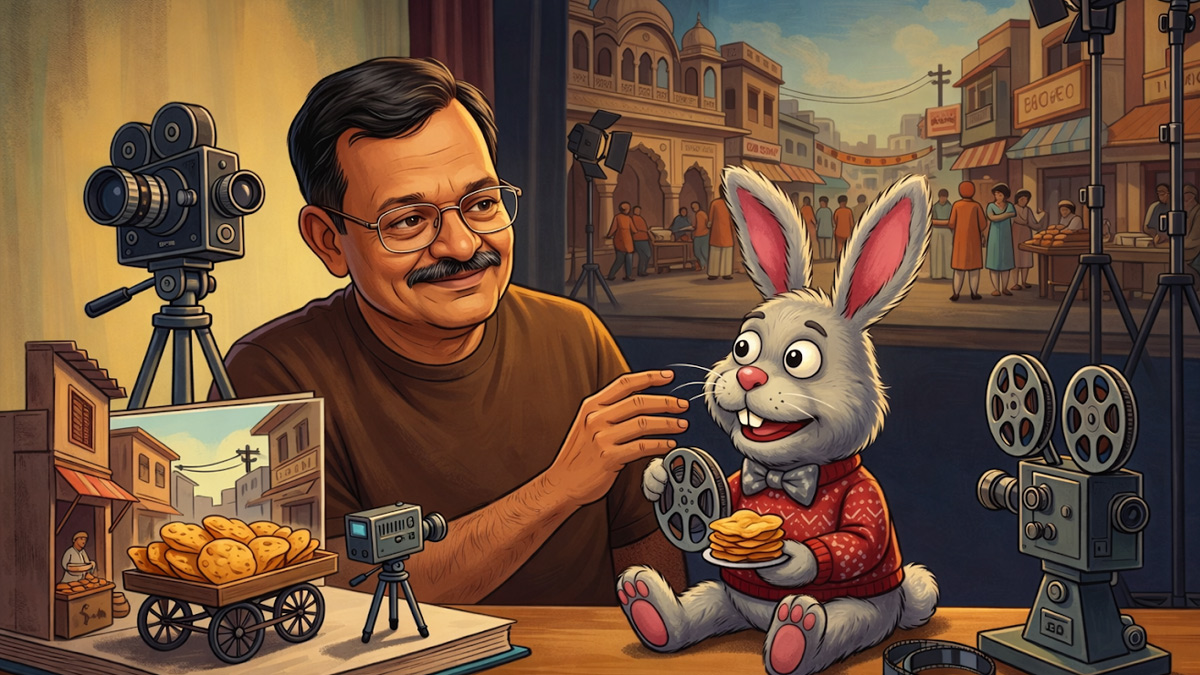
MUMBAI: There are careers, and then there are canvases. Gyan Sahay, the veteran cinematographer, director, and producer who passed away on 10 March 2026 in Mumbai, had one of the latter. Over several decades in the Indian film and television industry, he turned lenses, lights, and the occasional puppet rabbit into something approaching art.
A graduate of the Film and Television Institute of India (FTII) in Pune, Sahay built his reputation as a director of photography across a career that stretched from the early 1970s all the way to the digital age. He was the kind of craftsman who understood that a well-composed shot is not merely a technical achievement but a quiet act of storytelling.
For most Indians of a certain age, however, Sahay will forever be the man behind the rabbit. His direction of the iconic long-running television commercial for Lijjat Papad, featuring its now-legendary puppet bunny, gave the country one of its most cheerfully persistent advertising images. It was the sort of work that sneaks into the national subconscious and takes up permanent residence.
His big-screen credits as cinematographer include Anokhi Pehchan (1972), Pagli (1974), Pas de Deux (1981), and Hum Farishte Nahin (1988). In 1999, he stepped behind a different kind of camera altogether, making his directorial debut with Sar Ankhon Par, a drama that featured Vikas Bhalla and Shruti Ulfat, with a cameo by Shah Rukh Khan for good measure.
On television, Sahay was particularly prized for his command of multi-camera production setups, a skill that made him a go-to technician for large-scale shows and reality programmes. In an industry that has never been especially patient with complexity, he was the calm hand on the rig.
In later life, Sahay turned teacher. He participated regularly in masterclasses and Digi-Talks, often hosted by organisations such as Bharatiya Chitra Sadhna, sharing hard-won wisdom on cinematography, the comedy of timing in a shot, and the sweeping changes brought by the shift from celluloid to digital. He was also said to have been involved in a project concerning a biographical film on Infosys co-founder N.R. Narayana Murthy.
Tributes from the film industry poured in following the news of his passing, with colleagues remembering him as a senior cameraman who served as a rare bridge between two entirely different eras of Indian cinema. That is, perhaps, the finest thing one can say of any craftsman: he kept up, and he brought others along with him.