High Court
Delhi HC wants to know if DTH players can run FM channels and VAS
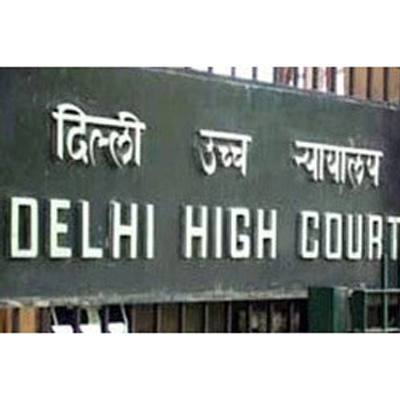
NEW DELHI: The Delhi High Court has sought a response of the Information and Broadcasting Ministry and six direct-to-home (DTH) operators on a public interest litigation seeking to restrain DTH service providers from carrying any channel or value added service (VAS) which are not registered with or permitted by the government.
The court passed the order on the plea of Hyderabad-based NGO Media Watch-India (MWI) which alleged that DTH service providers carry self-promotion advertisements in violation of uplinking and downlinking guidelines.
Listing the matter for 4 March next year, a bench of Chief Justice G Rohini and Justice P S Teji issued notice to the Ministry as well as six DTH providers – Bharti Telemedia, Tata Sky, Dish TV, Sun Direct TV, Reliance Big TV and Bharat Business channel.
Counsel Gaurav Kumar Bansal said that value added services like ‘movie on demand’ or games are provided without specific licence from the Ministry. The NGO has said that even FM radio channels are being illegally provided and has sought orders restraining the DTH operators from providing these services.
The petitioner contended that the Ministry instead of taking action against these entities has been playing the role of a spectator while “statutory guidelines are being flouted with impunity by the private DTH operators”.
Meanwhile, the Telecom Regulatory Authority of India (TRAI) had recently issued a consultation on regulating platform services of service provider including MSOs cable operators and DTH operators and has also given the recommendation on 19 November which are under consideration of the Ministry.

High Court
Bombay HC likely to protect Kartik Aaryan’s personality rights
Actor seeks Rs 15 crore damages over AI misuse, deepfakes and merch
MUMBAI: In an age where faces can be faked and voices cloned, even stardom needs legal armour. The Bombay High Court has indicated it will pass an order safeguarding the personality and publicity rights of Bollywood actor Kartik Aaryan, following allegations of widespread digital misuse of his identity.
The matter, heard by Justice Sharmila U. Deshmukh, centres on a plea filed by Aaryan seeking a broad John Doe injunction against 16 defendants, including e-commerce platforms, social media intermediaries and unidentified entities. The court noted the concerns raised and said appropriate orders would be issued.
At the heart of the case lies the growing threat of artificial intelligence-driven impersonation. Aaryan’s petition flags multiple instances of deepfake content circulating across platforms such as YouTube and Instagram, where his likeness has allegedly been used to create fabricated videos, including false romantic link-ups and objectionable scenarios designed to drive engagement.
In one particularly alarming example, the actor’s legal filing cites AI-generated visuals that falsely associate him with controversial global figures, including Jeffrey Epstein. The plea argues that such content not only misleads audiences but also causes serious reputational damage.
The concerns extend beyond content to commerce. The suit alleges that unauthorised merchandise bearing Aaryan’s name and image is being sold across platforms such as Amazon, Flipkart and Redbubble, without his consent. Additionally, the actor has raised red flags over AI-powered chatbots that mimic his voice and simulate conversations, warning of potential misuse in fraudulent activities.
Aaryan’s filing underscores that he is the registered proprietor of the trademark “Kartik Aaryan”, with his name, voice and likeness carrying significant commercial value. The unauthorised use of these attributes, the plea states, leads to “immediate and irreparable harm” to his goodwill.
Seeking both preventive and punitive relief, the actor has requested a permanent injunction restraining entities from exploiting his identity in any form be it name, voice, signature or distinctive dialogue style. He has also sought damages amounting to Rs 15 crore for alleged commercial misappropriation and reputational loss.
The case highlights a larger legal and cultural moment, where the lines between reality and replication are increasingly blurred. As AI tools become more accessible, courts are now being called upon to define the boundaries of identity in the digital age, where a face may be famous, but control over it is no longer guaranteed.