High Court
Delhi HC refuses to lift ban on ‘India’s Daughter;’ says media trial influences judges


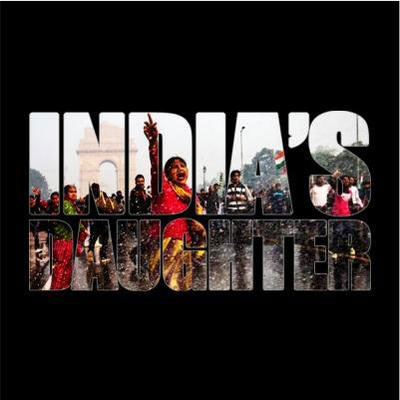
NEW DELHI: The Delhi High Court today refused to stay the ban on BBC’s documentary India’s Daughter by British filmmaker Leslee Udwin on the Nirbhaya gang rape of December 2012, saying the case was sub judice in Supreme Court and allowing its display in the masses could affect the case.
Justices BD Ahmed and Sanjeev Sachdeva said media trials tend to influence judges by subconsciously creating pressure. Although the judges said they were prima facie not opposed to airing of the documentary, it should be released after the Supreme Court decides the appeals of the convicts in the matter.
“Media trials do tend to influence judges. Subconsciously a pressure is created and it does have an effect on the sentencing of the accused/ convict,” it said in support of its observation.
The bench was of the view that the documentary could “interfere with the justice system” but refused to pass any interim orders. “Had it been originally placed before us, we would have asked you to place material before us on why the ban should be lifted. But it has come here from the roster bench of Chief Justice, so we will not pass any interim orders.”
Observing that airing of the video could make or ruin the case of one of the rape convicts, Mukesh, it said, “Whether he has shown remorse or not would be considered at the time of his sentencing. Why not wait till the Supreme Court decision?”
On the contention that ban on airing of the video till the apex court judgement could also lead to gag on reporting of all sub judice matters, the bench said, “We agree.” It said that earlier media had a self-imposed code of not reporting sub judice matters, but now “media has thrown it (the code) to the winds.”
The Central government represented by advocate Monika Arora opposed airing of the documentary saying it would give a platform to the convict to air his views and that it also contains derogatory statements against the victim.
She also said that the Information and Broadcasting Ministry only issued an advisory to cable TV networks to abide by the magisterial court’s order banning airing of the documentary.
The petitioners claimed that since the documentary was freely available on the Internet, and its viewing by lakhs of people had caused no untoward or law and order situation, there are no grounds for banning the video. The petitioners also said that parts of the convict’s interview are already part of the judgment in the case by the trial court and High Court and thus are public records.
The court had earlier refused to give urgent hearing after three law students –Vibhor Anand, Arun Menon and Kritika Padode– in their two separate PILs said “fundamental right of freedom of speech and expression have been infringed due to government’s illegal action to ban the broadcast.” They had approached the High Court after a trial court on 4 March had banned until further orders the broadcast of the interview of 16 December, 2012 gangrape convict Mukesh Singh, allegedly conducted in July 2013 inside Tihar jail.
Earlier, a trial court had restrained the media from broadcasting or publishing the interview of Mukesh Singh after the Delhi Police moved the court seeking the restraint. The Information and Broadcasting Ministry had also issued an advisory to all television channels not to broadcast the film or excerpts from it.
The pleas had sought lifting of the ban on the ground that it is “a look at the mindset of one of the convicted rapists.” One of the pleas had also sought direction to the Bar Council of India to expedite action against the two lawyers — advocate AP Singh and ML Sharma — who had allegedly made derogatory anti-women remarks in the documentary. It also claimed that the parents of the gangrape victim have not objected to the telecast of the documentary.
Meanwhile, Udwin told the Los Angeles Times that the Indian government should hang its head in shame for banning her film.
However, the government claims she was permitted to interview the convicts in jail when she said was doing research and would not use the film for commercial purposes. The film has already been aired in several countries including the United States and the BBC4 in the United Kingdom. NDTV was to have aired the film on International Women’s Day but could not do so in view of the ban.