News Broadcasting
‘Dance Revolution’ to debut on CBS in September


MUMBAI: CBS and DIC Entertainment (DIC), in collaboration with Konami Digital Entertainment Inc., are set to produce a new dance competition series, Dance Revolution, to debut on 16 September 2006 on CBS’s Saturday Morning Secret Slumber Party branded programming block.
Dance Revolution (previously titled Dance, Dance, Dance!), a live-action television series inspired by Konami’s hit video game franchise Dance Dance Revolution (DDR), will join the new schedule of programming on CBS’s Saturday Morning Secret Slumber Party.
The series will encourage physical activity. Dance Revolution complements the programming block’s overall theme of promoting healthy, balanced active lifestyles.

The line-up of previously announced programming to debut on CBS’s Saturday Morning Secret Slumber Party includes Cake, Horseland, Kooky Kitchen, Sabrina: The Animated Series, Trollz and Madeline, informs an official release.
In Dance Revolution, ‘tweens’ and teens bring their freshest moves to this sensational new dance competition where teams of dancers display their innovative routines.
“We are thrilled to partner with Konami to create a program that will entertain kids of all ages, and get them motivated, active and off the couch,” comments DIC Entertainment chairman & CEO Andy Heyward.
“We are focused on using CBS’s Saturday Morning Secret Slumber Party as a vehicle to address the national concern of obesity and inactivity among children by providing motivating and innovative entertainment.”
He adds, “We are excited to add this unique series to our schedule and to the international markets.”







News Broadcasting
CNN-News18 to host Fury in the Gulf conclave on West Asia crisis
Three-hour summit to unpack geopolitical fallout and impact on India
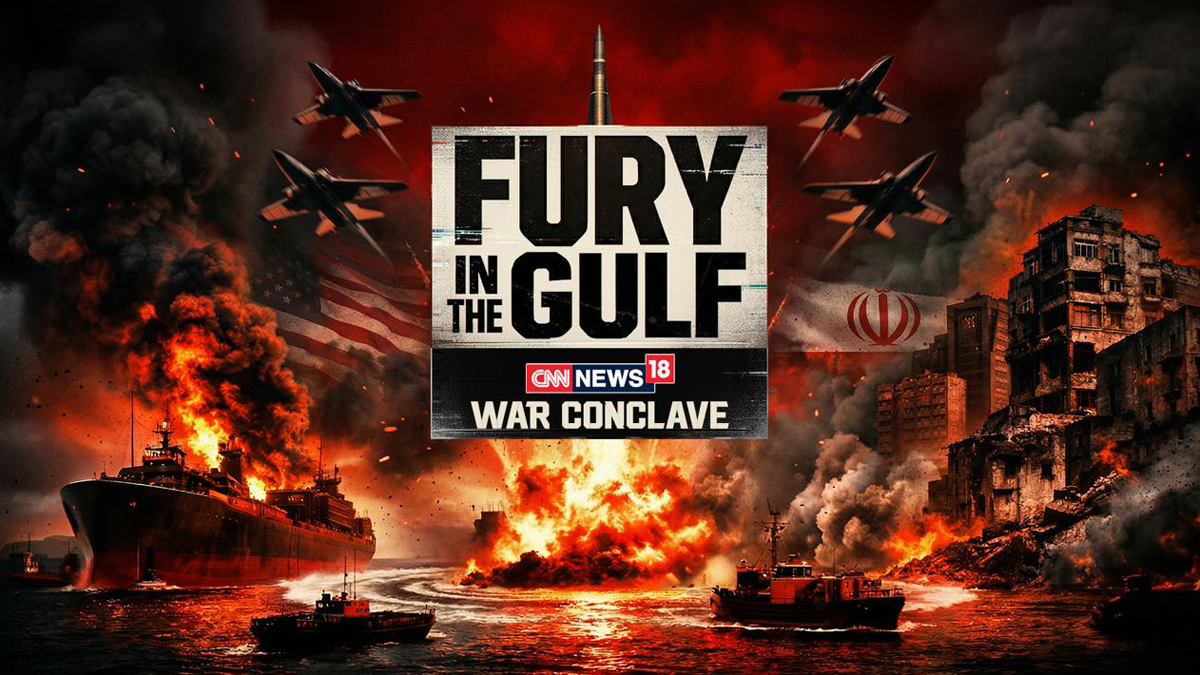
MUMBAI: CNN-News18 is set to host a special three-hour broadcast, Fury in the Gulf – War Conclave, on April 7, aiming to decode the escalating West Asia crisis and its far-reaching implications for India.
Scheduled from 4:00 PM to 7:00 PM, the conclave comes at a time when tensions between Iran and the United States are reshaping global geopolitics and triggering economic uncertainty. With India’s deep energy ties, trade links and large diaspora in the Gulf, the developments carry significant domestic relevance.
Built around the theme ‘Conflict, Consequences, and The Future,’ the programme will feature six curated sessions combining one-on-one interviews and panel discussions. The focus is to cut through the clutter and offer viewers a clearer understanding of the fast-evolving situation.
Key sessions include ‘Diplomacy in Times of War’ featuring Shashi Tharoor, and ‘World After the Iran Conflict’ with voices such as Ram Madhav, Reuven Azar, representatives from the European Union and the Iranian Deputy Envoy. Another session titled ‘Another Dunkirk?’ will bring together K. J. S. Dhillon and Jitin Prasada among others.
CNN-News18 editorial affairs director Rahul Shivshankar said, “In times of war, clarity becomes the most powerful tool. Fury in the Gulf – War Conclave brings together credible voices to address the questions and confusion that arise amid an overwhelming influx of information.”
He added that the initiative is aimed at delivering “facts, perspective, and insight” at a time when misinformation can easily cloud public understanding.
Echoing the sentiment, CNN-News18 CEO– English and business news Smriti Mehra said the conflict marks a defining global moment, with consequences that extend well beyond the region. She noted that the conclave seeks to present the crisis with “depth, nuance and responsibility” so audiences can better grasp its real-world impact.
As geopolitical tensions continue to dominate headlines, the conclave positions itself as an attempt to bring order to the noise, offering viewers a structured, insight-led look at a complex and rapidly shifting global situation.






