Hindi
Curtains for Cinemas?: Industry pins hopes on vaccine roll-out amid second wave

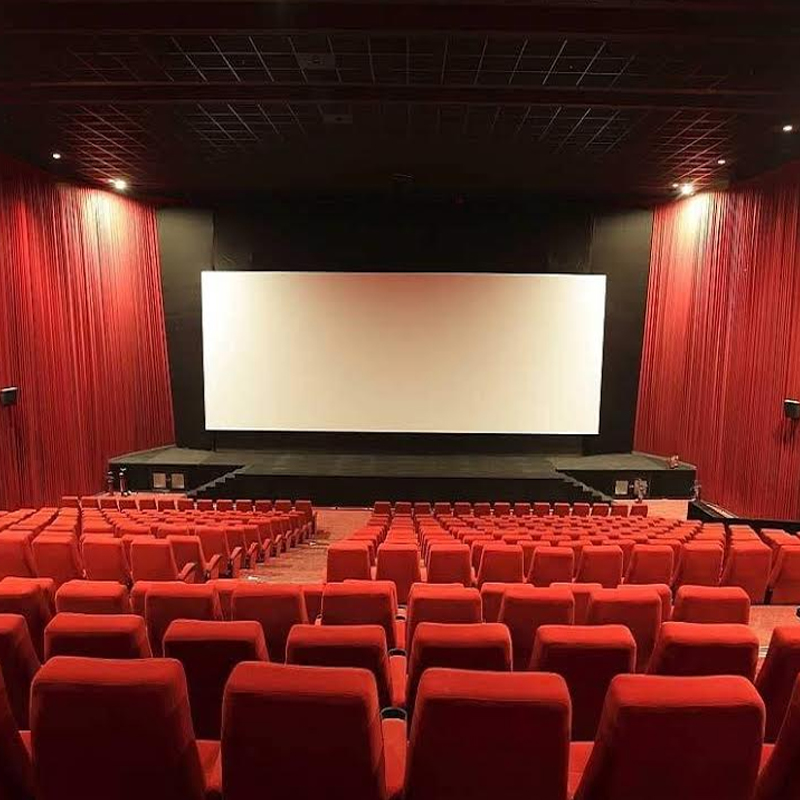
KOLKATA: The film entertainment segment of the M&E industry was perhaps the worst hit due to a long-term closure induced by the outbreak of Covid2019. With phased opening and beginning of theatrical releases, the allied segment had been on the course of recovery, but the second wave of the pandemic has abruptly derailed hopes of revival.
After fresh lockdown guidelines were enacted in Maharashtra, shares of major multiplex chains like Inox and PVR slipped for two consecutive days, given the fact that the state contributes to around 35 per cent of all India box office.
“As a responsible organisation, we completely relate to the Covid situation in Maharashtra. The revival process of the cinema industry had begun, and the recent curbs are much like a speed-breaker in the journey, which we shall surpass soon in a month’s time,” said Inox Leisure Ltd Alok Tandon.

He went on to add that the performance of movies like Roohi and Godzilla Vs Kong showed that audiences are willing to turn up in big numbers for new and good quality content, even after an elongated lockdown.
However, more than cinema occupancy, what’s adding to the woes of cinema owners is that the skyrocketing caseloads have once again disrupted the release calendar. Akshay Kumar-starrer Sooryavanshi, originally scheduled for March 2020, has been postponed indefinitely from its 30 April 2021 release date. Eventually other big ticket releases like Radhe will follow the same path, Elara Capital VP research analyst (media) Karan Taurani surmised.
Like a playback of last year, this lockdown too will be lifted in a phased manner based on the number of daily cases, opined Taurani. But this time around it may not be as troublesome as 2020, and unlock will happen more swiftly thanks to the vaccine roll out being ramped up. However, he pointed out that theatres may well be the last to open up even if cases come down.
On the other hand, Inox’s Tandon has reposed faith in upcoming content and increased turnout in the markets dependent on movies in other Indian languages, especially in the southern and eastern parts of the country. Over the past few months, movies like Master, Roberrt and Uppena had brought out the southern audiences in droves. Yuvarathnaa, Sulthan and Wild Dog are also currently performing exceedingly well in the South Indian markets, he added.
“With Covid cases rising again, there are two major factors which will determine the future of theatrical revenues. One is the fear factor which can lead to lower footfalls even if theatres are open. Secondly, the slate: some films have again started postponing their releases. Unless there is a mass vaccination drive properly rolled out and a solid film slate of releases, the situation is probably not going to improve meaningfully,” EY India partner and media & entertainment leader Ashish Pherwani remarked.
He also noted that the uncertainty around recovery timelines could result in further direct-to-digital releases, but that may not be a permanent trend. In a similar vein, Taurani mentioned that there is already a big backlog of films and April-June was supposed to be a period where cinemas could go back to 17-20 per cent occupancy on the back of big Hindi releases. Now, many of the mid-small budget producers will again go for OTT premieres.
Moreover, in-cinema advertising, which went down almost 90 per cent in 2020, will also be keenly impacted even if the theatres are open in some states.
“Artificial intelligence has actively taken over the cinema advertising space and this allows for delivering appropriate content depending on location of the cinema, ticket price, demographic and occupancy,” said Harkness Screens Asia EVP Preetham Daniel. “Though the occupancy levels in the auditoriums are not as high as pre-Covid, the value of the advertisement, I believe will be equally impacted. Having said this, the revenue from advertising will definitely take a hit. We had seen the occupancy numbers and box office rising but given the second wave, we may see it drop again as some large releases will now get pushed to June.”
The advantage of AI is the decision to play a particular ad will now be more accurate based on the heaps of data available on people behavioural pattern, he explained. This allows for brands to sign on long term as opposed to a weekly or monthly run. While Covid2019 also has affected the on ground activation campaigns for the brands, Daniel remained optimistic that it will eventually pick up as and when hyped movies hit cinema screens.
“Thanks to a huge pent-up demand and a stellar line up of movies, 2021 is destined to be a blockbuster year for us, and we are still certain about it. In the current situation, we have pinned our hopes on the rapid and widespread vaccination drive, which we hope would arrest the surge in cases,” Tandon said.







Hindi
Rashmika Mandanna, Shanaya Kapoor and Naila Grrewal climb IMDb’s Indian celebrity rankings
Upcoming films and returning shows are driving fan interest across Bollywood and streaming

MUMBAI: Bollywood’s popularity contest has a new weekly scorecard, and the numbers are telling. IMDb’s Popular Indian Celebrities list for this week places Shanaya Kapoor at number six, buoyed by buzz around her film Tu Yaa Main. Naila Grrewal slots in at seven on the back of the returning comedy series Maamla Legal Hai, while Rashmika Mandanna climbs to eighth, riding mounting anticipation for Cocktail 2.
The list, available exclusively on the IMDb app for Android and iOS, tracks trending Indian entertainers and filmmakers each week, drawing on data from more than 200m monthly visits to the platform worldwide.
Further down the rankings, Raaka is keeping two of its biggest names in the spotlight. Deepika Padukone holds 11th position, with Allu Arjun close behind at 13th, as the film continues to find traction with audiences.
The list offers fans a weekly pulse on who is breaking through, who is holding steady, and who is fading. It is a barometer as unsparing as the box office itself.







