iWorld
Criteo unveils commerce Max DSP and next-gen retailer monetization suite

Mumbai: Criteo (Nasdaq: CRTO), the commerce media company, today announced the general availability of its self-service demand-side platform (DSP), Commerce Max, giving brands and agencies a single point of entry to retail media inventory onsite and across premium publishers offsite. Complementing Commerce Max, Criteo is also expanding its retailer monetization solution suite, offering retailers the means to tap previously unattainable demand by paving the way for the integration of marketplace and in-store monetization technologies.
Retail media has proven extremely successful for retailers looking to grow additional revenue streams and brands and agencies looking to engage consumers actively in a buying mindset. Until now, however, fragmentation across the industry has held retailers, brands and agencies back from reaching their full potential with retail media.
“Our focus is enabling all commerce-driven companies to buy and sell audiences engaged in shopping. The process has to be frictionless, and it has to solve for fragmentation,” said Criteo CEO Megan Clarken. “With today’s launch, we’re equipping our clients with the right tools to cut through and connect in a more unified retail media ecosystem that ultimately creates more unity across the broader advertising marketplace.”

Driving Commerce at Scale
Commerce Max entered market testing in 2022 with leading consumer electronics retailer, Best Buy, and the world’s foremost media investment company, GroupM, as exclusive Alpha partner. Over this period, Commerce Max enrolled 10 retailers including Best Buy, Macy’s and Shipt. Retailers who have completed campaigns have more than doubled conversion rates on average when running both onsite and offsite advertising through the platform.
Industry Praise for Commerce Max
“Through Criteo we now have one point of entry to a pivotal retail media network, all within a single platform – Commerce Max – that applies the same KPIs to retail media as those we use for our programmatic buys,” said Unilever club team shopper marketing lead Billy Dyer following another successful test with GroupM and Unilever in which the brand’s conversion rate rose by over 400 per cent.
“Combining onsite and offsite targeting enables us to focus media spend across a broader part of the shopper funnel while finding the most suitable audiences wherever they are.”
“Shipt is known for having a unique member community that is loyal to our platform, and when coupled with Criteo’s onsite and offsite products and enhanced personalization features in our full-funnel offering, advertisers have found it to drive an ever greater return for their ad spend,” said Shipt VP, CPG partnerships David Young.
“We’re excited to be at the forefront of the rollout of the Commerce Max platform, starting with its initial testing phase and now its general availability,” said Mark Heitke, Director of Ad Products and Audience Strategy at Best Buy Ads. “The platform offers a variety of onsite and offsite capabilities, giving our brand partners even more options to reach our audiences in meaningful ways.”
Now in general availability, brands and agencies across the globe can use Commerce Max to access data and inventory across multiple retailers and marketplaces, finding valuable audiences on these sites and extending these audiences offsite. This is underpinned by closed-loop measurement, enabling advertisers to quickly and efficiently determine the effectiveness of campaigns and optimize accordingly.
Criteo is a leader and one of the first to bring digital measurement standards to retail media with Commerce Max. Criteo’s partnership with Integral Ad Science allows brands and agencies to measure viewability and invalid traffic on a retailer’s site across all ad formats, including native and sponsored products by 2024.
A Unified Approach for Retailers
The second component of today’s launch is the unveiling of Criteo’s retailer monetization solution suite. This suite marks the next phase in the development of Criteo’s core monetization technology, Commerce Yield, which will not only provide retailers and marketplaces with a complete media toolset but also serve commerce companies such as automakers, movie theatres, transportation services, airlines and more.
Commerce Yield combines Criteo’s former Retail Media Platform with several solutions derived from recent strategic acquisitions, including
Commerce Yield Marketplace: Through Criteo’s strategic acquisition of Mabaya, Commerce Yield Marketplace will help monetization officers integrate marketplace tactics and formats.
Commerce Yield In-Store: The powerful union of Brandcrush and Criteo’s in-store monetization technology, providing advertisers access to a wider range of offline inventory.
Commerce Yield Insights: Previously called Gradient, a cutting-edge suite of insight and data tools which provides digital-shelf insights to support enterprise-level retail media buys.
Criteo’s leadership team will unveil more details during a hosted event today, 12 September at 12p.m. Eastern Time. To watch the broadcast, click here.






iWorld
OpenAI hits back at Elon Musk’s lawsuit ahead of trial
Company calls claims “baseless” and accuses Musk of trying to disrupt a rival.
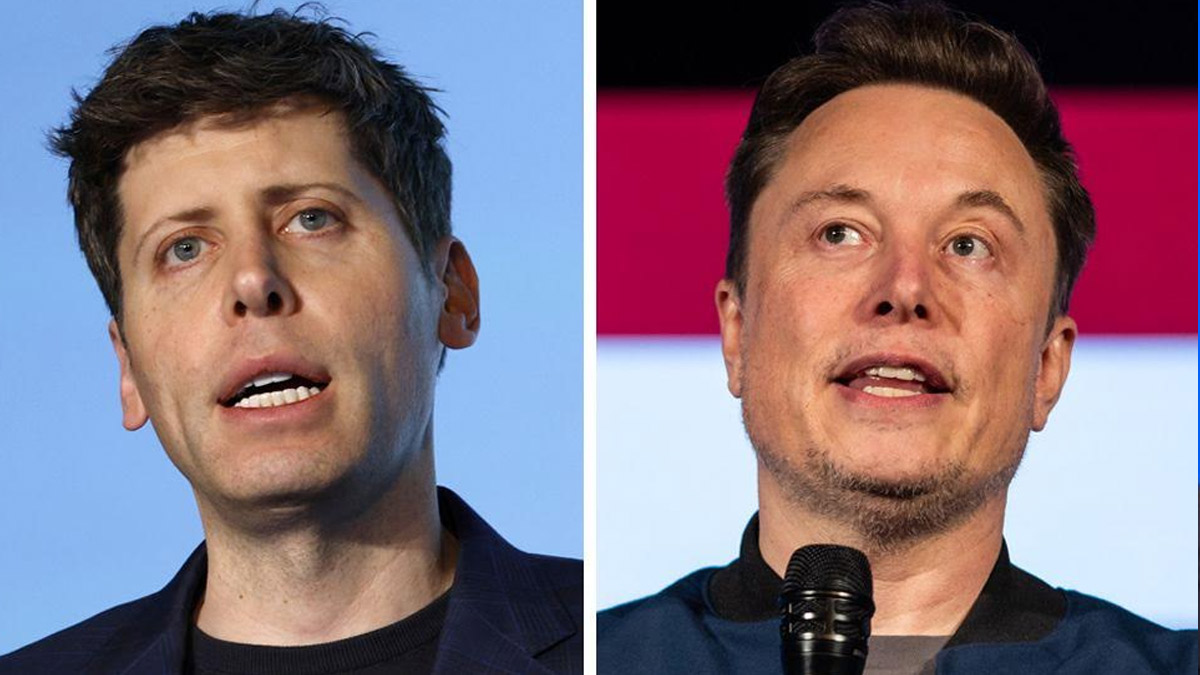
MUMBAI: When the stakes are measured in billions and egos are involved, even Silicon Valley titans can turn a courtroom into a battlefield. OpenAI has issued a sharp public response to Elon Musk’s ongoing lawsuit, accusing the billionaire of filing the case to harass a competitor rather than address genuine concerns. In a strongly worded statement shared on its official X account, OpenAI described Musk’s allegations as “baseless” and suggested the lawsuit is an attempt to disrupt the company as the case heads toward trial later this month in Oakland, California.
The response comes after Musk’s legal team recently amended the complaint, proposing that any damages potentially exceeding $150 billion should go to OpenAI’s nonprofit entity rather than to Musk personally. OpenAI questioned the timing and motive behind this change, calling it a late-stage attempt to “pretend to change his tune” on the nonprofit structure.
The company further labelled the lawsuit a “harassment campaign”, arguing that Musk’s actions are driven by personal rivalry, ego, and a desire for greater control and financial upside.
At the heart of the dispute is Musk’s claim that OpenAI has abandoned its original nonprofit mission of developing artificial intelligence for the benefit of humanity. A co-founder who left in 2018, Musk is seeking governance changes, including the removal of CEO Sam Altman from the nonprofit board, and the return of certain financial gains linked to Altman and President Greg Brockman.
OpenAI has firmly rejected these allegations, maintaining that its current hybrid structure, a public-benefit corporation overseen by a nonprofit parent remains true to its long-term goals. The company has also previously accused Musk of anti-competitive behaviour aimed at weakening its leadership.
As the case prepares for a jury trial, this public exchange highlights the deepening rift between two of the most influential figures in the AI revolution and raises broader questions about governance, mission, and power in the fast-moving world of artificial intelligence.
In the high-stakes game of AI, it seems the real drama isn’t just inside the models, it’s playing out in courtrooms too.






