iWorld
Content consumption on OTT apps increases the growth of smartphone users, finds ZEE5 Intelligence Monitor research

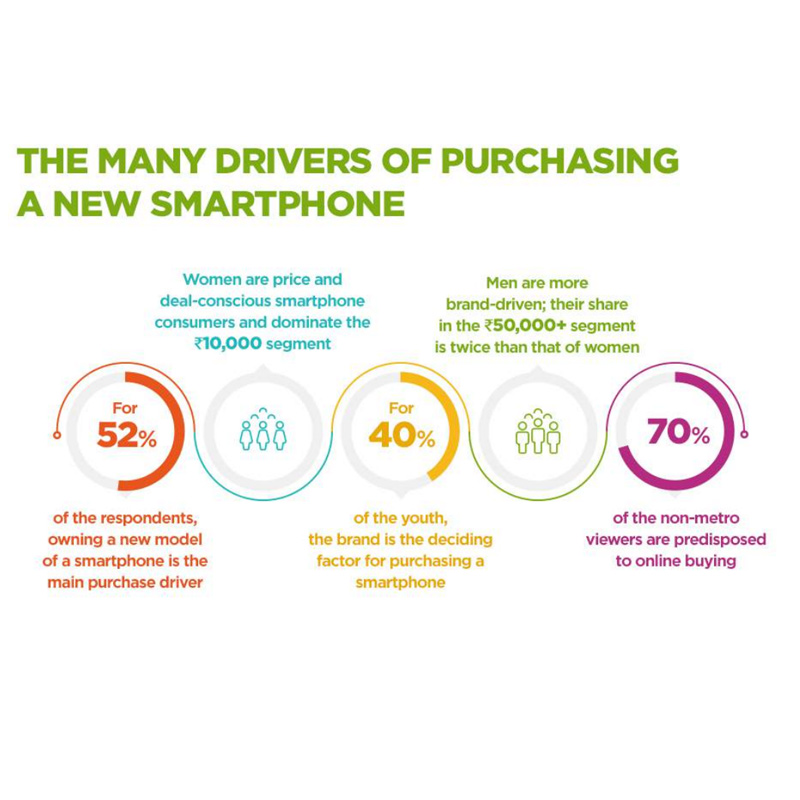
Mumbai: Over 50 percent of smartphone users in the metros are planning to replace their gadgets within the next six months, according to a research conducted by the OTT platform ZEE5.
In its fourth edition knowledge series ‘ZEE5 Intelligence Monitor’ report, the video streaming platform highlighted the latest trends prevailing in the Indian smartphone industry.
The ZEE5 research discovered the consumption of an exciting and wide variety of content on OTT apps is another new driver for this upward movement. The post-covid trend is to grab the latest model; with latest features’ scoring well above price as the key motivator.

The research also found that brand reputation, features and technology are the leading factors that determine consumers’ preferences. Moreover, two out of five viewers intend to purchase a phone which costs Rs 30,000 or above; with a higher tendency among the 35-44 age group. Besides uncovering the fascinating new consumer behaviour and the contrasting preferences between metro and non-metro consumers in their smartphones’ purchase and usage, the ‘ZEE5 Intelligence Monitor – Smartphones Consumer Insights and Trends Report’ also highlighted the symbiotic relationship between smartphones and OTT platforms.
Launching the report, ZEE Entertainment Enterprises chief operations officer – revenue Rajiv Bakshi said, “By deep diving into the smartphones segment, we have unearthed amazing new insights on user behaviour which can lead the brand marketers to attract millions of customers eager to upgrade and replace their smartphones. We hope this report will act as a guidebook for marketeers and smartphone brands and serve to be distinctive for the industry at large. Marketers and business leaders can use these findings to make smarter business decisions and hyper-target campaigns utilising the ZEE5 platform to connect with audiences in 12 languages.”
The report also said that 70 per cent of the non-metro respondents are inclined to buy their next smartphone online. The research revealed that men are more brand conscious and have twice the share of women consumers in the Rs 50,000+ segment. Women appear price and deal-conscious & dominate the Rs 10,000 segment.
ZEE5 Intelligence Monitor report also uncovered transformative consumer behaviour, attitudes, and aspirations across multiple industries ranging from e-commerce, EdTech, and online gaming to smartphones, presenting an unmatched opportunity to advertisers to access a hyper-enriched predisposed audience cohort across multiple demographics and geographies.






e-commerce
Instamart gold dig event at Hussain Sagar goes viral
Hyderabad activation ties to gold price lock offer ahead of Akshaya Tritiya
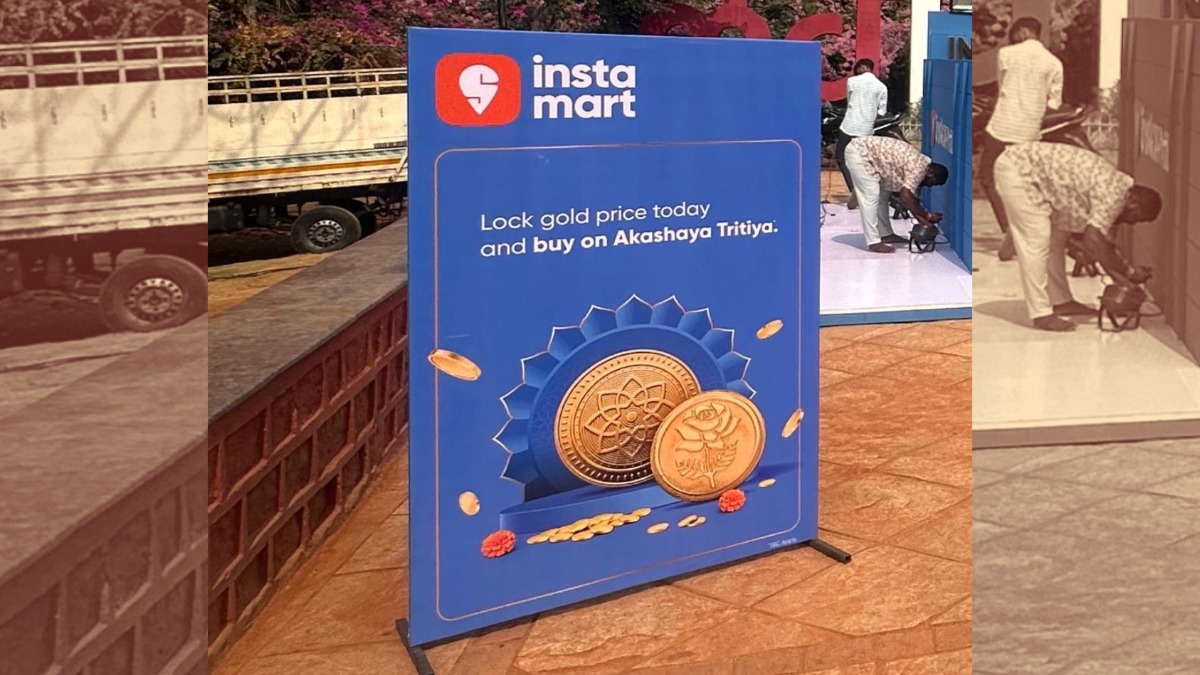
MUMBAI: All that glitters isn’t just gold, it’s also great marketing. A quirky on-ground activation by Instamart at Hussain Sagar Lake has turned into a viral spectacle, with videos of people digging for gold coins flooding social media feeds this week. The campaign, executed in collaboration with Moms, transformed a patch of the city’s iconic lakefront into what online users quickly dubbed a “mini gold rush”. Armed with spades, participants dug through a mud-filled pit in search of hidden gold coins, an activity that drew crowds, cameras and plenty of commentary online, ranging from amused disbelief to outright fascination.
At the heart of the frenzy was a promotional push for Instamart’s ‘Gold Price Lock’ feature, which allows users to secure prevailing gold rates between April 10 and April 16 and complete their purchase later during Akshaya Tritiya, a period traditionally associated with high gold buying. The mechanic cleverly blended physical participation with digital conversion, turning curiosity into a potential transaction.
Branded as ‘Gold Diggers’, the activation leaned into gamified engagement. Those who struck lucky walked away with coins, those who didn’t were nudged with a simple message: lock the price now, buy later. The result was a steady stream of footfall and a surge in user-generated content, as onlookers and participants alike documented the spectacle.
The timing is significant. India remains one of the world’s largest consumers of gold, with demand peaking around Akshaya Tritiya. Data from the World Gold Council suggests the festival alone accounts for roughly 25–30 tonnes of gold purchases annually, making it a high-stakes window for brands looking to tap into consumer sentiment.
As the ‘Gold Price Lock’ feature remains live until April 16, the campaign has already done its job turning a simple product feature into a citywide moment. Because sometimes, the quickest way to get people talking about gold isn’t to sell it, it’s to make them dig for it.