International
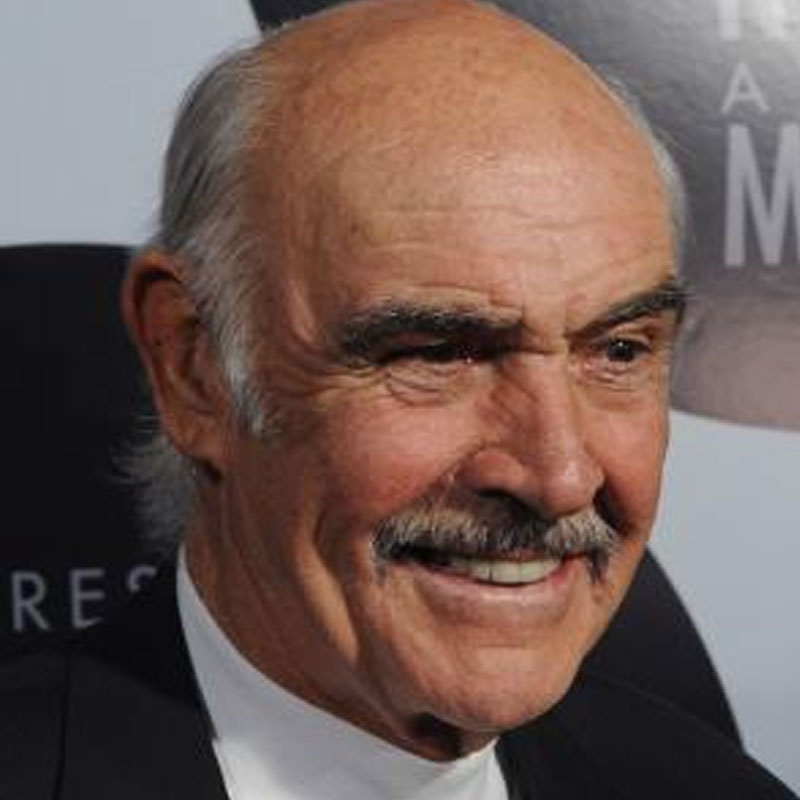
Connery voices for Scottish CGI film
MUMBAI: The Sonoma International Film Festival, that runs from 11 to 15 April, will host the US premiere of Sir Billi, the first full-length animated feature produced entirely in Scotland.
Said festival director Kevin McNeely in a statement, “We are thrilled to host the U.S. premiere of Sir Billi featuring the powerfully dynamic voice of Sir Sean Connery.”
The highlight of the film is that it has Sir Sean Connery doing the voice over of the title role, a skateboarding grandfather and veterinarian trying to save the last beaver in Scotland with the help of his goat Gordon voiced by Alan Cumming. Sascha Hartmann has directed the CGI project from a screenplay written by his wife Tessa Hartmann.
“Tessa and Sascha Hartmann have produced a highly entertaining, family oriented film that sizzles with fun, non-stop action and an awesome title track sung by Dame Shirley Bassey, which was composed by Sascha. Bring on the Scots!,” added McNeely.
Averred Conneryin a reported message, “”I‘m excited to be a part of this incredible film and Scotland‘s first animated feature,” said Connery. “Sir Billi is truly a first-class film, with an exceptional cast, and is sure to delight audiences of all ages. There‘s an incredible amount of work that goes into animated productions and I am delighted that Sascha and his team have completed what has been a labour of love.”
Sir Billi will screen at the 1930s Renaissance-style Sebastiani Theatre April 13.

International
Utopai Studios unveils 4K three-minute video generation for PAI platform
New Story Agent and editing tools aim to streamline AI-led filmmaking workflows
MUMBAI: Utopai Studios has announced a major upgrade to its PAI storytelling AI platform, introducing what it claims is an industry-first capability to generate three-minute videos in 4K resolution, alongside enhancements to its Story Agent feature.
The update, rolling out from April 15, expands the platform’s capabilities across the filmmaking process, from early concept development to post-production. The company said the new features are designed to help filmmakers maintain continuity across characters, scenes and visual styles, a key challenge in AI-driven storytelling.
At the heart of the release is a next-generation model that enables more structured narrative development, allowing creators to move more seamlessly from idea to execution. With tools such as multi-shot sequencing and multi-turn editing, the platform aims to give both studios and independent creators greater control over complex storytelling workflows.
Commenting on the launch, Utopai Studios co-founder and CTO Jie Yang said, “The next phase of AI in media will not be defined by isolated tools, but by systems that can carry story, continuity and collaboration across the full creative process.” He added that the update is a step towards enabling more practical, end-to-end narrative development at a professional level.
Echoing this, Utopai Studios co-founder and chief scientific officer Zijian He said, “Generative video is opening the door to a new production model, where creative ambition is less constrained by traditional cost and complexity.” He noted that the platform combines multimodal models with iterative editing to give creators more speed, control and consistency.
The company said PAI is already being used in professional film and television productions, particularly in Hollywood, for tasks such as pre-visualisation, scene design and post-production refinements. The latest update adds features including improved voice options, character consistency, unlimited editing and more flexible asset management.
Utopai also emphasised that its models are not trained on copyrighted material, positioning the platform as a cleaner alternative for creators and rights holders navigating the evolving AI landscape.
As AI continues to reshape content creation, Utopai’s latest push signals a shift from standalone tools to integrated systems, aiming to make high-quality filmmaking faster, more flexible and increasingly accessible.