iWorld
Concept Communication launches Avtr Meta Labs for genZ

Mumbai: Concept Communication has announced the launch of India’s first content-driven meta influencer company Avtr Meta Labs.
Avtr Meta Labs (AML) intends to launch on Instagram, YouTube, and other social media platforms to create digital/meta avatars aimed at generation Z, as well as to carve out a distinct place in content and influencer marketing.
AML’s focus will be to create short-form, snackable content for audiences to experience episodic content specifically tailored for social media platforms.
It launches Naina, a 20-year-old Digital Avatar hailing from Jhansi on Instagram and YouTube. “Like many other girls of my age group, I have come to Mumbai to fulfil my dreams of becoming a successful actor. I invite you all to follow me on Instagram and YouTube, become a part of my life journey and share my experiences. I have just come to Mumbai and I will need all the help I can get and I am counting on you all,” she commented.
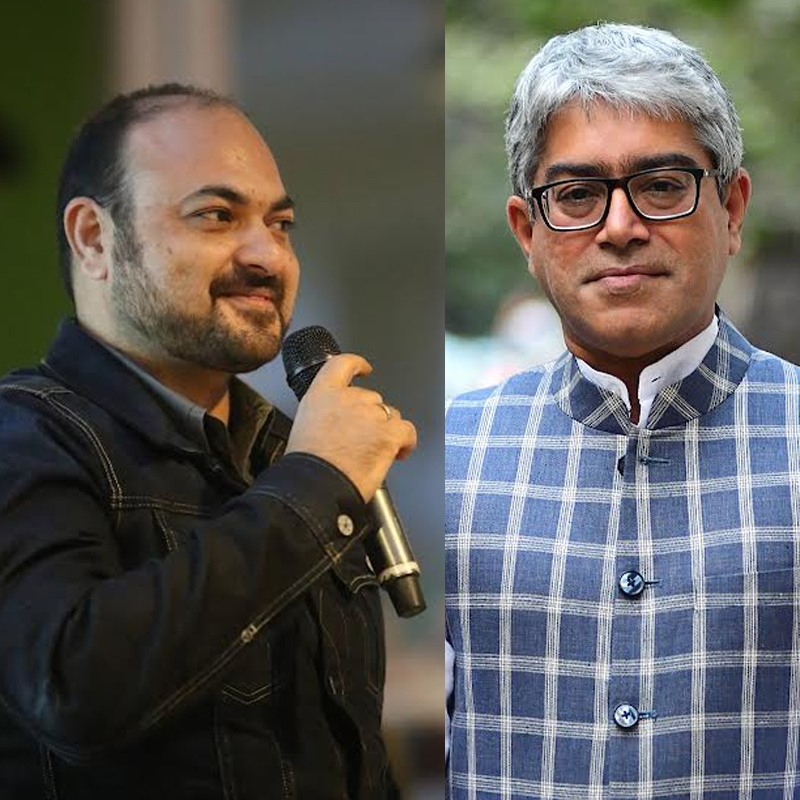
“With the launch of Avtr Meta Labs, we have once again delivered on our promise of investing in innovative and emerging technologies. Today, we have our investments and key people in artificial intelligence backed content creation, cloud storage, real-time tracking, consumer data and analytics, martech, etc. with companies like DigiBoxx, Concept BIU, 0101, and now, Avtr Meta Labs, all under the Concept umbrella, providing our clients with the best of creative tools and marketing technologies to empower sales,” said Concept Group chairman Vivek Suchanti.
AML co-founder and CEO Abhishek Razdan added, “At AML, our focus will always be on creating quality content that our audiences can relate to and that adds great value to their lives. We also understand that today’s generation is stretched for time and, therefore, we are introducing two-three minutes of episodic content, giving storytelling an altogether new dimension. While, globally, the meta influencer space is well established, it’s still a whole new category in India and with the launch of our first digital avatar, Naina, we are giving marketers and advertisers an entirely new playfield.”