Movies
Cinepolis opens first Imax location in Kochi; fifth in India

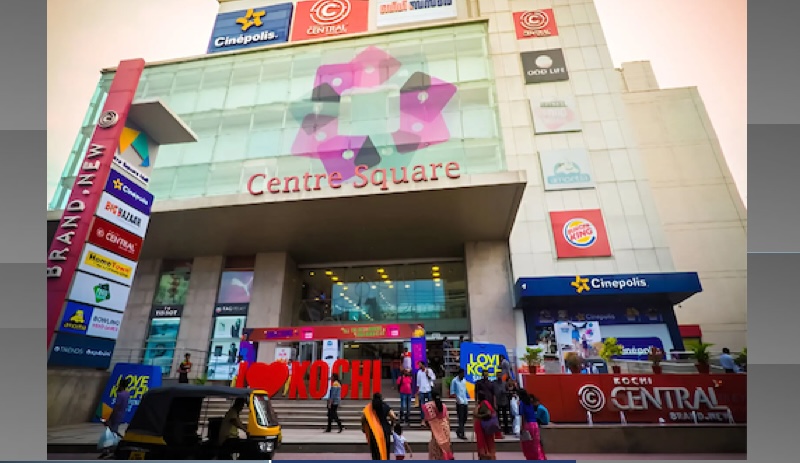
MUMBAI: Kochi-ites can now enjoy the immersive experience that one can only get in an Imax theatre. Exhibitor Cinépolis today announced the launch of the Queen of the Arabian Sea’s first Imax theatre at Centre Square Mall. This is the ffth . This marks the fifth IMAX location for Cinépolis in India, following installations at Viviana Mall (Thane), Westend Mall (Pune), Nexus Shantiniketan (Bangalore), and Nexus Seawoods (Navi Mumbai).
Equipped with the cutting-edge Imax with laser projection system, the new screen delivers 4K projection with unparalleled image quality and stunning visuals. With a seating capacity of 229 and a stadium-style layout, the auditorium ensures every guest enjoys an unobstructed view. Complementing the immersive visuals is Imax’s patented sound system, which delivers exceptional clarity and depth, evenly distributed to elevate every moment on screen.
Said Cinépolis India managing director Devang Sampat: “Kochi is a city renowned for its love of cinema. With this launch, Cinépolis further demonstrates its commitment to technological leadership and innovation, offering audiences an elevated movie-watching experience. The addition of this premium format aligns with the evolving preferences of cinemagoers, who increasingly seek movies crafted for immersive technologies. As more filmmakers embrace these advanced formats, Imax at Cinépolis Kochi is set to redefine how the city experiences blockbuster films.”

Imax vice-president of theatre development Preetham Daniel added: “Audiences in the coastal city can soon experience the unparalleled clarity and immersive sound of Imax, just in time for our exceptional holiday film line-up and an exciting slate of Filmed For Imax titles extending through 2025.”
Centre Square Mall spokesperson Blisson Antony highlighted : “This partnership with Cinépolis elevates our positioning as the premier destination for entertainment and lifestyle in the city. We are confident that the new Imax location will be a magnet for cinephiles, offering them an unparalleled venue to enjoy the best in global and Indian cinema.”






Hollywood
Paramount eyes $24bn Gulf support to fund Warner Bros Discovery merger: Reports
Sovereign funds line up funding as media giants chase streaming scale
NEW YORK: Paramount Skydance is in talks to secure nearly $24 billion in equity commitments from Gulf sovereign wealth funds to support its planned takeover of Warner Bros. Discovery, according to a WSJ report.
The funding push comes as Paramount Skydance advances its proposed $110 billion deal for Warner Bros. Discovery, which carries an equity valuation of $81 billion and is expected to close in the third quarter of 2026.
At the heart of the financing plan are three major Gulf investors. Saudi Arabia’s Public Investment Fund is expected to contribute roughly $10 billion, while the Qatar Investment Authority and Abu Dhabi-based L’imad Holding are likely to make up the remainder.
Crucially, the proposed investments are structured as non-voting stakes. This means the Gulf backers would not have direct control in the combined entity, a move designed to ease regulatory concerns in the United States. Paramount executives reportedly do not expect the deal to trigger scrutiny from bodies such as the Committee on Foreign Investment in the United States or the Federal Communications Commission.
If completed, the merger would bring together a formidable portfolio of entertainment and news assets, including CNN and CBS. The combined entity aims to better compete in a fast-evolving media landscape where streaming platforms are steadily pulling audiences away from traditional television.
The deal reflects a broader shift in global media, where scale is increasingly seen as essential to survive the streaming wars. By pooling content libraries, technology and distribution, Paramount Skydance and Warner Bros. Discovery are betting on size and synergy to drive future growth.
The involvement of deep-pocketed Gulf investors also underscores the growing role of sovereign wealth in shaping global media consolidation, particularly at a time when high-value deals demand equally large financial backing.
With shareholder votes and regulatory milestones still ahead, the proposed tie-up remains one of the most closely watched media deals of the year. If it clears the final hurdles, it could redraw the competitive map of the global entertainment industry.






