News Broadcasting
Chandra’s ASC seeks fresh teleport license

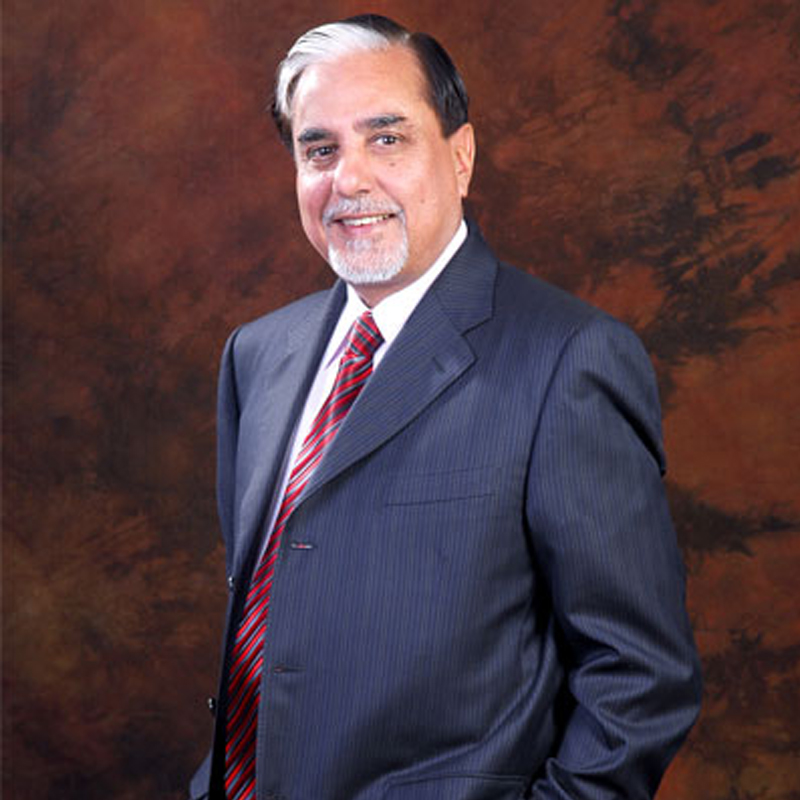
NEW DELHI: In a bid to push through a proposal to have a headend in the sky, the Subhash Chandra-promoted ASC Enterprises Ltd., which amongst other things is implementing the Agrani satellite project, has now sought the Indian government’s permission for a licence for a teleport for uplinking purposes. This would also help Agrani as it is a prospective KU-band direct-to-home (DTH) player.
This has been necessitated as an earlier proposal by the Chandra-controlled Zee Telefilms, seeking the government’s green signal to ‘turnaround’ satellite channels in a digital format from its uplink base on the outskirts of Delhi for, what Zee calls, headend in the sky project was turned down on the ground that the proposed project was a case of uplinking for which separate permission would have to be sought.
While government officials admitted to have “seen a headend in the sky proposal in the information and broadcasting ministry and uplink permission” (with Parliament in session, government officials generally are averse to giving out details to the media), Zee group sources indicated that an application from ASC Enterprises for a teleport licence has been submitted recently.

It was also clarified that as Agrani is a serious and prospective DTH player in India, the teleport licence will help it when a DTH platform is put together by it. In the meantime, the teleport facility could also be used for implementing the headend in the sky project.
Zee, through its cable subsidiary Siti Cable, has been aggressively pushing for a headend in the sky which, it says, will substantially lower investments on cable headends by cable operators and multi-system operators as and when conditional access system (CAS) is implemented.
What is headend in the sky ? In short, pay channels are decrypted and aggregated at a central facility, then all channels are up-linked with common CAS inserted. After this, the channels are downlinked at headends where the cable operator with the help of a trans-modulator makes the satellite signals compatible for a cable system and mixes signals of free-to-air channels for further re-distribution to cable subscribers. The combined channels go to subscriber’s set top box and get decrypted for viewing on the TV set.
According to broadcasting industry sources, for the headend in the sky project to succeed, other broadcasters like Star and Sony have to agree to common encryption which, media observers say, is a tough nut to crack. Still, industry sources indicated talks have been initiated at both formal and informal levels with other broadcasters for inclusion of their respective channels in the common encrypted signal. A headend in the sky project is likely to cost between Rs 150-180 million. Technical advantages of this apart, in a post-CAS scenario an average cable operator will have to upgrade his system where the costing may work out between Rs. 60,000- Rs 1,00,000 per channel.
At the moment, an average Indian cable home with a comparatively modern TV set is capable of receiving on an average about 50 channels. According to a blueprint of the headend in the sky proposal, prepared by Siti Cable, if necessary permissions come through, then at a later stage the subscriber, through the set top box, can have a new service or go in for a change in his service mix by calling up a toll free number connecting to the subscriber management system ( SMS) and log in his request. The subscriber management centre gives a message to ‘turnaround’ centre and executes the request through a data controller. The billing is generated by SMS and sent to the subscriber through designated means.
It has also been proposed that all stakeholders in the industry should be part of the headend in the sky project and a separate legal entity can be formed with equity stake offered to all stakeholders, namely broadcasters, cable operators, and MSOs.





News Broadcasting
CNN-News18 to host Fury in the Gulf conclave on West Asia crisis
Three-hour summit to unpack geopolitical fallout and impact on India
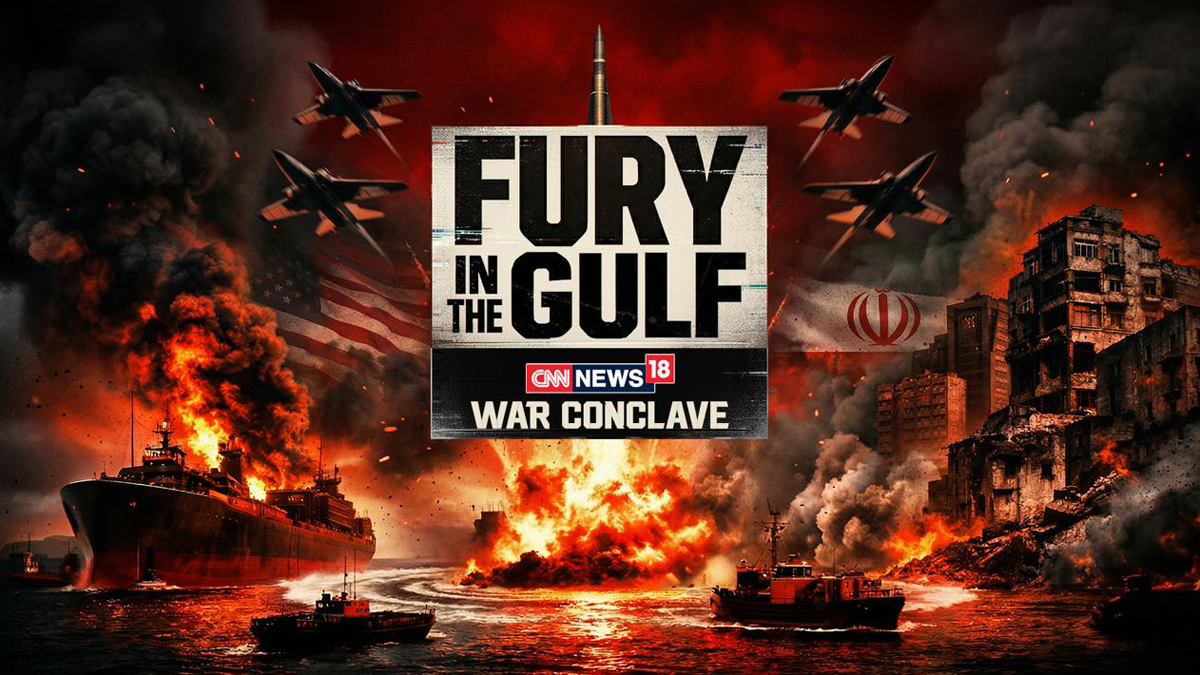
MUMBAI: CNN-News18 is set to host a special three-hour broadcast, Fury in the Gulf – War Conclave, on April 7, aiming to decode the escalating West Asia crisis and its far-reaching implications for India.
Scheduled from 4:00 PM to 7:00 PM, the conclave comes at a time when tensions between Iran and the United States are reshaping global geopolitics and triggering economic uncertainty. With India’s deep energy ties, trade links and large diaspora in the Gulf, the developments carry significant domestic relevance.
Built around the theme ‘Conflict, Consequences, and The Future,’ the programme will feature six curated sessions combining one-on-one interviews and panel discussions. The focus is to cut through the clutter and offer viewers a clearer understanding of the fast-evolving situation.
Key sessions include ‘Diplomacy in Times of War’ featuring Shashi Tharoor, and ‘World After the Iran Conflict’ with voices such as Ram Madhav, Reuven Azar, representatives from the European Union and the Iranian Deputy Envoy. Another session titled ‘Another Dunkirk?’ will bring together K. J. S. Dhillon and Jitin Prasada among others.
CNN-News18 editorial affairs director Rahul Shivshankar said, “In times of war, clarity becomes the most powerful tool. Fury in the Gulf – War Conclave brings together credible voices to address the questions and confusion that arise amid an overwhelming influx of information.”
He added that the initiative is aimed at delivering “facts, perspective, and insight” at a time when misinformation can easily cloud public understanding.
Echoing the sentiment, CNN-News18 CEO– English and business news Smriti Mehra said the conflict marks a defining global moment, with consequences that extend well beyond the region. She noted that the conclave seeks to present the crisis with “depth, nuance and responsibility” so audiences can better grasp its real-world impact.
As geopolitical tensions continue to dominate headlines, the conclave positions itself as an attempt to bring order to the noise, offering viewers a structured, insight-led look at a complex and rapidly shifting global situation.






