High Court
Centre’s opinion sought on YouTube uploads; notice issued on AIB case

NEW DELHI: The Bombay High Court has asked the Information and Broadcasting Ministry’s opinion on the screening mechanism of YouTube uploads.
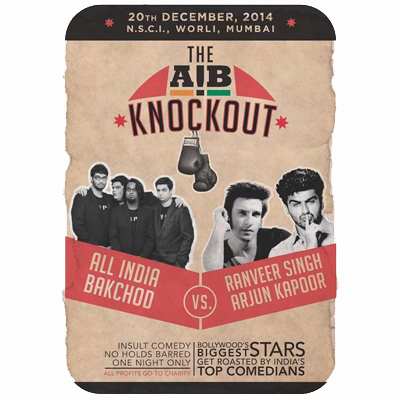
This followed a public interest litigation (PIL) against the AIB Roast programme by law professor Sharmila Ghuge, who sought guidelines for a screening mechanism to keep a check on obscene and vulgar videos uploaded on YouTube.
AIB (All India Bakchod) filed an intervention application in the matter. “We oppose this petition. It was a humorous show for a private audience. None of the private audience found it offensive. The language was excessive, but within the bounds of humour,” AIB’s senior counsel Mahesh Jethmalani told the division bench of Justices V.M. Kanade and Revati Mohite Dere.
The court admitted the intervention plea. AIB will file a reply, if any, to the petition within the next two weeks. The Union of India too has been directed to file its opinion within two weeks. The court will hear the matter next on 3 March.
Along with the PIL, the petitioner also submitted a copy of the CD about the programme, which was conducted in Mumbai in December last year. Its videos were uploaded on YouTube later. The petitioner also transcribed the excerpts of the show, and told the court that the content was objectionable.
When the court said that only those who are defamed can file a defamation suit, Ghuge’s advocate Shyam Dewane said, “This (programme) has crossed the limits of morality. The language used is such that it crosses the limit of decency. It is obscene to the core, and it particularly affects the minds of the youths.”
In the PIL, Ghuge said, “Whereas, the film stars have made a deliberate attempt to lower the dignity of women by showing their insensitive attitude towards the most heinous crime of rape by passing several jokes on rape and gang rape enjoying the flavour of humour for the most unfortunate act any women can ever face in her life. Not only this, cracking jokes on gays, race, rape, ebola and making homophobic jokes is an absolute insult to not only to women but all the individuals.”
She has said such remarks will adversely affect the youth of the country. “That such a rapid augmentation of audience to this video is unquestionably aiming to adversely affect the youth of this nation. Particularly the sway and influence of these film stars is beyond imagination on the youth. These celebrities are youth icons and the young generation blindly follows them which indeed is misleading and disgraceful for the nation in such incidences.”
Dewane said there was need for a mechanism to filter out vulgar and obscene videos from YouTube. The court thereafter sought Union government’s say on the matter.
“That the video of the AIB show, which has been uploaded on 28 January, 2015 has not been verified by any of the authorities, whether the content of the video is suitable to be thrown open to public at large. The said video has been uploaded by the organisers of the AIB show as evident from the titles of the video. Neither the organisers nor the respondents felt the need and importance of verifying the content before putting the video on air, which needless to state has gone viral amongst people, more particularly youths,” the PIL has stated.