News Broadcasting
CBS brings third season of ‘Big Brother’ live on Internet


American cable network CBS and RealNetworks have joined forces once again to provide exclusive, 24/7 live video streaming from the Big Brother 3 house.
The webcast, which premieres today can be ordered through the official Big Brother 3 website at http://www.CBS.com and through RealNetworks’ RealOne(TM) SuperPass subscription service. The live webcast, featuring four live camera feeds, will be available only as a subscription service. To view webcasts, consumers will need the RealOne Player, available for download at http://www.real.com. RealNetworks now claims to have more than 700,000 paid monthly subscribers to its premium subscription services.
Big Brother 3 is a reality show on CBS, currently running its third season on the network, in which twelve strangers living together in one house try and vote each other out until only one remains and goes home half a million dollars richer. Meanwhile, the viewers are watching every move. Viewers get to rate them in the Love ‘Em or Leave ‘Em poll, then go to the Grand Prize poll to cast the first vote for the HouseGuest most likely to win the half million.

CBS claims that last year’s launch of the innovative video streaming package had over 50,000 viewers subscribing to the streams. CBS/Endemol Entertainment will provide the content from the Big Brother 3 house while Real Broadcast Network(TM) (RBN(TM)), RealNetworks’ Content Delivery Network division, will deliver the 24/7 live streaming webcast feed. To preserve the drama for Big Brother 3 television viewers, CBS may block or delay the webcast for a limited number of real-time events that transpire in the house.
Other components of the official Big Brother 3 website will include detailed summaries of all the events that happen during each televised broadcast, a live 24/7 chat room, an interactive Big Brother Fantasy League game, popularity polls, opinion polls and a virtual tour of the Big Brother house, descriptions of the week’s challenges, voting history pages, photo galleries and a HouseGuest section with complete profiles.







News Broadcasting
Kamlesh Singh receives Haldi Ghati Award from MMCF
India Today Group editor honoured for three decades of journalism at Udaipur ceremony.
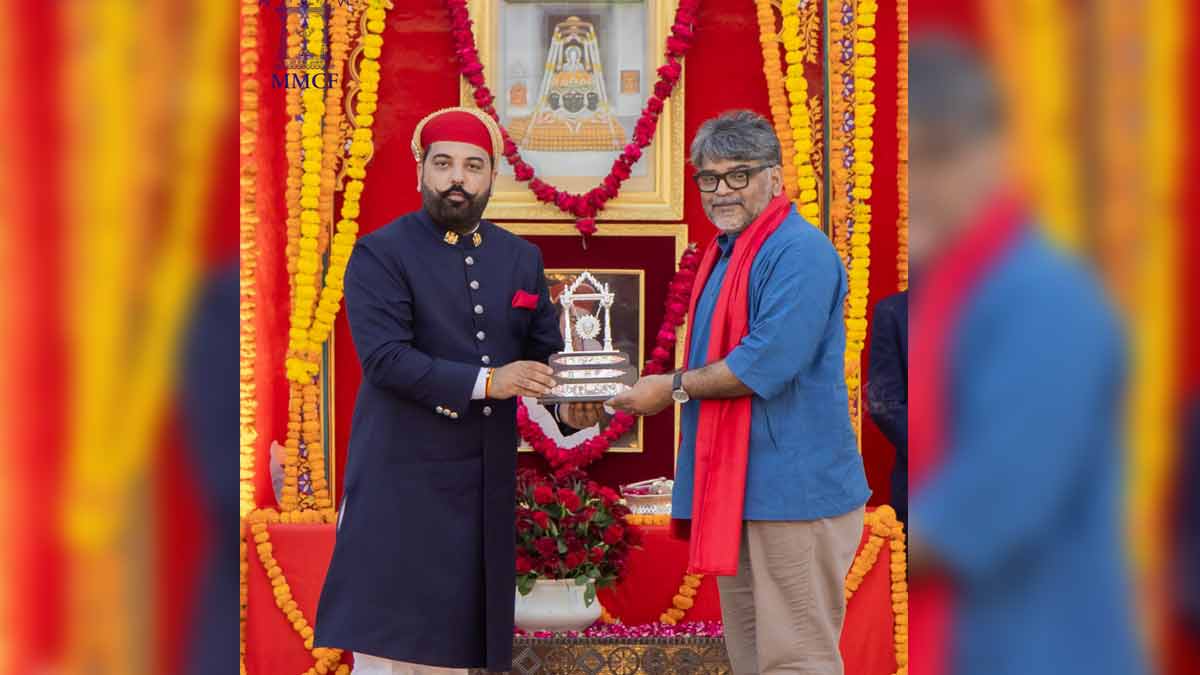
MUMBAI- Kamlesh Singh just turned a lifetime of sharp words into a shiny shield because when journalism wakes up a society, even the Maharana of Mewar wants to pin a medal on it.
The Maharana of Mewar Charitable Foundation (MMCF) conferred its prestigious Haldi Ghati Award on Kamlesh Singh, a senior editor at the India Today Group, during a ceremony in Udaipur on 15 March 2026. The national award, instituted in 1981-82, recognises “work of permanent value that initiates an awakening in society through the medium of journalism.”
Singh, who leads several editorial initiatives including Aaj Tak Radio, the Teen Taal community and The Lallantop, was presented the honour by Lakshyaraj Singh Mewar, Managing Trustee of MMCF. The citation highlighted his three decades of contributions to Indian media, innovations in digital journalism, mentoring young reporters, and his popular podcast persona “Tau” on Teen Taal, which fosters thoughtful public discourse.
The Haldi Ghati Award, named after the historic Battle of Haldighati symbolising valour and resilience, is one of four national awards given annually by MMCF. Past recipients include Tavleen Singh, Piyush Pandey and Raj Chengappa.
Other honourees this year included Padma Vibhushan Pt Hari Prasad Chaurasia, Vedamurti Devvrat Rekhe, Treeman of India Marimuthu Yoganathan, Vir Chakra Capt Rizwan Malik, and US-based researcher Molly Emma Aitken, who received the Colonel James Tod Award for contributions to understanding Mewar’s spirit and values.
In an era where headlines often shout louder than substance, the MMCF quietly reminded everyone that real journalism isn’t about noise, it’s about the quiet, persistent work that stirs society awake, one thoughtful story at a time.







