News Broadcasting
CAS: Govt populism may force low prices

NEW DELHI: Popular pay TV channels at prices below Rs. 10 (Rs. 47=1US$) each for Indian cable TV subscribers?
Might be hard to believe, but may become a reality if the Indian broadcast regulator succumbs to pressures from the government to keep cable TV prices at present level in a CAS-enabled regime.
According to information available, Telecom Regulatory Authority of India (Trai) is likely to announce later today prices of pay channels that may look ridiculously low.

Sources in the regulatory body indicated that there’s immense pressure from the government (read the information and broadcasting ministry) to keep cable TV subscription at affordable levels when addressability is rolled out from 1 January 2007.
Presently, an Indian household shells out between Rs. 150 to Rs. 400 on an average per month for cable TV channels ranging between 30 to 100 depending on the locality of residence.
The present mantra is simple: posh-er the area, higher the subscription fee.
It is leant that the I&B ministry is in favour of pricing popular pay channels (Star Plus, Zee TV, Sony, HBO, Star Movies, ESPN and Star Sports, for example) at prices that would be affordable and keep the average monthly outflow to around Rs. 170 (exclusive of free to air channels).
If this formula is taken into account, then most popular TV channels — most of which are pay — have to be priced around Rs. 5 or below Rs. 10 to cater to the varied taste.
Out of the 265 TV channels that the government recognizes — 65 have applied for landing rights and the rest uplink from India — approximately 70 are pay channels.
As per a court mandate, agreed upon by the government and industry stakeholders, CAS is to be implemented in the south zones of Kolkata, Delhi and Mumbai from midnight of 31 December 2006.
Sector regulator, buffeted between demands from the government and the industry, has to announce prices of pay and free-to-air channels (basic tier in an addressable regime) by the evening of 31 August to adhere to a Delhi court-mandated sequencing of CAS rollout.
It needs to be seen whether Trai will give a go-ahead to the prices submitted by various pay channels (most bouquets have given wholesale prices) or decides to go in for a maximum retail price (MRP) in case it finds them unreasonable.
According to a report put out by the Press Trust of India (PTI) on 10 August, I&B minister Priya Ranjan Dasmunsi informed Rajya Sabha (Upper House) that television viewers will have to pay less under a CAS regime.
There would be no charges on free-to air channels, the minister had said, adding the viewers would pay according to pay channels they opt for instead of paying a fixed tariff varying from Rs. 150 to Rs. 300 per month currently.






News Broadcasting
CNN-News18 to host Fury in the Gulf conclave on West Asia crisis
Three-hour summit to unpack geopolitical fallout and impact on India
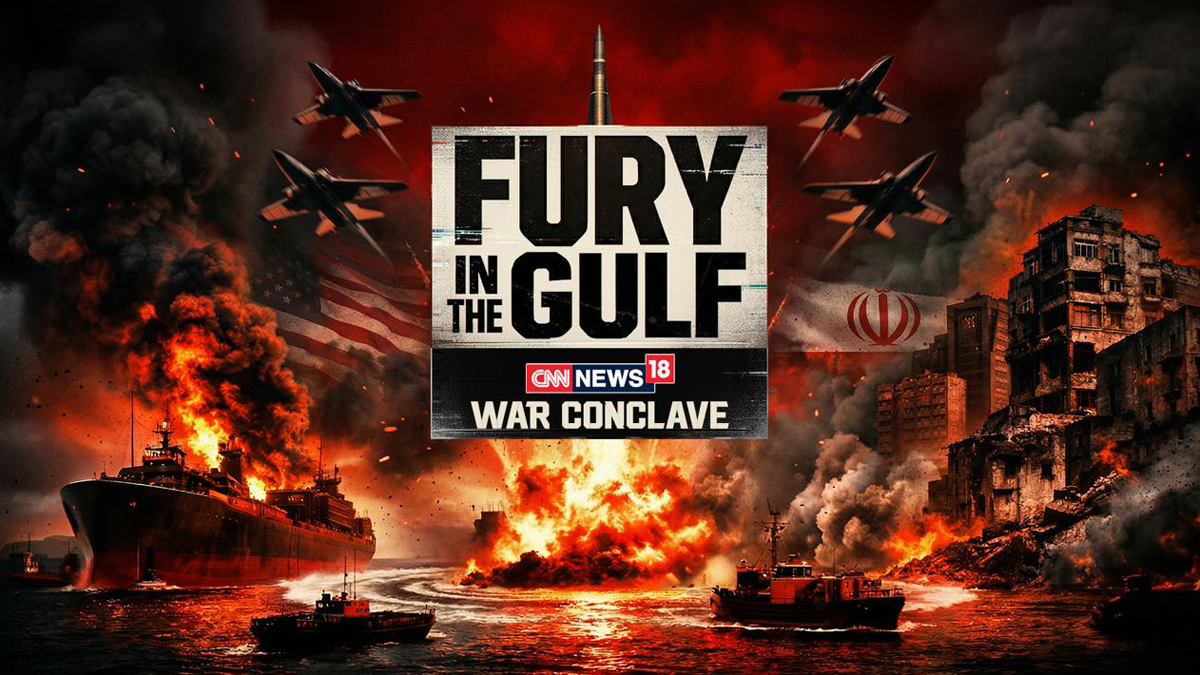
MUMBAI: CNN-News18 is set to host a special three-hour broadcast, Fury in the Gulf – War Conclave, on April 7, aiming to decode the escalating West Asia crisis and its far-reaching implications for India.
Scheduled from 4:00 PM to 7:00 PM, the conclave comes at a time when tensions between Iran and the United States are reshaping global geopolitics and triggering economic uncertainty. With India’s deep energy ties, trade links and large diaspora in the Gulf, the developments carry significant domestic relevance.
Built around the theme ‘Conflict, Consequences, and The Future,’ the programme will feature six curated sessions combining one-on-one interviews and panel discussions. The focus is to cut through the clutter and offer viewers a clearer understanding of the fast-evolving situation.
Key sessions include ‘Diplomacy in Times of War’ featuring Shashi Tharoor, and ‘World After the Iran Conflict’ with voices such as Ram Madhav, Reuven Azar, representatives from the European Union and the Iranian Deputy Envoy. Another session titled ‘Another Dunkirk?’ will bring together K. J. S. Dhillon and Jitin Prasada among others.
CNN-News18 editorial affairs director Rahul Shivshankar said, “In times of war, clarity becomes the most powerful tool. Fury in the Gulf – War Conclave brings together credible voices to address the questions and confusion that arise amid an overwhelming influx of information.”
He added that the initiative is aimed at delivering “facts, perspective, and insight” at a time when misinformation can easily cloud public understanding.
Echoing the sentiment, CNN-News18 CEO– English and business news Smriti Mehra said the conflict marks a defining global moment, with consequences that extend well beyond the region. She noted that the conclave seeks to present the crisis with “depth, nuance and responsibility” so audiences can better grasp its real-world impact.
As geopolitical tensions continue to dominate headlines, the conclave positions itself as an attempt to bring order to the noise, offering viewers a structured, insight-led look at a complex and rapidly shifting global situation.






