Applications
BuzzFeed, CNN to launch a news video channel for millennials


MUMBAI: BuzzFeed has announced plans to invest in and expand its video operations and build a social video studio, designed to create news and entertainment video content exclusively for YouTube. Led by BuzzFeed executive VP of video Ze Frank, the video team will apply the same types of strategies that have made BuzzFeed a hub for some of the internet‘s most viral content to create shareable video content for a video-driven generation.
BuzzFeed president and COO Jon Steinberg said, “There has been a massive cultural shift in how people – particularly young people – consume news and entertainment and Ze and his team are tapping into the next generation of video production and consumption.
“Over 70 per cent of BuzzFeed‘s traffic is social, almost half is mobile, and we are seeing these huge shifts earlier than others because the majority of our readers are 18-34. We are thrilled to partner with YouTube to bring a new generation of video content to a BuzzFeed audience that lives on social media and mobile phones”.

YouTube director, global head of news content partnerships Jed Simmons said, “BuzzFeed has built a remarkably engaged audience and their YouTube channels are a testament to their understanding of news and entertainment. They have a very special way of telling a story.
“BuzzFeed‘s decision to double down on their YouTube channels is incredibly exciting and we look forward to continuing to work together and helping them grown.”
As part of its expansion initiative, BuzzFeed has partnered with CNN to launch the ‘CNN BuzzFeed‘ channel on YouTube. Powered by CNN‘s current and archival video footage, BuzzFeed will create unique mash-up news videos tailored for the social web. The content will appear on both CNN.com and the CNN/BuzzFeed YouTube channel. In addition, the two organisations will collaborate on original list posts that combine the strength of CNN‘s newsgathering and BuzzFeed‘s signature voice. The lists will be published to CNN.com starting today.
CNN Digital senior VP KC Estenson said, “By pairing the journalistic strength and reach of the CNN brand with BuzzFeed‘s unique editorial approach and young audience, our partnership will enable both organisations to engage new audiences. It‘s the perfect modern day media collaboration.”
BuzzFeed executive VP of video Ze Frank said, “From web video‘s infancy to a massive shift to mobile video viewing, the community and ecosystem of YouTube is at the heart of the social web. BuzzFeed‘s massive audience is hungry for new, interesting video formats, YouTube gets that better than anyone and we‘re elated to be working with them. CNN.com is one of the biggest, strongest news sites in the world. We are thrilled to work with their talented team and to tap into their incredible archive of footage as we try to crack original news video for the social web.”







Applications
With 57 per cent single new users, Ashley Madison rebrands as discreet dating platform
Platform says majority of new members now identify as single
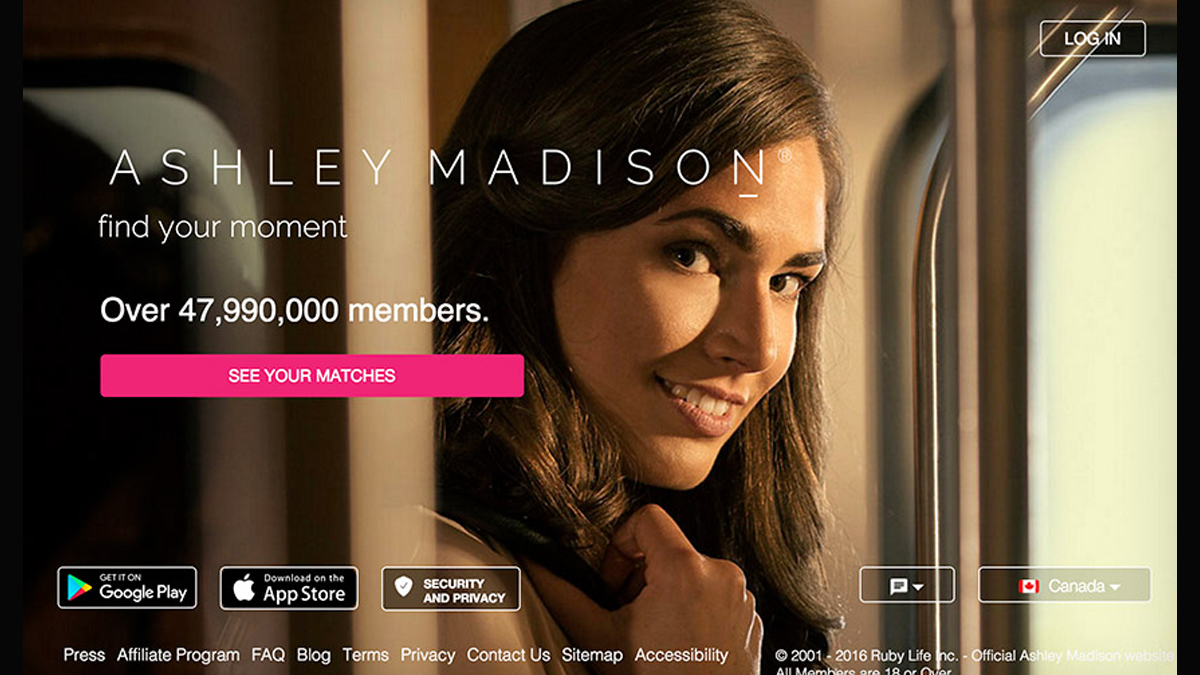
INDIA: Ashley Madison is shedding the “married-dating” label that defined it for two decades, repositioning itself as a platform for discreet dating in what it calls the post-social media age.
The rebrand, unveiled in India on 27 February, 2026, marks a structural shift in business model and identity. Once synonymous with married dating, the company now describes itself as the “premier destination for discreet dating” under a new tagline: Where Desire Meets Discretion.
The pivot is data-driven. Internal figures show that 57 per cent of global sign-ups between 1 January and 31 December, 2025 identified as single: a notable departure from the platform’s married core. The company argues that its community has already evolved beyond its original positioning.
“In an age where our lives have been constantly put on public display, privacy has become the new luxury,” said Ashley Madison chief strategy officer Paul Keable. He framed the platform’s offering as “ethical discretion” for singles, separated, divorced and non-monogamous users seeking private connections.
The shift also taps into wider digital fatigue. A global survey conducted by YouGov for Ashley Madison, covering 13,071 adults across Australia, Brazil, Canada, Germany, India, Italy, Mexico, Spain, Switzerland, the UK and the US, found mounting discomfort with hyper-public online lives.
Among dating app users, 30 per cent cited constant swiping and messaging as a source of fatigue, while 24 per cent pointed to pressure to curate public-facing profiles and early personal disclosure. Some 27 per cent said fears of screenshots or information being shared contributed to exhaustion; an equal share cited unwanted attention.
The retreat from oversharing appears broader. According to the survey, 46 per cent of adults actively try to keep most aspects of their life private online. Only 8 per cent feel comfortable sharing most aspects publicly, while 35 per cent say they are becoming more selective about what they disclose.
Ashley Madison is betting that this cultural recalibration towards controlled visibility can be monetised. By doubling down on privacy infrastructure and reframing itself around discretion rather than infidelity, the company is attempting to convert reputational baggage into a premium proposition.







