eNews
BP sells majority Castrol stake to Stonepeak in $10bn Deal

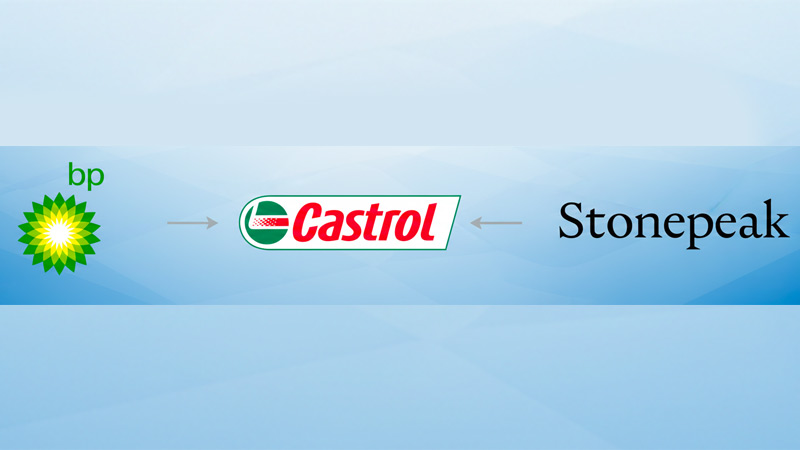
MUMBAI: BP has struck a $10 billion deal to sell a 65 per cent stake in Castrol to US investment firm Stonepeak, signalling a decisive pivot in the oil major’s strategy and a fresh chapter for one of the world’s most recognisable lubricant brands.
The agreement, announced on Tuesday, values Castrol at an enterprise value of about $10.1 billion and will see BP pocket roughly $6 billion in net proceeds, including accelerated dividend payments. The cash will be channelled straight into debt reduction as BP sharpens its focus on a leaner balance sheet and a more streamlined portfolio.
Once the deal closes, expected by the end of 2026 subject to regulatory approvals, Castrol will be housed in a new joint venture owned 65 per cent by Stonepeak and 35 per cent by BP. The oil major will retain exposure to Castrol’s growth story while keeping the option to exit fully after a two year lock up period.
For BP, the transaction is another firm step in its $20 billion divestment drive. With completed and announced asset sales now touching around $11 billion, the company is racing towards its target of cutting net debt to between $14 billion and $18 billion by the end of 2027. Net debt stood at $26.1 billion at the close of the third quarter of 2025.
Castrol, founded 126 years ago, remains a steady performer. The business has clocked nine consecutive quarters of year on year earnings growth, underpinned by demand for lubricants across vehicles, machinery and industrial processes worldwide. A sizeable chunk of its minority interests sit in India, where Castrol India is publicly listed.
BP interim chief executive Carol Howle, described the sale as a strong outcome for shareholders. She said the deal unlocks value while allowing BP to continue benefiting from Castrol’s momentum, all while simplifying the group and accelerating delivery of its reset strategy.
Stonepeak, which manages around $80 billion in assets, sees Castrol as a dependable engine of long term value. Stonepeak senior managing director and co head of energy Anthony Borreca, said lubricants remain mission critical products and praised Castrol’s iconic brand and deep market presence.
In short, BP is lightening its load while keeping a foot in a business that still has plenty of mileage left. For Castrol, the change of ownership could mean a faster lane to growth, with a new partner in the driver’s seat and a familiar one still riding shotgun.