High Court
Bombay high court orders committee to oversee government ad funds
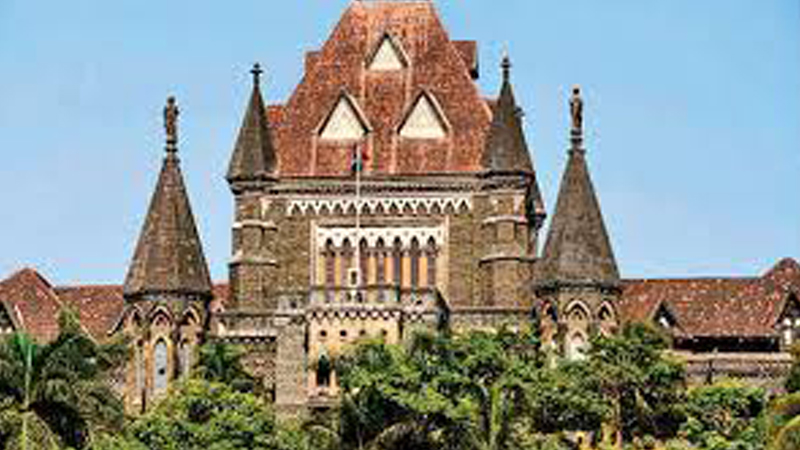
Mumbai: The Bombay high court directed the Maharashtra government to form a three-member committee to monitor the use of public funds in government advertisements, ensuring that funds are not used for unrelated purposes. This directive stems from the state’s delay in adhering to a supreme court mandate focused on enforcing accountability in public advertising. The court ordered that the committee must be set up by 14 December.
This order, issued by a bench comprising justice MS Sonak and Justice Jitendra Jain, highlighted concerns over the lack of active oversight within Maharashtra, deeming this absence of monitoring “unjustifiable.” The court referred to the Supreme Court’s judgment in the “Common Cause vs. Union of India case”, which deemed political promotion through government advertising as contrary to the principles of fairness and constitutional rights outlined in articles 14 and 21.
The ruling came in response to a petition by the Editors’ Forum, which raised issues regarding compliance with various government guidelines related to advertising practices by entities such as the Bombay Municipal Corporation (BMC), City and Industrial Development Corporation (CIDCO), and Maharashtra Industrial Development Corporation (MIDC). The petition highlighted concerns around ad placements and the use of unapproved agencies.
Representatives of the Maharashtra government argued their adherence to current guidelines; however, the court found the State’s explanations insufficient. The judges underscored that, had a committee as mandated by the Supreme Court been established, it could have actively reviewed the alleged issues.
The chief secretary of Maharashtra has been specifically instructed to oversee the formation of this committee, ensuring stringent accountability in the use of public funds. The petitioners were represented by advocates SB Talekar, Madhavi Ayyappan, Chagan Thakare and Neha Lalsare, with additional government pleader Abhay Patki representing the state.

High Court
Bombay HC likely to protect Kartik Aaryan’s personality rights
Actor seeks Rs 15 crore damages over AI misuse, deepfakes and merch
MUMBAI: In an age where faces can be faked and voices cloned, even stardom needs legal armour. The Bombay High Court has indicated it will pass an order safeguarding the personality and publicity rights of Bollywood actor Kartik Aaryan, following allegations of widespread digital misuse of his identity.
The matter, heard by Justice Sharmila U. Deshmukh, centres on a plea filed by Aaryan seeking a broad John Doe injunction against 16 defendants, including e-commerce platforms, social media intermediaries and unidentified entities. The court noted the concerns raised and said appropriate orders would be issued.
At the heart of the case lies the growing threat of artificial intelligence-driven impersonation. Aaryan’s petition flags multiple instances of deepfake content circulating across platforms such as YouTube and Instagram, where his likeness has allegedly been used to create fabricated videos, including false romantic link-ups and objectionable scenarios designed to drive engagement.
In one particularly alarming example, the actor’s legal filing cites AI-generated visuals that falsely associate him with controversial global figures, including Jeffrey Epstein. The plea argues that such content not only misleads audiences but also causes serious reputational damage.
The concerns extend beyond content to commerce. The suit alleges that unauthorised merchandise bearing Aaryan’s name and image is being sold across platforms such as Amazon, Flipkart and Redbubble, without his consent. Additionally, the actor has raised red flags over AI-powered chatbots that mimic his voice and simulate conversations, warning of potential misuse in fraudulent activities.
Aaryan’s filing underscores that he is the registered proprietor of the trademark “Kartik Aaryan”, with his name, voice and likeness carrying significant commercial value. The unauthorised use of these attributes, the plea states, leads to “immediate and irreparable harm” to his goodwill.
Seeking both preventive and punitive relief, the actor has requested a permanent injunction restraining entities from exploiting his identity in any form be it name, voice, signature or distinctive dialogue style. He has also sought damages amounting to Rs 15 crore for alleged commercial misappropriation and reputational loss.
The case highlights a larger legal and cultural moment, where the lines between reality and replication are increasingly blurred. As AI tools become more accessible, courts are now being called upon to define the boundaries of identity in the digital age, where a face may be famous, but control over it is no longer guaranteed.