eNews
Arnab Goswami duologue with Barun Das: Reveals truth about TV ratings

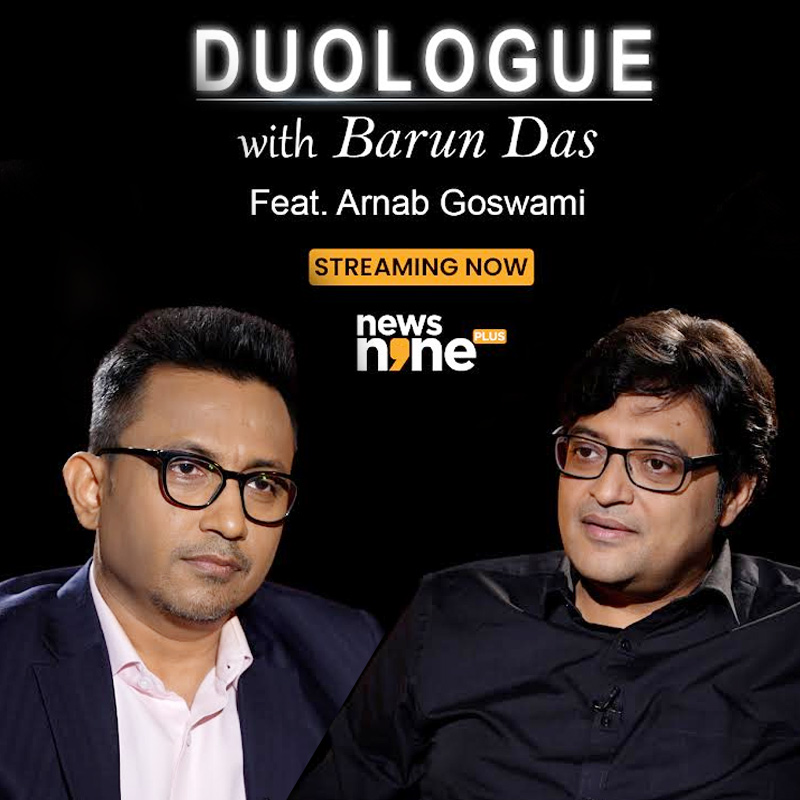
Mumbai: For the first time since the ED cleared Arnab Goswami and his network of any wrongdoing in the ratings scandal, he speaks candidly about it with Barun Das at news video magazine OTT platform News9 Plus, revealing the plot to frame him.
In a sensational disclosure, Goswami claimed the entire ratings system was paralysed by the television industry in India to target him. “It was a bitter battle between new entrepreneurship and legacy media.”
In his statement, he speaks not just about the ratings question but about a whole range of issues facing the Indian news media.

As Goswami gets into the hot seat of Duologue with Barun Das to answer questions, it is a role reversal – both for Das as well as Goswami.
TV9 Network managing director & CEO Barun Das has disrupted the news television order in the country. He has now been donning a new role facing the camera in his series Duologue, which featured former UK Prime Minister David Cameron as the last guest.
Arnab responded to criticism about being pro-establishment in a recent episode of Duologue with Barun Das, citing the “nation wants to know” controversy to his days at NDTV and Times Now, as well as his vision for the Republic.
Speaking about Goswami’s show, Das said, “I believe leadership is all about disruption. Arnab is phenomenal and makes for an unrivalled case study. You may love him or despise him, but you ignore him at your peril. The best part of having him at Duologue has been his uncanny ability to speak frankly on issues that not only define him but also have a significant bearing on the news media scene in India.”
After the cameras stopped rolling, Goswami added, “Barun has an easy-going yet razor-sharp conversational style. He got me to open up on subjects I’ve been quiet about, and I’m glad we “duologued” like I haven’t before. I wish his OTT platform and this show all the very best.”
Talking about the clean chit, Goswami said, “I recorded this Duologue with Barun a few days before the final TRP report came out. He made me speak about our incarceration for the first time since my arrest. People should know the truth about what happened to the Republic, how we fought, and how we have won. Most grateful to Barun for the opportunity.”
Duologue with Barun Das featuring Arnab will host four episodes: The Disruptors; Friends, foes, and fortitude; Media Inc; and Frankly Speaking, Finally.
Das’ show is a cerebral conversation with a legend or a legend in the making. As the title suggests, it is a two-way interaction to enable the exchange of ideas in a free-flowing manner. Duologue is not provoked by headline management but to evolve emancipated influencer conversations.






eNews
Piyush Thakur steps down as Inshorts’ chief revenue officer
Former vice president and cro says exit marks a new chapter after close to a decade of building revenue and partnerships at Inshorts Group.
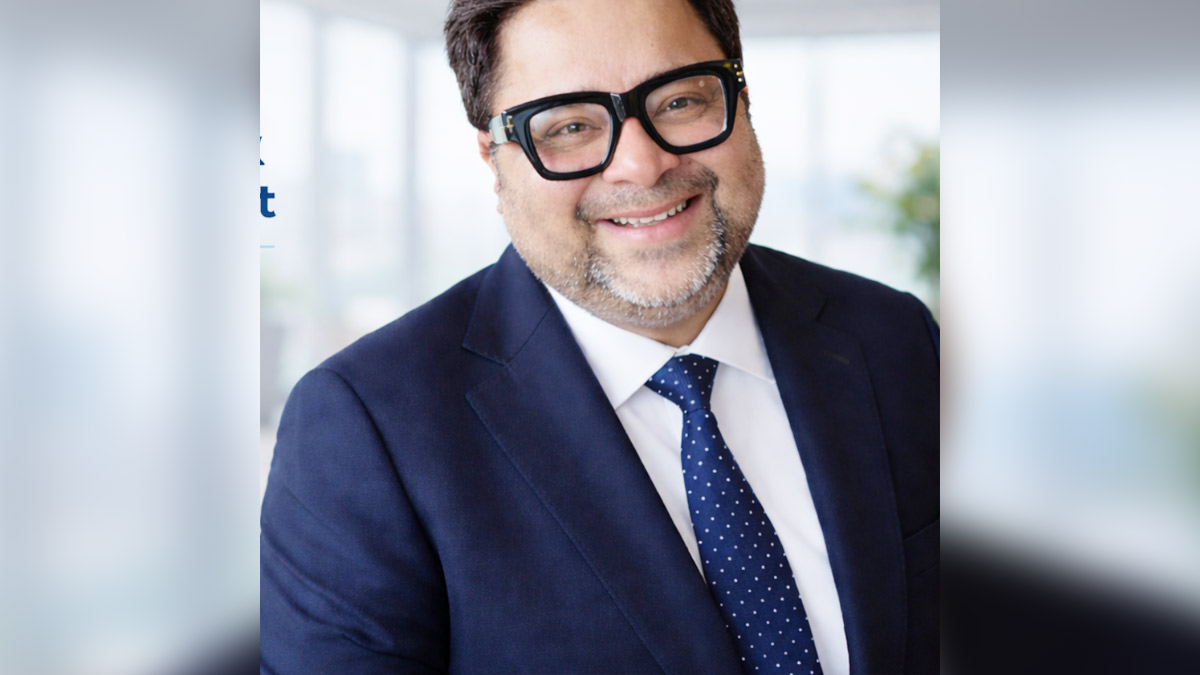
NOIDA: Piyush Thakur has stepped away from Inshorts Group after nearly 10 years with the company, marking the end of a long tenure that culminated in his role as chief revenue officer.
In a farewell note, Thakur said he was “turning a new page” after almost a decade at Inshorts, calling it one of the hardest professional decisions he has made. He added that his exit was not driven by uncertainty about the future, but by reflection on a long association with the company.
Thakur joined Inshorts in October 2016 as vice president and spent around seven years in the role before being elevated to chief revenue officer in April 2024, a position he held until April 2026.
He said his tenure was defined by “thousands of mornings, late nights, product debates and breakthrough moments”, as the company evolved into a large-scale digital news platform used by millions.
In his note, Thakur emphasised that Inshorts’ growth was a collective effort across teams, adding that engineers, designers, sales teams and customer support staff all contributed to building the platform. He said the company’s success was not the result of individuals but of “everyone who stayed, passed through, and left their mark”.
Before Inshorts, Thakur worked across several digital media and business development roles. At ESPN, he served as senior regional manager from October 2015 to October 2016, focusing on growth initiatives, strategic opportunities and video distribution.
At Times Internet, he worked for nearly three years, including as head of business development from April 2015 to September 2015 and chief manager from January 2013 to March 2015. His responsibilities included monetisation of mobile platforms, managing media and developer partnerships, and driving revenue across digital properties such as The Times of India and The Economic Times.
Earlier, he worked at Brandmovers as head of business development from June 2012 to June 2013, handling digital, mobile and social media marketing solutions, client development and strategic consulting. During this period, he also worked on advertising revenue, brand strategy and CRM-based solutions.
At Inshorts, Thakur’s role focused on revenue strategy, mobile and media partnerships, and growth initiatives across platforms. His profile highlights experience in mobile product management, digital business models, partner ecosystems and revenue expansion in high-growth environments.







