eNews
Apple’s Tim Cook’s handpicked CFO Kevan Parekh takes office


MUMBAI: Is 12 a lucky number?
Some may question the logic, saying there’s no such thing as luck.
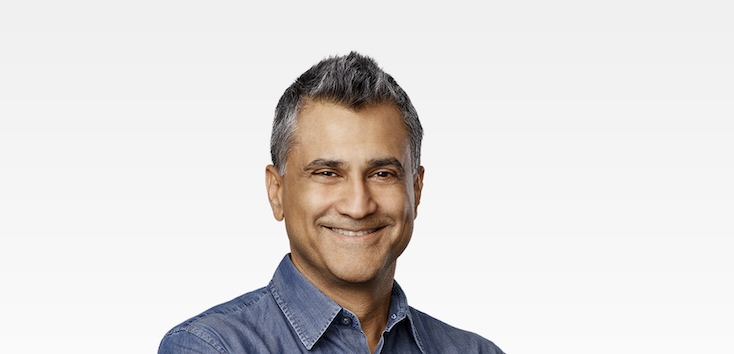
But a dozen years proved extremely good for Kevan Parekh, who was handpicked by Apple CEO Tim Cook to become the CFO of Apple during his twelfth year with the company. Just as the clock hit the 12 midnight mark in New York on 31 December and the ball was beginning to drop in Times Square, Kevan’s term as the CFO commenced.
Kevan, an Indian origin executive, joined Apple in June 2013 and has played a key role in its financial and business planning, and product development planning since then. Prior to becoming CFO, he served as Apple’s vice president of financial planning and analysis. Before that, he served as Apple’s vice president of worldwide finance, supporting a number of different functions throughout his tenure, including engineering, iTunes, marketing, retail, and sales.
His pay package is speculated to be $1 million a year, plus participation in the company’s executive cash incentive plan for fiscal 2025.
Kevan, succeeds Luca Maestri, who was appointed CFO in 2014, and he will be reporting directly to Cook. As CFO, Kevan will be overseeing Apple’s accounting, business support, financial planning and analysis, treasury, investor relations, internal audit, and tax functions.
Maestri on his part continues to be part of Apple overseeing its corporate services teams. His responsibilities will include managing information systems and technology, cybersecurity, and real estate and development.
Before joining Apple, Kevan worked for eight years with General Motors in New York and then Europe. He returned to New York to join Thomson Reuters and stayed put as vice-president of finance (professional division) and then as corporate treasurer till 2013.
Kevan has a solid academic background and holds a bachelor science degree in electrical engineering, and an MBA from the University of Chicago which he completed in 2000 with a major in finance and strategic management.