Applications
Anupam Sengupta jumps aboard AI dub firm Camb.ai


MUMBAI: Anupam Sengupta, a seasoned tech heavyweight with a CV that reads like a who’s who of global giants, has taken the helm as business head for the Indian subcontinent and southeast Asia at Camb.ai. This AI media tech company, fresh from a $11m funding round and eyeing a cool $75m+ by FY26, is betting big on Sengupta’s knack for driving high-impact deals and digital transformations.
Sengupta, whose past conquests include stints at Sony Group, WPP, Zee, and Standard Chartered, isn’t just bringing his Rolodex; he’s bringing a vision. Camb.ai, based in west Asia, aims to bridge linguistic divides with AI that’s more than just a translator – it’s a cultural chameleon. It has positioned itself as the world’s most capable speech and translation AI, offering the capability for humankind to dub content into over 140 languages using proprietary AI models.
Camb.ai founder & CEO Avneesh Prakash articulated the company’s mission with a touch of the poetic: “As founders with deep Indian roots, we’ve seen how language can both empower and exclude. At Camb.ai, our mission is to bridge India’s linguistic diversity through advanced AI, ensuring equal access across entertainment, sports, education, and healthcare. With India and SEA emerging markets central to our strategy, we’re excited to build long-term, transformative impact.”

Sengupta himself is equally bullish, stating, “At Camb.ai, we are pushing the frontiers of AI voice and language research—not merely translating words, but carrying emotion, intent, contextuality, and cultural nuance across languages. It’s a deeply challenging science, but one with immense potential across sectors. In these transformative times, I’m excited to build this deep tech business grounds up in Asia. Together the team is deeply committed to building long-term, sustainable value in this region where language inclusion can further unlock true cultural and economic potential.”
In essence, Sengupta’s appointment isn’t just a career move; it’s a strategic play in Asia’s burgeoning AI landscape. Camb.ai is betting that his expertise will translate into more than just revenue; it’ll translate into a cultural revolution, one perfectly nuanced AI voice at a time.







Applications
With 57 per cent single new users, Ashley Madison rebrands as discreet dating platform
Platform says majority of new members now identify as single
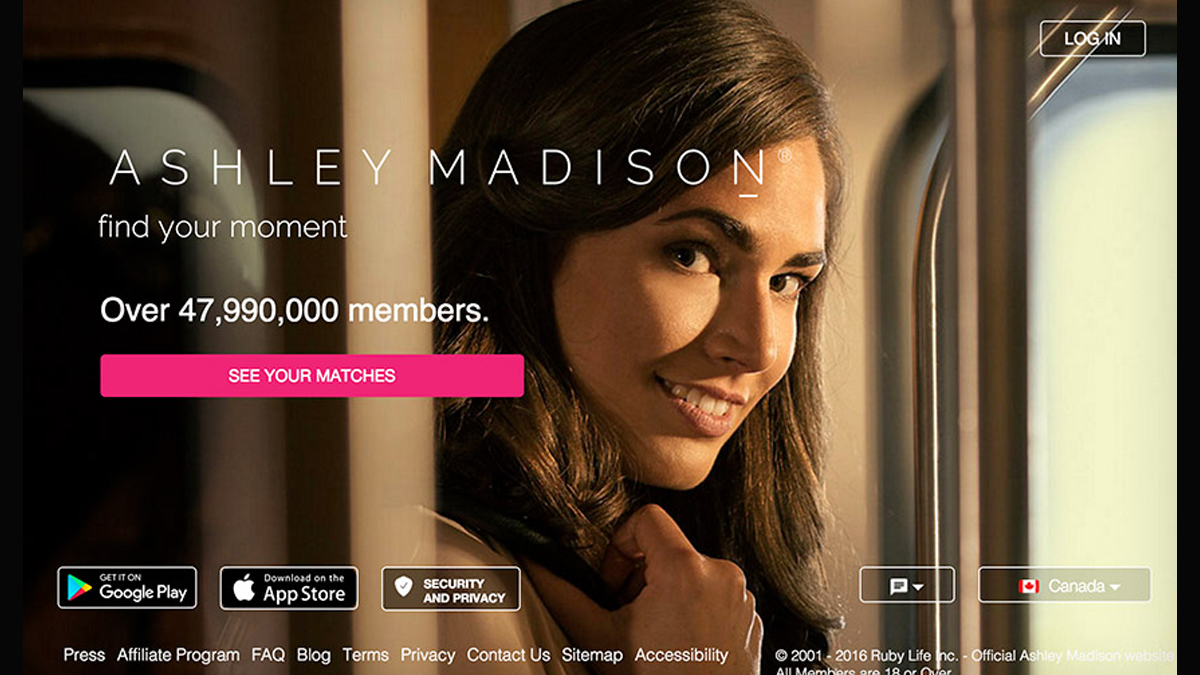
INDIA: Ashley Madison is shedding the “married-dating” label that defined it for two decades, repositioning itself as a platform for discreet dating in what it calls the post-social media age.
The rebrand, unveiled in India on 27 February, 2026, marks a structural shift in business model and identity. Once synonymous with married dating, the company now describes itself as the “premier destination for discreet dating” under a new tagline: Where Desire Meets Discretion.
The pivot is data-driven. Internal figures show that 57 per cent of global sign-ups between 1 January and 31 December, 2025 identified as single: a notable departure from the platform’s married core. The company argues that its community has already evolved beyond its original positioning.
“In an age where our lives have been constantly put on public display, privacy has become the new luxury,” said Ashley Madison chief strategy officer Paul Keable. He framed the platform’s offering as “ethical discretion” for singles, separated, divorced and non-monogamous users seeking private connections.
The shift also taps into wider digital fatigue. A global survey conducted by YouGov for Ashley Madison, covering 13,071 adults across Australia, Brazil, Canada, Germany, India, Italy, Mexico, Spain, Switzerland, the UK and the US, found mounting discomfort with hyper-public online lives.
Among dating app users, 30 per cent cited constant swiping and messaging as a source of fatigue, while 24 per cent pointed to pressure to curate public-facing profiles and early personal disclosure. Some 27 per cent said fears of screenshots or information being shared contributed to exhaustion; an equal share cited unwanted attention.
The retreat from oversharing appears broader. According to the survey, 46 per cent of adults actively try to keep most aspects of their life private online. Only 8 per cent feel comfortable sharing most aspects publicly, while 35 per cent say they are becoming more selective about what they disclose.
Ashley Madison is betting that this cultural recalibration towards controlled visibility can be monetised. By doubling down on privacy infrastructure and reframing itself around discretion rather than infidelity, the company is attempting to convert reputational baggage into a premium proposition.






