iWorld
Animation and VFX company ReDefine expands to Kolkata


Mumbai: Global animation and visual effects company ReDefine has launched its new office in Kolkata, West Bengal. This office will initially be hiring mid to senior-level artists also giving them an option to work from home, the company said.
Launched in 2019, ReDefine provides creative visual effects and animation services focused on expanding international markets as well as independent filmmakers everywhere. It supports studios producing film, television, and animation content.
ReDefine is currently providing VFX services to the upcoming TV series based on the video game “Halo” as well as several Hollywood and Bollywood projects including “Brahmastra,” written and directed by Ayan Mukherjee and starring Amitabh Bachchan, Ranbir Kapoor and Alia Bhatt.

“We are expanding our footprint in the eastern region of India and are very excited about it,” said ReDefine managing director Rohan Desai. “We pride ourselves in our extensive experience and market-leading technology. We have noticed that there is an untapped talent pool in West Bengal that is waiting to be unleashed and trained. As we explore newer geographies, we want to harness this undiscovered talent to bring in new perspectives and dimensions to our services.”
The growing global demand for premium content, resulting majorly from the incredible success of the over-the-top (OTT) media, has caused increased demand from content creators for high-quality VFX and animation services.
“We have worked with some of the most renowned production houses in Hollywood and hope that this office will provide added support and increase the capacity of our future national and international projects.” added Desai.







iWorld
Crocs India ropes in Rakesh Bedi for quirky new digital campaign
Veteran actor brings humour and nostalgia to brand’s latest ‘Crocshake’ film.
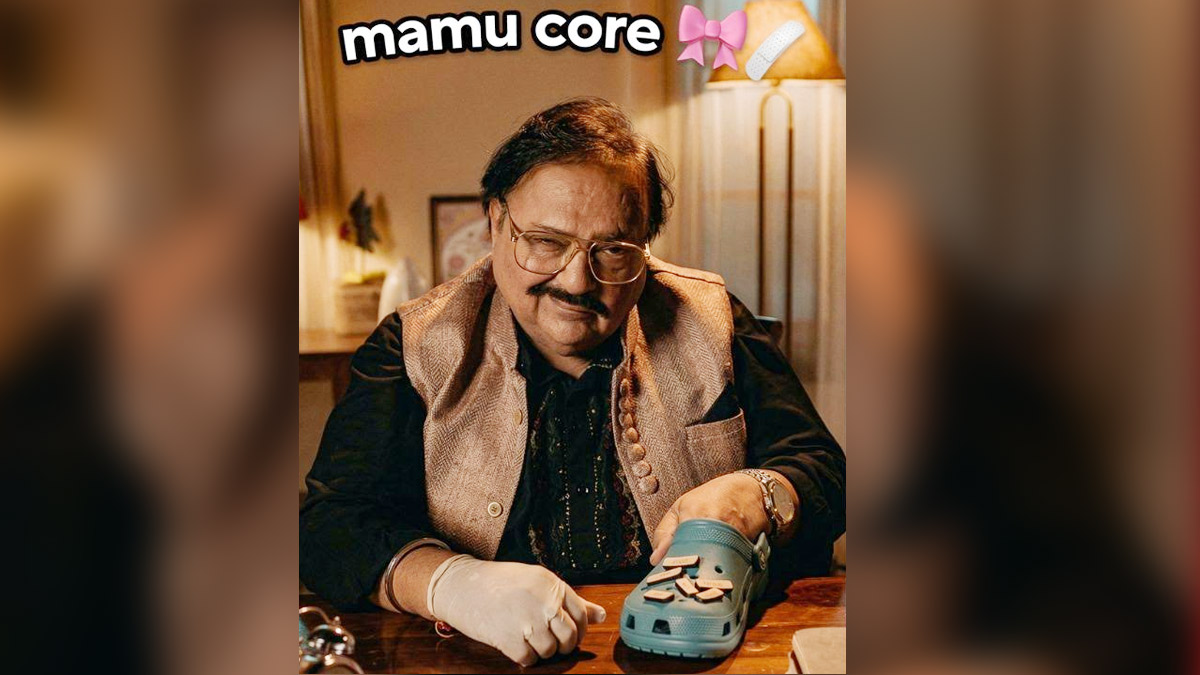
MUMBAI: Crocs has decided to shake things up quite literally by teaming up with veteran actor Rakesh Bedi for its latest digital campaign. The campaign, conceptualised by One Hand Clap, cleverly taps into the current wave of nostalgia and character-led content. It features Rakesh Bedi, who is currently enjoying renewed popularity after Dhurandhar, in a series of increasingly chaotic yet humorous everyday situations.
At the centre of the film is a simple handshake that spirals into a chain of unexpected twists, culminating in the fun “Crocshake.” The light-hearted narrative highlights how ordinary social moments can turn into memorable ones, perfectly aligning with Crocs’ brand ethos of individuality, comfort, and self-expression.
Crocs India country manager Manoj Juneja said the campaign reflects the brand’s desire to stay culturally relevant. “This collaboration with Rakesh Bedi blends humour, nostalgia, and contemporary trends to create content that entertains and sparks conversations,” he noted.
Rakesh Bedi added, “What I loved about this campaign was how naturally the humour came through. It takes a simple, everyday situation and turns it into something completely unexpected. It’s always exciting to be part of something audiences can instantly connect with.”
The campaign builds on Crocs India’s ongoing strategy of creating relatable, digital-first storytelling that resonates with a wide audience while staying true to the brand’s playful personality.
In a crowded footwear market, Crocs continues to stand out by keeping things fun, comfortable, and conversation-worthy proving once again that sometimes all you need is a good shake (or Crocshake) to make your mark.







