Hollywood
Ang Lee to direct ‘Billy Lynn’s Long Halftime Walk’ for TriStar & Studio 8

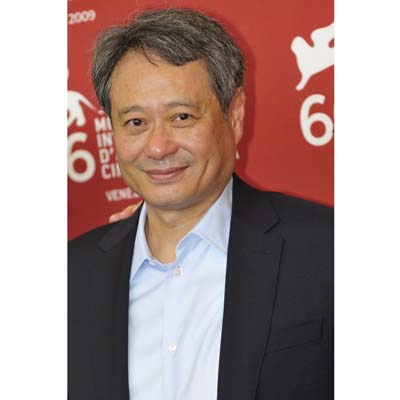
MUMBAI: Jeff Robinov’s Fosun-backed Studio 8, together with Chinese distribution company Bona Film Group, will partner with Tom Rothman’s TriStar and Film4 on the adaptation of Ben Fountain’s acclaimed novel Billy Lynn’s Long Halftime Walk, to be directed by three-time Oscar-winner Ang Lee.
The deal brings together several members of the family of companies at Sony Pictures, which will distribute the film worldwide, except for Greater China, which Bona Film Group Ltd will handle. Film 4 will have UK free television.
The film is now set for start of principal photography in mid-April and casting is underway.
In the film, Bravo Company, and 19-year-old private Billy Lynn, survive a harrowing Iraq battle that is captured by news cameras. They are brought home by the US administration for a promotional tour, culminating at the spectacular halftime show of a Thanksgiving Day football game, all while facing an imminent return to the war. Almost the entire movie takes place during the day of the game, with flashes back to the underlying events and Billy’s heroism.
The film will explore new methods, both technological and artistic, with the goal of further engaging the audience. Lee will use the Sony F65 camera shooting in native 3D, high resolution, and with an ultra-high frame rate to create a different cinematic syntax in service of the story. He envisions creating a new way for audiences to experience drama, including the heightened sensation that soldiers really feel on the battlefield and on the home front.
Rothman said, “Ang is pushing the envelope even beyond what we achieved in Life of Pi. Innovation is key to getting audiences out to cinemas now, but such advances often take a brave village. I have long admired Jeff personally and have great respect for Studio 8 and Bona. It’s a neat fit as we are all in the business of trying to do cool things for Sony, not to mention we park right next to each other.”
Robinov added, “Ang Lee’s vision for this remarkable story is incredibly exciting to all of the partners involved and perfectly captures the types of filmmaker-driven movies we want to make at Studio 8. We are thankful that Tom Rothman included us in this fantastic project and are looking forward to working on this together.”
Bona founder, chairman and CEO Yu Dong said, “Since last year, we’ve been working closely with our strategic partner Fosun to explore their resources in the entertainment industry as we roll out our international strategy to grow a significant presence in Hollywood. Having the opportunity to work on Ang Lee’s next film and being the only partner in China speaks to our strong film production and distribution capabilities, as well as marks a very important first step for Bona to gain international recognition. We look forward to participating in more Hollywood mainstream films while at the same time bringing high-quality foreign films to the domestic market.”
Billy Lynn’s Long Halftime Walk will be produced by Marc Platt, Ink Factory’s Stephen Cornwell, Rhodri Thomas and Simon Cornwell, and Ang Lee. The film is being made in association with Film4, which developed the original draft of the script with Simon Beaufoy. The current screenplay revisions are by Jean-Christophe Castelli.
Studio 8, based in Culver City, California on the SPE lot, is funded in partnership with the Chinese investment management firm Fosun Group and with SPE which will distribute up to six films worldwide annually. Studio 8 has secured 1 billion in financing.