Gaming
Ampverse DMI & Orangutan enter multi-year partnership deal

Mumbai: India’s collegiate esports and gaming IP, College Rivals, owned by Ampverse DMI, has forged a strategic alliance with Orangutan, a leading esports organisation in India. College Rivals, remains committed to offering professional gaming prospects to college students and has awarded its inaugural professional gaming contract to Sahil Nagpal, a student from Jalandhar, Punjab.
He demonstrated his prowess during season one representing the potential and caliber that this College IP aims to tap, cultivate and unearth as part its commitment to foster grassroot esports talents and provide them with a life changing platform and experience Joining Orangutan’s Academy BGMI team, Sahil Nagpal’s achievement not only fulfills his dream of becoming a professional player but also serves as inspiration for millions of others.
While College Rivals will continue to empower college gamers, paving their path towards professional success in season two, the chosen players will also get a shot at playing for Orangutan as part of this strategic multi year partnership.
Ampverse DMI, India country head Ashwin Haryani revealed the importance of the partnership, “Ampverse DMI and Orangutan are embarking on a holistic partnership. They understood the concept of us building a talent hunt and making sure the top winners are given a platform to perform at a national and international stage. Beyond competition, our alliance also aims to enrich the esports ecosystem with an exclusive BGMI Team, a merchandise line and brand presence on the jersey of the team, every time they step out to play.”
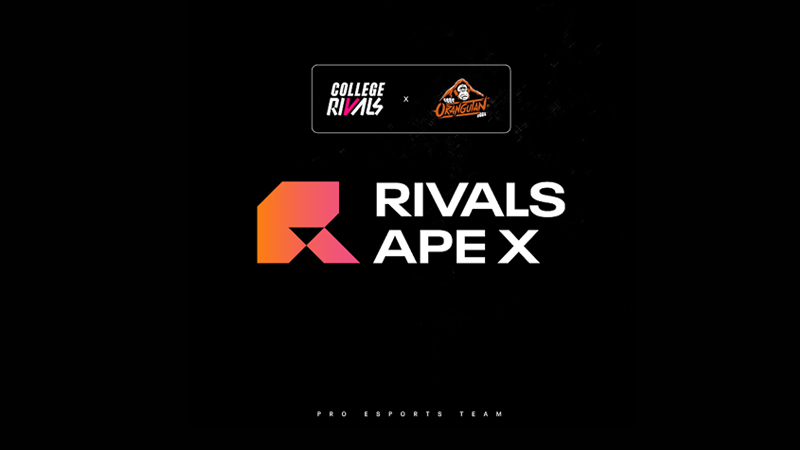
As part of this partnership, Ampverse DMI and Orangutan will jointly co-own Rivals Ape X, a youth team beginning with a BGMI lineup that will include at least one player from every College Rivals season moving forward. Rivals Ape X, featuring some of the nation’s exciting up and coming players will aim to dazzle nationally and internationally in BGMI tournaments.
As part of the selection process, Orangutan had tried out all the eight BGMI College Rivals finalists, from season one through a trial and Sahil was chosen on the basis of his in-game skills, game sense and overall team work.
Orangutan co-founder Jai Shah expressed his enthusiasm about the initiative, “I am incredibly excited to introduce Rivals Ape X, our Academy Esports Team, in collaboration with Ampverse DMI and College Rivals. This collaboration marks a significant step in our mission to nurture and develop young, hungry talent, providing them with a bigger platform to showcase their skills. Together with Ampverse DMI, we aim to create a pathway for the next generation of esports champions and build a community where passion, skill, and ambition can thrive. Together, we’re setting the stage for the future of competitive gaming.”
College Rivals season two will see 50 plus colleges participating across 22 cities in both offline and online competition format. Any college student from pan India can register and compete as the preliminary competitions have already been rolled out from 15 July along with diverse entertainment experiences tailored for college students including opportunities to become college ambassadors, purchase exclusive College Rivals merchandise and other interesting initiatives in a groundbreaking gaming format never seen before in India
The competitions will take place for three gaming titles – BGMI, Valorant, and EA FC 24- with the grand finale being played in February, 2025. The winners from monthly qualifiers will compete in a grand finale for the ultimate battle and a prize pool of up to ₹50,00,000 along with the contract.