iWorld
Amazon Prime Video to globally premiere 9 highly-anticipated movies across 5 Indian languages

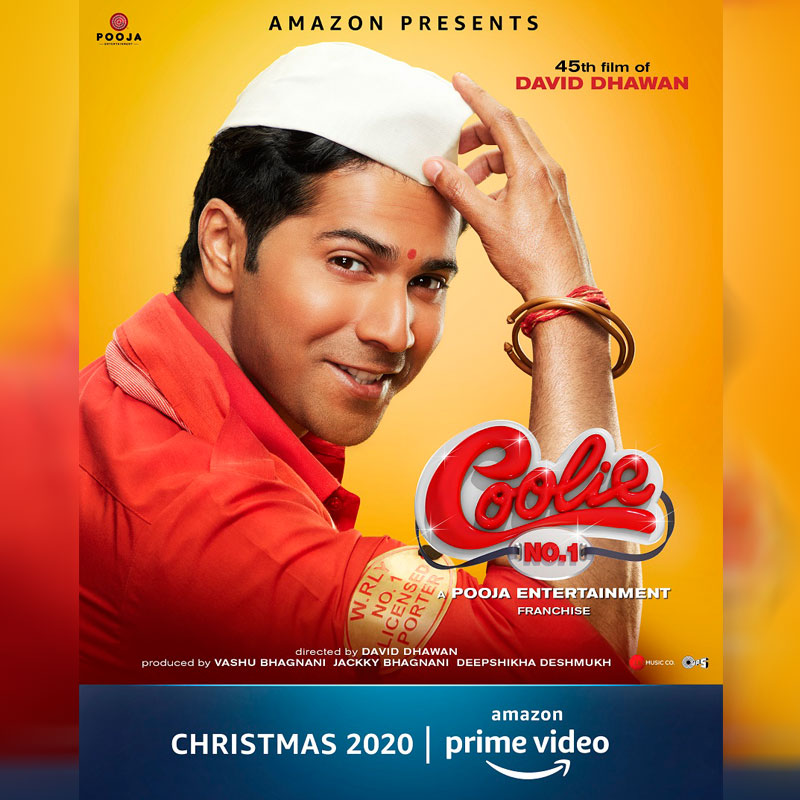
KOLKATA: This festive season is an unusual one when people will mostly be confined to their homes. There are few chances of blockbusters getting released in theatres as the cinema halls will open after six months with limited seating capacity. Amazon Prime Video appears to have its plan laid out to keep users hooked as it is premiering nine movies.
Amazon Prime Video has announced a brand new slate of 9 highly-anticipated movies that will premiere directly on the streaming service. Spanning five Indian languages, the diverse line-up features titles such as Coolie No. 1 starring Varun Dhawan (Judwaa 2, Street Dancer 3D) and Sara Ali Khan (Simmba), Chhalaang starring Rajkummar Rao (Trapped, Stree) and Nushrat Bharucha (Sonu Ke Titu Ki Sweety), Durgavati starring Bhumi Pednekar (Shubh Mangal Savdhaan, Toilet: Ek Prem Katha), Bheema Sena Nala Maharaja (Kannada) starring Aravinnd Iyer, Middle-Class Melodies (Telugu) starring Anand Devarakonda, Maara (Tamil) starring R Madhavan, and Manne Number 13 (Kannada) starring Varsha Bollamma (Bigil), Chetan Gandharva (Melody) along with previously announced Zakariya Mohammed’s Halal Love Story (Malayalam)and Suriya starrer Soorarai Pottru (Tamil). The movies will premiere exclusively on Prime Video within 2020 and will be available in more than 200 countries and territories worldwide.
The new slate follows the successful launch of the first wave of direct-to-service premieres of 10 films across five languages, which led to Amazon Prime Video expanding its footprint in India with viewership for these movies coming from over 4000 cities and towns, across the country. Viewership titles in languages such Tamil, Telugu, Kannada, Malayalam received more than 50 percent viewership from customers outside the home states, with customers from Lucknow, Kolkata, Pune and beyond streaming Penguin, Ponmagal Vandhal, Law, French Biriyani, Sufiyum Sujatayum, CU Soon V and Nishabdham. The movies were also streamed and enjoyed by TV audiences in 180 countries and territories, allowing Indian filmmakers to reach a wider audience through Prime Video’s global presence. Hindi titles Gulabo Sitabo & Shakuntala Devi emerged as the two most watched movies since the launch of Prime Video in India. Gulabo Sitabo and Shakuntala Devi were also the most watched Hindi movie on Prime Video globally!
“Gripping content transcends geographical boundaries. The audience are always on the look-out for great entertainment, and good content will always find an audience. The resounding success of our first wave of direct-to-service movie premieres is a testament to that. This further reinforces our commitment to offering our customers a selection of riveting movies, cinematically produced, across a wide range of genres and languages,” Amazon Prime Video India content head and director Vijay Subramaniam said.
“The disruptive, pioneering format of Direct to Digital movie premieres has, in many ways, been a game changer in the way films are watched in India. Amazon Prime Video is playing a key role of not only expanding the reach & viewership of these films across the country, but also providing global customers across 200+ countries and territories access to world-class films originating from India”, Amazon Prime Video India country general manager and director Gaurav Gandhi said.
“The fact that more than 50 per cent of viewership of our Tamil, Telugu, Kannada, Malayalam Direct to Digital titles came from outside of the respective home states is representative of how digital distribution can expand the audience for great content. We are super excited to present our new slate and are confident that it will delight our customers in India and around the world,” he added.