Applications
AI-Candy at InfoComm India as tech fair powers up with 200 exhibitors


MUMBAI: AI-Candy anyone? Infocomm India 2025 is serving up a feast of future-tech with more sparkle than a Diwali display. From 9 to 11 September, the exhibition floor at Mumbai’s Jio World Convention Centre will be jam-packed with 200 leading companies from 11 countries, 39 debutants and more than 130 brand-new product launches. Jasmine Hall on Level 3 has tripled in size this year, hosting 40-plus exhibitors proof that innovation here isn’t just growing, it’s multiplying. Names like ET, Beenext, BXB, Extron, Hubris, Infonics, Silicon Radio House, Televic and Qizar promise to make the aisles a playground of invention.
The big buzzword this year? AI and it’s not hiding in the shadows. Bosch is showing off DSP amplifiers with smart automation, Dvsi is debuting an AI-powered AV management system, and IActive Technology is unveiling interactive panels with real-time task automation. Korbyt’s AI Suite for personalised signage, Modern Stage Service’s AI video generator, and Qizar’s auto-tracking camera add to the sci-fi sheen, while X-Ten AV claims an industry first with its AI agent streamlining proposals, reports and project management. Even meetings are getting a glow-up, with Wildcard Tech’s Yealink bar promising AI-driven sound and focus. For those counting, that’s just a taste Lumens, Datavideo, Technoclass Edtech, Sennheiser and Stapes India are also bringing their AI-fuelled toys.
Beyond the booths, the organisers are dialling up the drama. Harman, Jabra and Silicon Radio House will run private demo rooms, while Avixia’s global Xchange community lands in India for the first time with live discussions for women leaders, rising professionals and AV-IT enthusiasts. Day 3 sees a hands-on AVoIP skills workshop, while a fully booked Avixia Cts training session before the show underscores India’s growing AV appetite. The Summit will field 50-plus speakers across 60 sessions, with the opening panel cheekily titled “Reimagining Boundaries: The Future of Business & Technology in 2030.” Add in hidden gems like a sector-specific tour on smart workplaces and classrooms, a regional mixer on 10 September, and a welcome networking bash, and you have a tech carnival that’s equal parts brains, buzz and business. As Infocommasia, executive director June Ko summed it up: “India’s Pro AV market is not just growing; it’s innovating at an incredible pace.”





Applications
With 57 per cent single new users, Ashley Madison rebrands as discreet dating platform
Platform says majority of new members now identify as single

INDIA: Ashley Madison is shedding the “married-dating” label that defined it for two decades, repositioning itself as a platform for discreet dating in what it calls the post-social media age.
The rebrand, unveiled in India on 27 February, 2026, marks a structural shift in business model and identity. Once synonymous with married dating, the company now describes itself as the “premier destination for discreet dating” under a new tagline: Where Desire Meets Discretion.
The pivot is data-driven. Internal figures show that 57 per cent of global sign-ups between 1 January and 31 December, 2025 identified as single: a notable departure from the platform’s married core. The company argues that its community has already evolved beyond its original positioning.
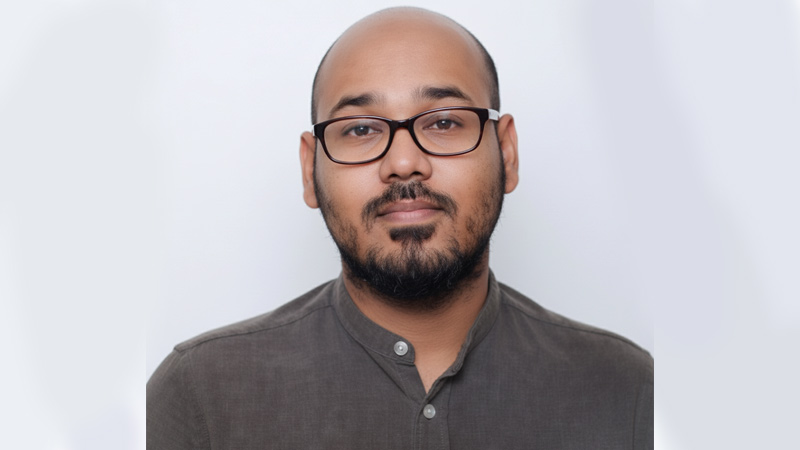
“In an age where our lives have been constantly put on public display, privacy has become the new luxury,” said Ashley Madison chief strategy officer Paul Keable. He framed the platform’s offering as “ethical discretion” for singles, separated, divorced and non-monogamous users seeking private connections.
The shift also taps into wider digital fatigue. A global survey conducted by YouGov for Ashley Madison, covering 13,071 adults across Australia, Brazil, Canada, Germany, India, Italy, Mexico, Spain, Switzerland, the UK and the US, found mounting discomfort with hyper-public online lives.
Among dating app users, 30 per cent cited constant swiping and messaging as a source of fatigue, while 24 per cent pointed to pressure to curate public-facing profiles and early personal disclosure. Some 27 per cent said fears of screenshots or information being shared contributed to exhaustion; an equal share cited unwanted attention.
The retreat from oversharing appears broader. According to the survey, 46 per cent of adults actively try to keep most aspects of their life private online. Only 8 per cent feel comfortable sharing most aspects publicly, while 35 per cent say they are becoming more selective about what they disclose.
Ashley Madison is betting that this cultural recalibration towards controlled visibility can be monetised. By doubling down on privacy infrastructure and reframing itself around discretion rather than infidelity, the company is attempting to convert reputational baggage into a premium proposition.







