High Court
Ad cap case put off to 13 May, court to hear plea challenging stay order

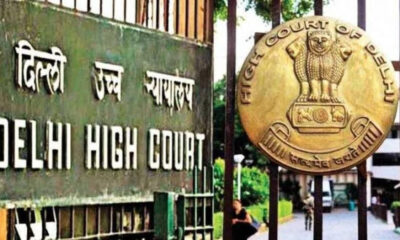
NEW DELHI: The ad cap case by television channels continues to linger on, with the Delhi High Court once again putting off the hearing to 13 May when it will hear an application by intervenor Home Cable Network Pvt Ltd seeking vacation of the order staying action against violating television channels.
The matter was put off by chief justice G Rohini and justice Jayant Nath as they did not have time to hear the matter in view of urgent cases. In the last hearing on 29 March, a plea was made on behalf of the Information and Broadcasting ministry that a proposal was being contemplated to amend the relevant provision relating to limiting ads to 12 minutes an hour.
However counsel Vivek Sarin of Home Cable counsel pressed for early hearing of his application for vacation of stay. Thereupon, counsel for Discovery Communications said it wanted to press its application to come in as intervenor. The court had on 11 February adjourned the hearing to today when it had agreed to take up the application by Discovery Communications to intervene on the matter.
Earlier on 27 November last year, the court chaired by the chief justice had said the matter had been pending for some time and therefore it would hear and conclude the case in the next hearing. On that day, the I and B Ministry had informed the Court that it was in talks with the News Broadcasters Association and other stakeholders on the issue of the advertising cap of 12 minutes per hour. This was the first time that the ministry had put in an appearance in the petition filed by the News Broadcasters and others against the Telecom Regulatory Authority of India and others.
Home Cable Network Pvt. Ltd had been permitted to intervene on 5 January and the Court had agreed to consider contentions on whether pay channels should be permitted to carry commercials in view of subscription fee charged by them. Home Cable Counsel Vivek Sarin had told the court that the petitioners had not disclosed that broadcasters had given their consent to observe the 10+2 ad cap rule under the Cable Television Network Regulation Rules 1994 and the Act that followed a year later and also under the Uplink and Downlink Guidelines. He also said pay TV broadcasters should not be allowed to take ads as they charged subscription fee.
The case, filed by News Broadcasters Association and others against the Telecom Regulatory Authority of India and the Union Government, has so far been adjourned from time to time on the plea that the government and the broadcasters are in talks on this issue.
The court has already directed that the order that TRAI would not take any action against any channel pending the petition would continue. In an earlier hearing, the court had, at the regulator’s instance, directed that all channels keep a record of the advertisements run by them.
The NBA had challenged the ad cap rule, contending that TRAI does not have jurisdiction to regulate commercial airtime on television channels. Apart from the NBA, the petitions have been filed by Sarthak Entertainment, Pioneer Channel Factory, E24 Glamoru, Sun TV Network, TV Vision, B4U Broadband, 9X Media, Kalaignar, Celebrities Management, Eanadu Television and Raj Television.
Meanwhille, complaints against fifteen broadcasters by TRAI on the ad cap issue are also pending with the chief metropolitan magistrate in Delhi.