News Broadcasting
ABU uses BroadcastAsia as venue for workshop on audio heritage protection

MUMBAI: At a workshop held at last month’s BroadcastAsia 2004, techniques of protecting and restoring audio heritage material in the region were discussed by three experts.
These material exist with many broadcasters in the region in media such as old shellac discs, phonographic records, audio tapes and optical carriers, which have suffered damage due to ageing, poor storage conditions and bad handling.
The speakers discussed techniques of cleaning and restoring these disks, tapes and CDs. It is estimated that there are 300,000 cylinders, 10 million shellac discs, 4 million instantaneous discs and 25 million vinyl discs, and around 100 million hours of audio on tapes in existence.

The transfer of audio material from these formats is time consuming (estimates three times the duration of the material) and needs to be done at the best possible quality. CDs, though commonly believed to be robust, are not free from damage due to mishandling and poor storage conditions. One message that was conveyed at the session was that transfer technologies may improve over time, so Keep The Originals wherever possible.
In adtion there was a demonstration of electronic audio restoration using specialised equipment. The equipment used was Cedar from UK. It was impressive how well old audio material with a lot of noise, clicks and crackles was cleaned in real time. Specifically, an audio recording transferred from a broken record (but pasted together to recover audio) was cleaned removing the thumps that was produced when the stylus went over the join.
One message that came from this session was that material should be archived without being passed through any such digital restoration processes. Restoration technologies are constantly being improved and developed so that future restoration will need audio in the original state to achieve the best possible result. Digital restoration is recommended for restoring material for immediate use.






News Broadcasting
CNN-News18 to host Fury in the Gulf conclave on West Asia crisis
Three-hour summit to unpack geopolitical fallout and impact on India
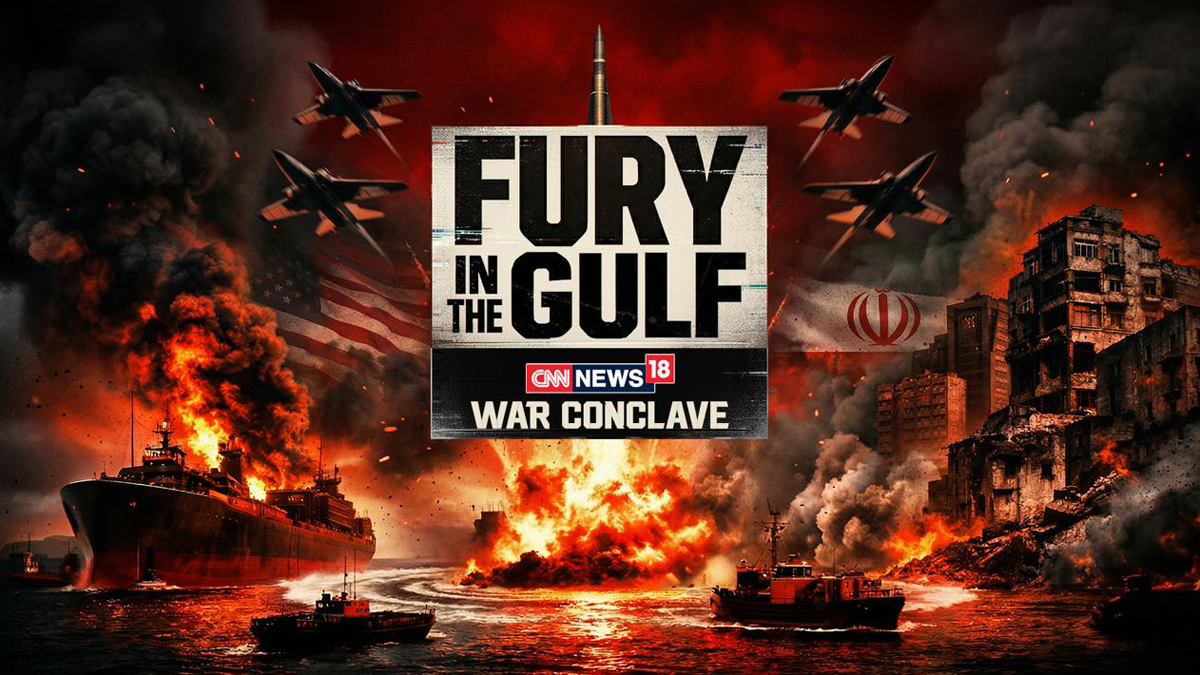
MUMBAI: CNN-News18 is set to host a special three-hour broadcast, Fury in the Gulf – War Conclave, on April 7, aiming to decode the escalating West Asia crisis and its far-reaching implications for India.
Scheduled from 4:00 PM to 7:00 PM, the conclave comes at a time when tensions between Iran and the United States are reshaping global geopolitics and triggering economic uncertainty. With India’s deep energy ties, trade links and large diaspora in the Gulf, the developments carry significant domestic relevance.
Built around the theme ‘Conflict, Consequences, and The Future,’ the programme will feature six curated sessions combining one-on-one interviews and panel discussions. The focus is to cut through the clutter and offer viewers a clearer understanding of the fast-evolving situation.
Key sessions include ‘Diplomacy in Times of War’ featuring Shashi Tharoor, and ‘World After the Iran Conflict’ with voices such as Ram Madhav, Reuven Azar, representatives from the European Union and the Iranian Deputy Envoy. Another session titled ‘Another Dunkirk?’ will bring together K. J. S. Dhillon and Jitin Prasada among others.
CNN-News18 editorial affairs director Rahul Shivshankar said, “In times of war, clarity becomes the most powerful tool. Fury in the Gulf – War Conclave brings together credible voices to address the questions and confusion that arise amid an overwhelming influx of information.”
He added that the initiative is aimed at delivering “facts, perspective, and insight” at a time when misinformation can easily cloud public understanding.
Echoing the sentiment, CNN-News18 CEO– English and business news Smriti Mehra said the conflict marks a defining global moment, with consequences that extend well beyond the region. She noted that the conclave seeks to present the crisis with “depth, nuance and responsibility” so audiences can better grasp its real-world impact.
As geopolitical tensions continue to dominate headlines, the conclave positions itself as an attempt to bring order to the noise, offering viewers a structured, insight-led look at a complex and rapidly shifting global situation.






