I&B Ministry
76% listen to FM radio using mobiles: Study

MUMBAI: Seventy six per cent of people now listen to FM radio using their mobile phones, AZ research has shown. AZ Research Partners, a market research player in South East Asia, conducted a comprehensive survey to study current trends in FM Radio Listenership across India. Parameters for study included listenership, frequency, mediums, drivers and motivators, preferences and recall amongst others. Some of the key findings are included below.
·Representation: According to the study, respondents were asked about the radio station they thought represented the essence of their city best. Radio City topped the charts in Bangalore, Mumbai, Delhi and Pune while Suryan FM came out in front in Chennai and Radio Mirchi in Hyderabad. The cultural essence of the city was measured using parameters like local flavor, local preferences with locally popular activations and programs.
·Consumption patterns: With regards to the place and medium of radio consumption, the study found that a whopping 76 per cent of consumers accessed FM Radio through their mobile phones while an average of 22.5 per cent of them listened to the radio while driving. Another 36 per cent used the radio at home. With mobile phone penetration growing in rural India, radio as a medium of mass communication is now reaching the remotest corners of the country via the mobile phone.

·Listener Preferences: The study identified a set of drivers that motivated listeners to listen to one particular type of radio channel. These motivators were centered on four parameters including the image of the radio station, the kind of programs it aired, the kind of music it played and the Radio Jockey who hosted these activations. It is seen that while 100 per cent of respondents considered good music as a motivator, only 50% felt the image of the station and RJs impacted their listening patterns. A whopping 83% of respondents thought that the quality of programs aired highly impacted their frequency of listening on a particular station.
·Listenership: In terms of listenership, the study concluded that Radio City topped the list with a listenership of 5.2 crore followed by Radio Mirchi and Big FM with 4 crore and 2.6 crore respectively.
·Most popular Radio Jockeys: Based on overall recall and approval ratings, popularity of Radio Jockeys are ranked as below:
|
City |
1 |
2 |
3 |
|---|---|---|---|
|
Hyderabad |
Love Guru – Radio City |
Bharghav – Radio Mirchi |
Chaitu – Red FM |
|
Delhi |
Sayema – Radio Mirchi |
Annu Kapoor – Big FM |
Love Guru – Radio City |
|
Bangalore |
Love Guru – Radio City |
Rashmi – Big FM |
Didha – Red FM |
|
Chennai |
Love Guru – Radio City |
SHakthi – Radio City |
Munna – Radio City |
|
Mumbai |
Archana – Radio City |
Salil – Radio City |
Jeetury – Radio Mirchi |
|
Pune |
Shonali – Radio City |
Bandya– Radio City |
Filmy Chokri RJ Aparna – Radio City |
Methodology: The survey was conducted among a sizable portion of the population across 23 cities including male and female participating above the age of 12. The report documents factors like most popular radio channel based on listenership, drivers for listening behaviour and preferences, perception of these channels among listeners, top-of-the-mind recall of channel names, programs, jingles and names of radio jockeys (RJ). Additionally, it also compares radio listenership against other mass mediums of communication like print and television. It covers 23 cities including Jaipur, Nagpur, Bangalore, Mumbai, Delhi, Bareilly, Varanasi, Gorakhpur, Agra, Pune, Ranchi, Chennai, Hyderabad, Coimbatore, Vizag, Surat, Vadodara, Ahmedabad, Hisar, Jalandhar, Karnal, Lucknow and Ahmednagar with over 7000 respondents across cities.







I&B Ministry
India tightens anti-piracy law, blocks sites and Telegram channels
New rules bring jail terms, fines and faster takedowns of illegal content
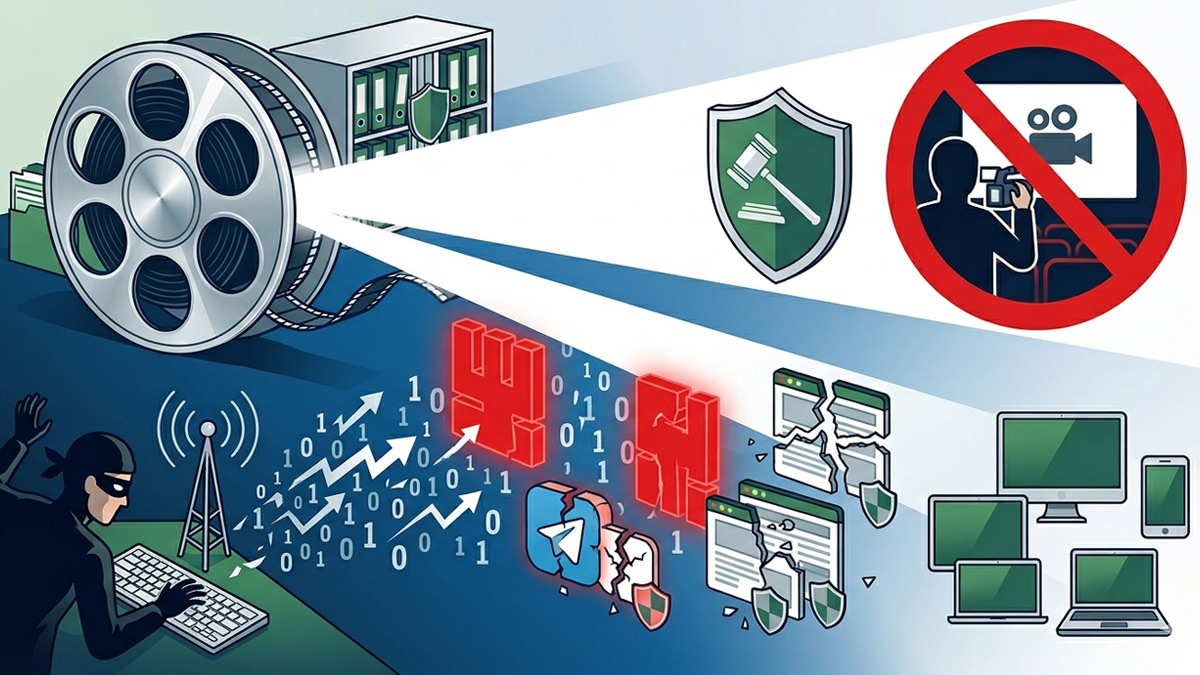
NEW DELHI: The Government of India has stepped up its fight against film piracy, invoking stricter provisions under the Cinematograph Amendment Act 2023 to crack down on unauthorised recording and distribution.
The law now imposes tougher penalties, including jail terms ranging from three months to three years and fines starting at Rs. 3 lakh, which can go up to 5 per cent of a film’s production cost. The provisions target both illegal recording in cinemas and unauthorised online transmission.
In a fresh enforcement push, authorities have notified the Telegram platform to act against piracy, leading to the identification of 3,142 channels allegedly distributing copyrighted content without permission. In parallel, access to around 800 piracy websites has been blocked through internet service providers.
The action has been taken under the Information Technology Act 2000, which empowers the government to direct intermediaries to remove unlawful content. The framework is further reinforced by the Information Technology Rules 2021, requiring platforms to act swiftly when notified of violations.
An institutional mechanism is also in place, allowing copyright holders and authorised representatives to file complaints through designated nodal officers. Once verified, these complaints trigger takedown notices to intermediaries for disabling access to infringing content.
The update was shared in Parliament by Government of India minister of state information and broadcasting l murugan in response to a query from Parimal Nathwani.
The government’s latest move signals a sharper, more coordinated approach to tackling piracy across both physical and digital channels. For the film industry, it is a step towards protecting revenues, while for viewers, it reinforces the shift towards legitimate content consumption.








