Applications
69% Indians feel SMS is an easier way to express than in person: Ipsos Study


MUMBAI: Seven in ten (69 per cent) Indians admit they say things in that they would not say voice-to-voice or person-to-person; compared to 43 per cent globally, finds a new poll conducted by Ipsos OTX – the global innovation center for Ipsos.
“Text or Email is comparatively an impersonal medium and people feel less hesitant to speak their mind. Perhaps that is the reason why majority of Indian would rather avoid saying things in person or over phone,” said Ipsos – head marketing communication Biswarup Banerjee.
 |
|---|
“For example people prefer to share sensitive comments like – “I love you.” “Our relationship is over.” “You are fired.” “I failed in exam.” in writing rather than saying over the phone or face-to-face to avoid embarrassment when they are physically involved,” added Banerjee.
Demographically in India, age appears to be the most significant variable as those under the age of 35 (75 per cent) are considerably more likely than those aged 35-49 (67 per cent) and those 50-64 (52 per cent) to text/email things they won’t say out loud. Education is also a significant factor as seven in ten (69 per cent) of those with a high level of education say they do so compared with 100 per cent among those with low education. Both Indian women (70 per cent) and men (68 per cent) feel more comfortable texting or emailing sensitive subject rather than voicing it out.

Strong majorities in China (90 per cent) and South Korea (80 per cent) say they text or email things they would not say over the phone or in person. Seven in ten of those in Indonesia (76 per cent), India (69 per cent) and Saudi Arabia (67 per cent) say so. Following next are Turkey (58 per cent), Brazil (48 per cent), Japan (46 per cent), South Africa (45 per cent), Argentina (42 per cent), Mexico (42 per cent) and Russia (39 per cent). Only three in ten or less in most of the countries surveyed say they reserve some communication for text or email: Canada (34 per cent), Australia (33 per cent), France (33 per cent), Great Britain (32 per cent), Poland (32 per cent), Belgium (31 per cent), Italy (31 per cent), United States (30 per cent), Germany (25 per cent), Hungary (24 per cent), Spain (24 per cent), Norway (22 per cent) and Sweden (22 per cent).
Ipsos conducted this study among 18,502 adults in 25 countries in the month of August.




Applications
With 57 per cent single new users, Ashley Madison rebrands as discreet dating platform
Platform says majority of new members now identify as single
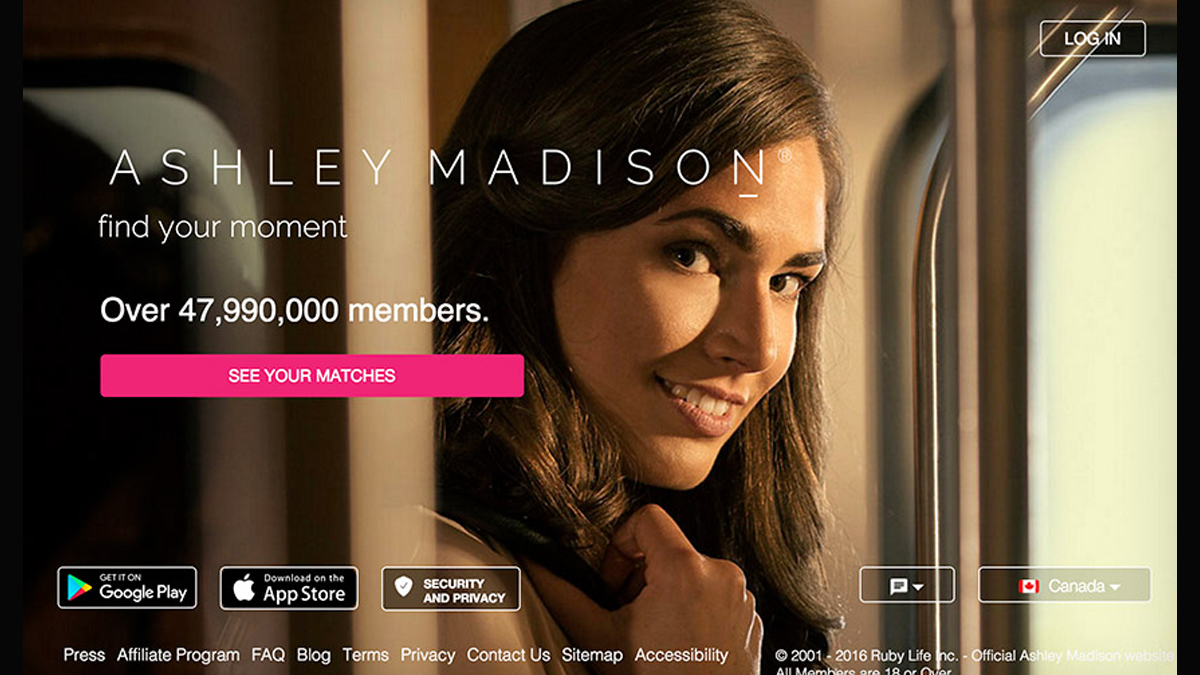
INDIA: Ashley Madison is shedding the “married-dating” label that defined it for two decades, repositioning itself as a platform for discreet dating in what it calls the post-social media age.
The rebrand, unveiled in India on 27 February, 2026, marks a structural shift in business model and identity. Once synonymous with married dating, the company now describes itself as the “premier destination for discreet dating” under a new tagline: Where Desire Meets Discretion.
The pivot is data-driven. Internal figures show that 57 per cent of global sign-ups between 1 January and 31 December, 2025 identified as single: a notable departure from the platform’s married core. The company argues that its community has already evolved beyond its original positioning.
“In an age where our lives have been constantly put on public display, privacy has become the new luxury,” said Ashley Madison chief strategy officer Paul Keable. He framed the platform’s offering as “ethical discretion” for singles, separated, divorced and non-monogamous users seeking private connections.
The shift also taps into wider digital fatigue. A global survey conducted by YouGov for Ashley Madison, covering 13,071 adults across Australia, Brazil, Canada, Germany, India, Italy, Mexico, Spain, Switzerland, the UK and the US, found mounting discomfort with hyper-public online lives.
Among dating app users, 30 per cent cited constant swiping and messaging as a source of fatigue, while 24 per cent pointed to pressure to curate public-facing profiles and early personal disclosure. Some 27 per cent said fears of screenshots or information being shared contributed to exhaustion; an equal share cited unwanted attention.
The retreat from oversharing appears broader. According to the survey, 46 per cent of adults actively try to keep most aspects of their life private online. Only 8 per cent feel comfortable sharing most aspects publicly, while 35 per cent say they are becoming more selective about what they disclose.
Ashley Madison is betting that this cultural recalibration towards controlled visibility can be monetised. By doubling down on privacy infrastructure and reframing itself around discretion rather than infidelity, the company is attempting to convert reputational baggage into a premium proposition.